Starting point: why this comparison matters
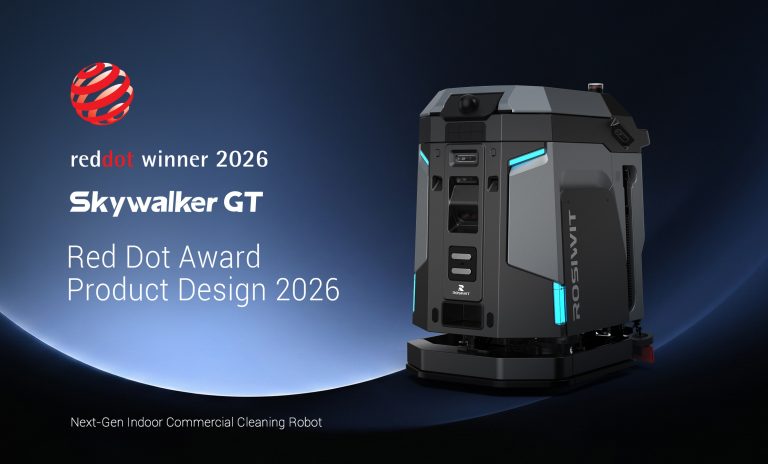
Facilities managers used to grade cleaners by stamina and late-shift grit. Now they grade by uptime and square meters per hour, and that’s why the rise of the industrial cleaning robot matters. This is a comparative take—manual crews, basic scrubbers, and true autonomous scrubbers—measured against the same realities: labor cost, consistency, and simple durability. Expect talk of autonomous navigation and practical trade-offs, not vaporware claims.
Three contenders on the floor
Manual cleaning: low capital cost, high variability. Janitorial staff can handle corners and judgment calls, but performance shifts with fatigue and turnover.
Basic mechanized scrubbers: faster than mops, cheaper than robots. These machines increase throughput but still require skilled operators and supervision.
Autonomous scrubbers: steady, scheduled, and programmable. Modern units use SLAM and LiDAR to map spaces and avoid obstacles, which cuts rework and improves coverage. They scale well in airports, warehouses, and big retailers where repeated, predictable paths are the rule.
Head-to-head metrics that actually matter
Compare these metrics rather than marketing buzz: cleaned area per hour (m²/h), mean time between interventions (minutes until human help is needed), and total cost of ownership over three years. Autonomous scrubbers often win on consistency and labor substitution; mechanized scrubbers win on simple ROI for medium-sized sites; manual crews still win for irregular, detail-heavy spaces.
Why context changes the winner
Warehouse automation offers a real-world anchor here: Amazon’s early move with Kiva robots after 2012 showed how robotics can reshape operations where repetition dominates. The same logic applies to floors—if your facility runs predictable routes, an automatic floor cleaner industrial can convert labor hours to scheduled machine cycles with less oversight. In mixed or cluttered environments, human flexibility retains value.
Common mistakes facilities make — and how to avoid them
Overbuying: purchasing top-spec autonomous units for small stores is wasteful. Underestimating integration: failing to plan charging docks, maintenance schedules, and storage undermines uptime. Training gap: not training staff to perform routine checks increases downtime—train them to change brushes, empty tanks, and spot-clean sensors.
—A small human habit: crews sometimes resist machines that appear to replace jobs. Address that by retraining staff into maintenance and quality roles; it keeps morale and coverage intact.
Alternatives and quick brand notes
If you want cheaper automation, consider retrofitting ride-on scrubbers with telematics. If you need full autonomy in large open spaces, the Titan-810 line is a contender because it balances sensor arrays and battery runtime. For narrow retail aisles, compact scrubbers and hybrid human+robot schedules often beat full autonomy. Always match machine footprint, brush type, and battery cycle to floor finish and shift patterns.
Selection checklist: what to test before buying
On-site demo: validate path planning and obstacle recovery in peak hours. Battery runtime: confirm real-world cycle, not lab numbers. Service network: verify local parts and field techs for quick turnaround. Pay attention to cleaning head compatibility with your floor finish; wrong heads raise maintenance costs and damage surfaces.
Three golden rules for choosing floor automation
1. Measure current output in m²/h and pick a machine that raises it without doubling maintenance complexity. 2. Match autonomy level to environment—full SLAM-based robots in predictable spaces, operator-guided machines where variability is high. 3. Factor human roles: schedule training and preventive checks so machines reduce headaches rather than create them.
Closing thought
Comparing options reveals a simple truth: robots don’t replace judgment; they replace repetition. For facilities ready to trade predictable cleaning cycles for uptime and measurable labor savings, the right machine becomes a team member—not a gimmick. Integrate wisely, test on-site, and you’ll see tangible gains that justify the price. Rosiwit — practical machines, sensible support, cleaner floors. —