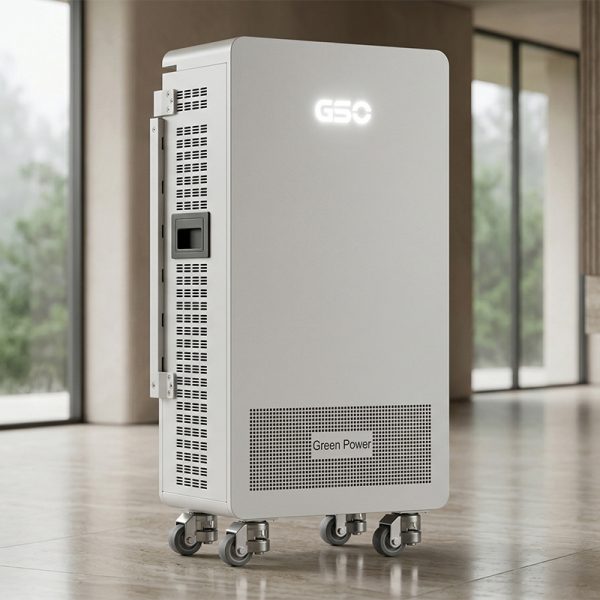
Comparative Premise
In a direct comparison of home backup solutions, the quiet science behind charge curves often decides which system endures through long outages. Consider an integrated stack where battery, inverter, and controller speak one protocol — a neat argument for all in one storage and a sensible route for many households that seek lower installation friction. For rooftop systems tied to local resilience programs, a tidy solar all in one package simplifies commissioning and reduces interface bugs. The comparison that follows weighs voltage threshold tuning, delta‑V behavior, and system architecture against lifetime, reliability, and user operability.
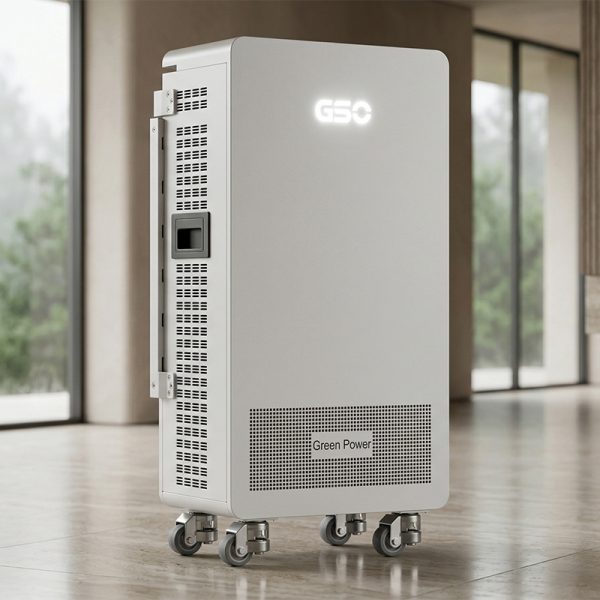
Why Voltage Threshold and Delta‑V Matter
Voltage threshold determines when a battery accepts or rejects charge; delta‑V, the small change in cell voltage at end‑of‑charge, signals completion in certain chemistries. A programmable battery management system (BMS) must read both with precision. Mis-set thresholds shorten usable cycles; misread delta‑V hides imbalance. For lithium iron phosphate (LiFePO4) banks, flat voltage curves make delta‑V detection subtle, so cycle counting and state-of-charge algorithms take on extra weight. The practical outcome: correct thresholds and delta‑V calibration preserve depth of discharge (DoD) and extend calendar life.
Comparing Architectures: Integrated Versus Modular
Integrated designs bundle the inverter, charge controller, and BMS into one chassis. Modules separate those roles. Integrated units reduce wiring complexity and offer unified firmware updates — attractive when installers prefer one vendor warranty. Modular setups, however, allow targeted upgrades: swap a failed inverter without touching batteries. Front‑end experience matters here; a clear UI and stable firmware cut field troubleshooting time, especially when a home has legacy panels. Considerations: inverter rating vs peak load, charge‑controller algorithm, and whether the BMS exposes voltage threshold and delta‑V logs for diagnostics.
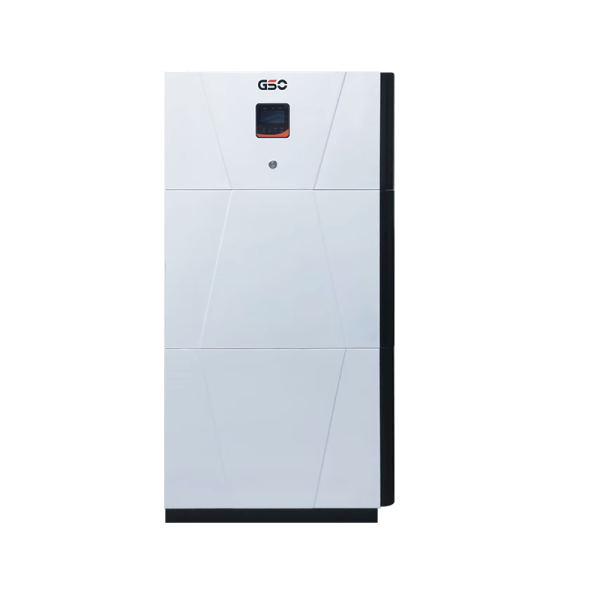
Pitfalls and Common Mistakes
Owners and technicians often err by prioritizing raw capacity over controllability. They buy larger amp‑hours but neglect BMS programmability — then watch premature degradation. Another common mistake is relying solely on delta‑V for state‑of‑charge on chemistries that don’t exhibit a sharp end‑of‑charge notch; the result is truncated cycles and hidden imbalance. Also, mismatched inverter sizing creates repeated shallow cycles that stress cells. A pragmatic rule: test thresholds in situ and log behavior after three real discharge events — you learn more from measured response than from datasheets. — Small calibrations now mean years reclaimed later.
Real‑World Anchor: Lessons from Grid Interruptions
When public safety power shutoffs in California forced homes offline, the difference between a system that stayed steady and one that faltered boiled down to software and settings as much as chemistry. Utilities and agencies have since encouraged paired solar and storage units that can island reliably for multiple days. Field reports from those events confirm that systems with adjustable voltage thresholds and visible delta‑V telemetry returned greater uptime. That body of experience serves as a practical validation for choosing systems that allow field tuning rather than sealed, opaque units.
Alternatives and Practical Tradeoffs
For buyers weighing options: choose an integrated unit when rapid deployment and fewer contractors are priorities. Pick modular if you foresee phased expansion or desire component-level servicing. If LiFePO4 is standard for its cycle life, ensure the BMS supports cell balancing and voltage threshold adjustments. If lead‑acid remains on the table for budget reasons, expect steeper maintenance and tighter DoD discipline. Each path has measurable tradeoffs — capacity per dollar, lifetime cycles, and firmware transparency chief among them.
Advisory Close: Three Golden Metrics
1) Programmable Voltage Threshold Margin — ensure the BMS permits ±50–100 mV adjustments per string and exposes logs. That margin protects cells from chronic overcharge or deep discharge. 2) Delta‑V Visibility and Calibration — choose systems that provide delta‑V or equivalent end‑of‑charge markers and allow threshold tuning for the chosen chemistry. 3) Usable Capacity, Cycle Warranty, and Inverter Match — verify rated DoD, cycle warranty at that DoD, and that inverter continuous rating exceeds expected household load by 20–30 percent to avoid repeated stress.
Trust measured performance more than glossy specs; measured behavior during real outages tells the true story. gsopower. A measured choice.