Opening the problem: indoor air and backyard water features are linked
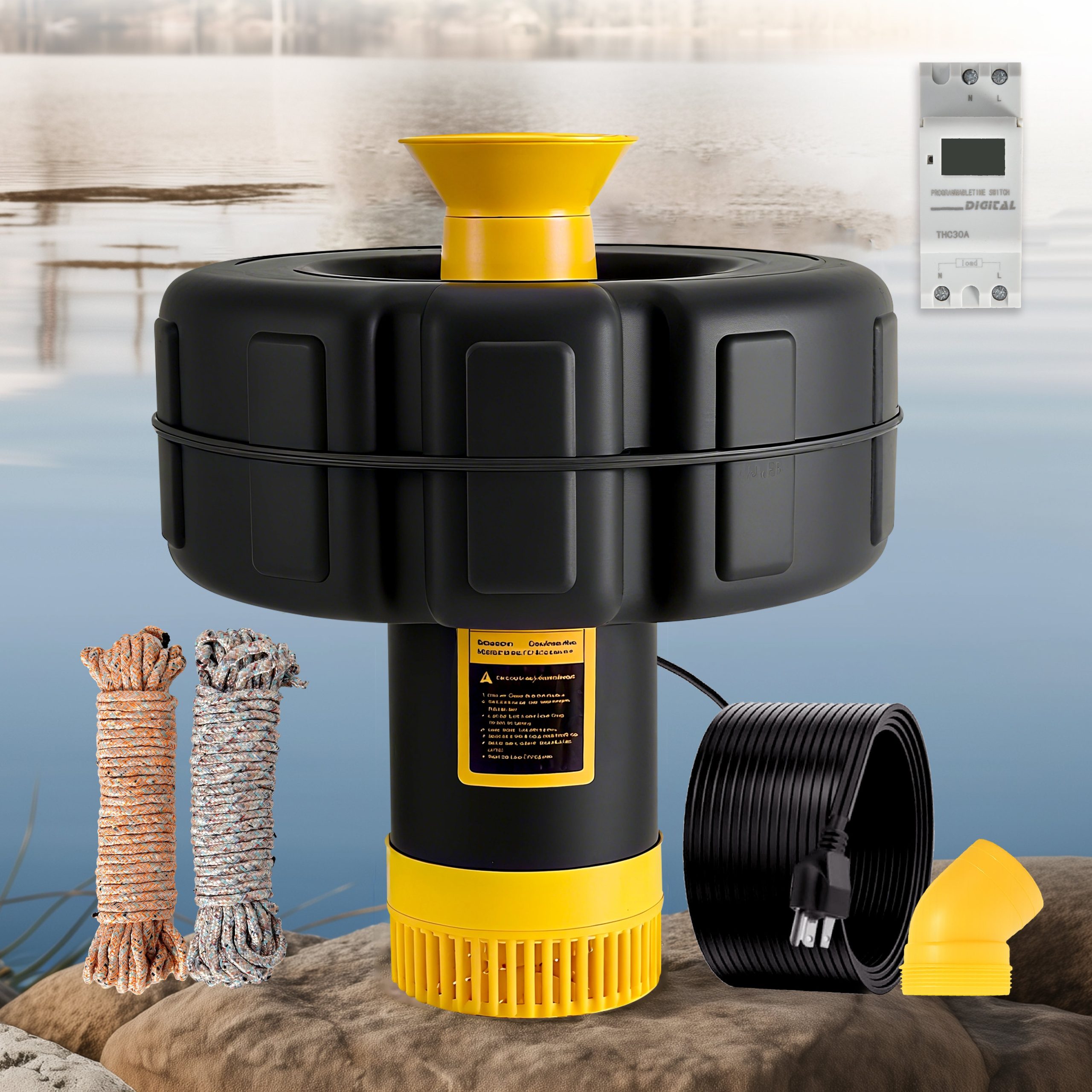
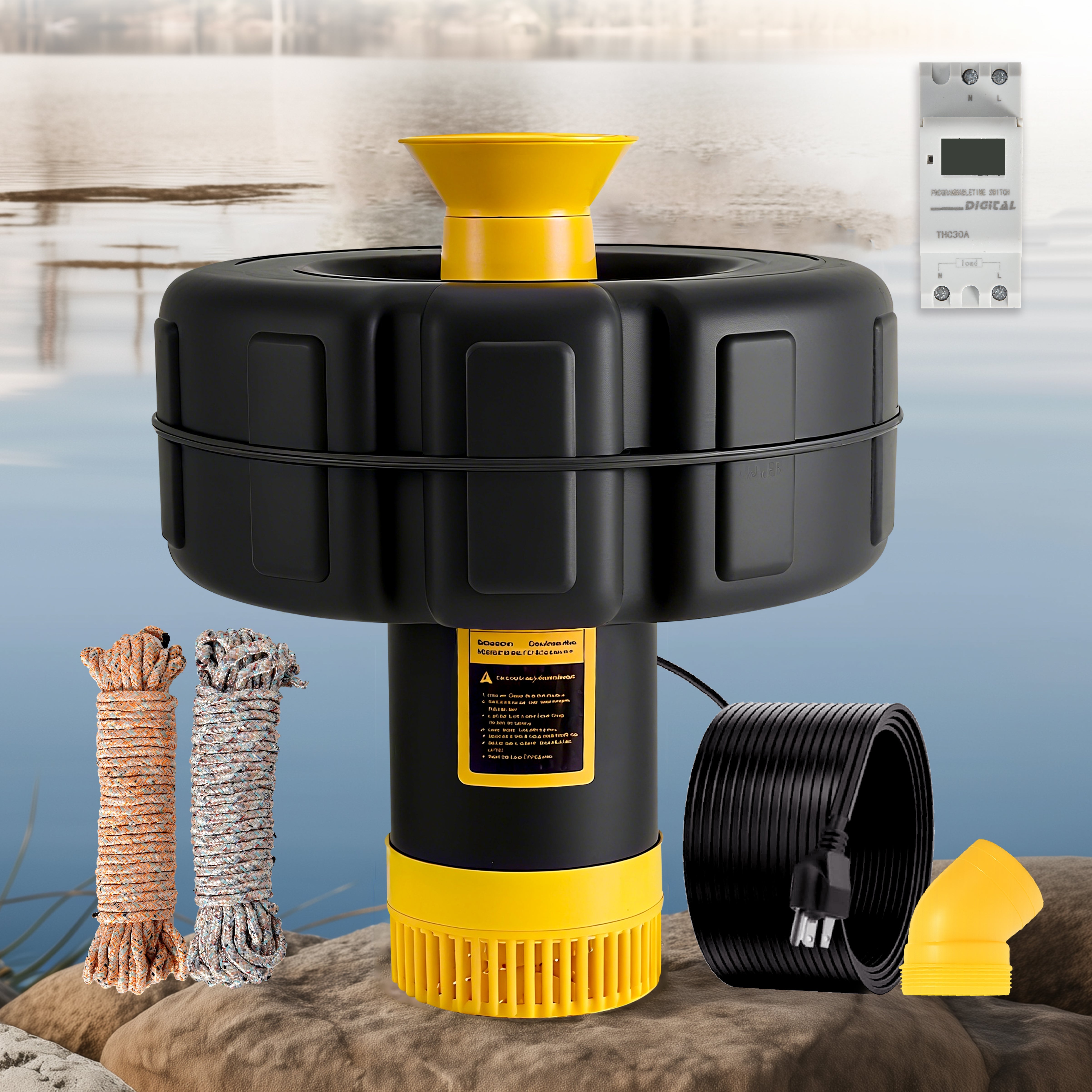
Many of us think indoor air quality is only about filters and HVAC, pero the truth is broader: stagnant garden ponds and poorly maintained water features can affect humidity and outdoor allergens that drift into the house. If you want a practical audit, start outside—check your pond’s circulation and how often it stagnates, then move inside to measure CO2 and relative humidity. An easy first step is to consider an automated pond fountain that keeps water moving, improves aeration, and reduces odor sources that degrade nearby air.
Why this matters now: the problem-driven case
Problem-driven thinking means you begin with what’s wrong and work backwards. Homeowners often notice musty smells, fluctuating indoor humidity, or increased allergy symptoms without tracing them to their yard. Ponds with low circulation become breeding grounds for algae and bacteria, which in turn can aggravate indoor air. The U.S. Environmental Protection Agency recommends proper pond aeration as a mitigation strategy against harmful algal blooms—so fixing the fountain is not just cosmetic; it’s public-health adjacent.
Quick audit checklist: what to test first
Run this short outdoors-to-indoors audit:
- Visual: surface scum, mosquito larvae, or foul smell near the pond.
- Mechanical: is your fountain pump running continuously or intermittently? Check pump hours and any sediment buildup.
- Environmental: measure relative humidity at doors/windows and note times when outdoor odors peak.
- Operational: confirm nozzle alignment and diffuser performance to ensure even spray and circulation.
These steps let you triage fast—if multiple checks fail, you’ve got a circulation problem rather than a simple filter issue.
How intelligent pond fountains solve the root causes
Smart fountain systems address the root problems: automated schedules maintain constant circulation, sensors react to temperature or dissolved-oxygen drops, and variable-speed pumps modulate flow to reduce energy use. A well-configured floating lake fountain can increase surface agitation and oxygenation, which suppresses algae and lowers odor compounds. The result? Cleaner air infiltration and a more stable microclimate around your home.
Real-world example: what good looks like
In urban parks, municipal crews moved from fixed fountains to sensor-driven platforms after chronic algal outbreaks. For homeowners, you don’t need a city budget—installing a properly sized fountain with a UV sterilizer and scheduled run times often cuts algae and odor complaints within weeks. One common measure crews track is dissolved oxygen; when DO rises consistently, water quality and nearby air comfort improve.
Common mistakes homeowners make—and how to avoid them
People fall into a few repeat traps: choosing undersized pumps, ignoring seasonal maintenance, or buying decorative units that lack proper aeration capacity. Another frequent error is assuming all pond fountains are the same—nozzle types, pump head curves, and floatation platforms vary widely. The fix: size the pump to your pond volume and desired turnover rate, ask for performance curves, and schedule at least quarterly inspections. —
Comparing options: DIY, mid-market, and integrated smart systems
Think of choices in three tiers. DIY kits are affordable but often underpowered; mid-market fountains add better pumps and durable nozzles; integrated smart systems combine sensors, app control, and automated maintenance alerts. If your priority is measurable air and water improvement, invest in an integrated system with monitoring—if budget is tight, at least prioritize a robust pump and a good diffuser. Also consider placement: a floating installation often promotes better circulation across the pond surface than a fixed shore-mounted jet.
Installation and maintenance basics
Basic steps for a reliable setup: level and anchor the floatation platform, route power safely (GFCI recommended), confirm the pump’s flow and head match the nozzle, and calibrate sensors after installation. Monthly checks for inlet screens and quarterly winterization in cold climates will extend component life. If you use a fountain with aeration and a UV unit, replace bulbs on schedule to keep microbial control effective.
Advisory: three golden rules for choosing the right system
1) Match capacity to pond volume: choose a pump and nozzle rated for at least a full turnover every 24 hours for ornamental ponds; faster turnover helps with larger aeration goals. 2) Prioritize monitoring: systems with dissolved-oxygen or turbidity sensors give you data to see improvements or intervene early. 3) Think lifecycle cost, not just purchase price: factor in energy draw, maintenance parts, and expected lamp or pump replacement when comparing quotes.
Bringing it home: why Orison fits the solution
When your goal is both cleaner air and a low-maintenance water feature, choosing a provider that blends reliable hardware with smart controls matters. That’s where integrated solutions shine—automated pump schedules, remote alerts, and easy maintenance plans convert a seasonal headache into a steady improvement. For many homeowners, that practical combination is precisely the value offered by Orison. —