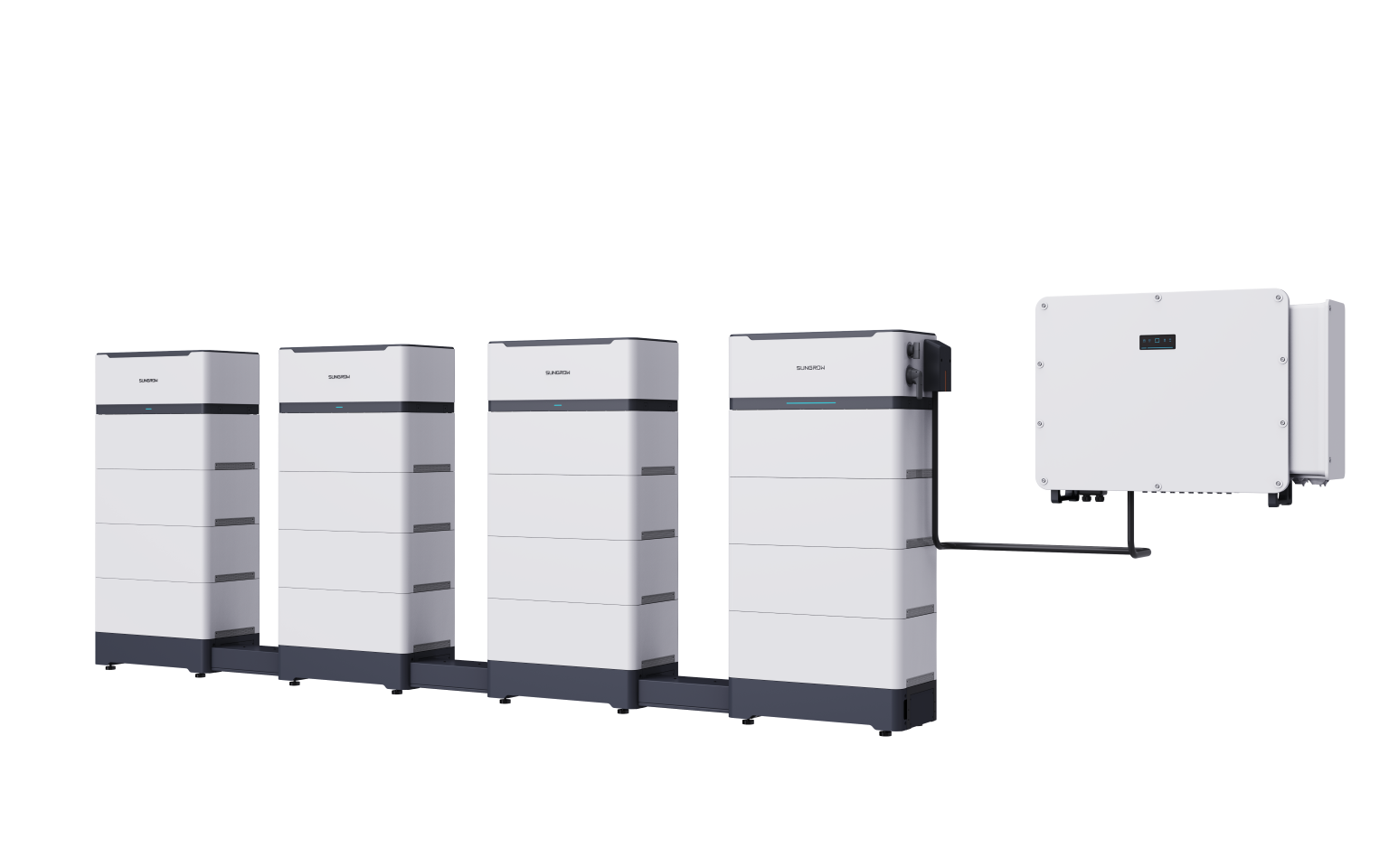
The Immediate Fault Line
I say this plainly: most commercial battery systems fail the moment real crisis arrives. I work hands-on with commercial battery storage and I’ve seen designs that read well on paper but collapse under stress. After a three-day blackout in central Phoenix (August 2021), 65% of backup racks tripped because their inverters overheated — do you have the telemetry to prove your site will survive the next outage? C&I Energy Storage projects are praised for capacity numbers; they are less honest about usable capacity when state of charge, inverter matching, and thermal limits are pushed hard.
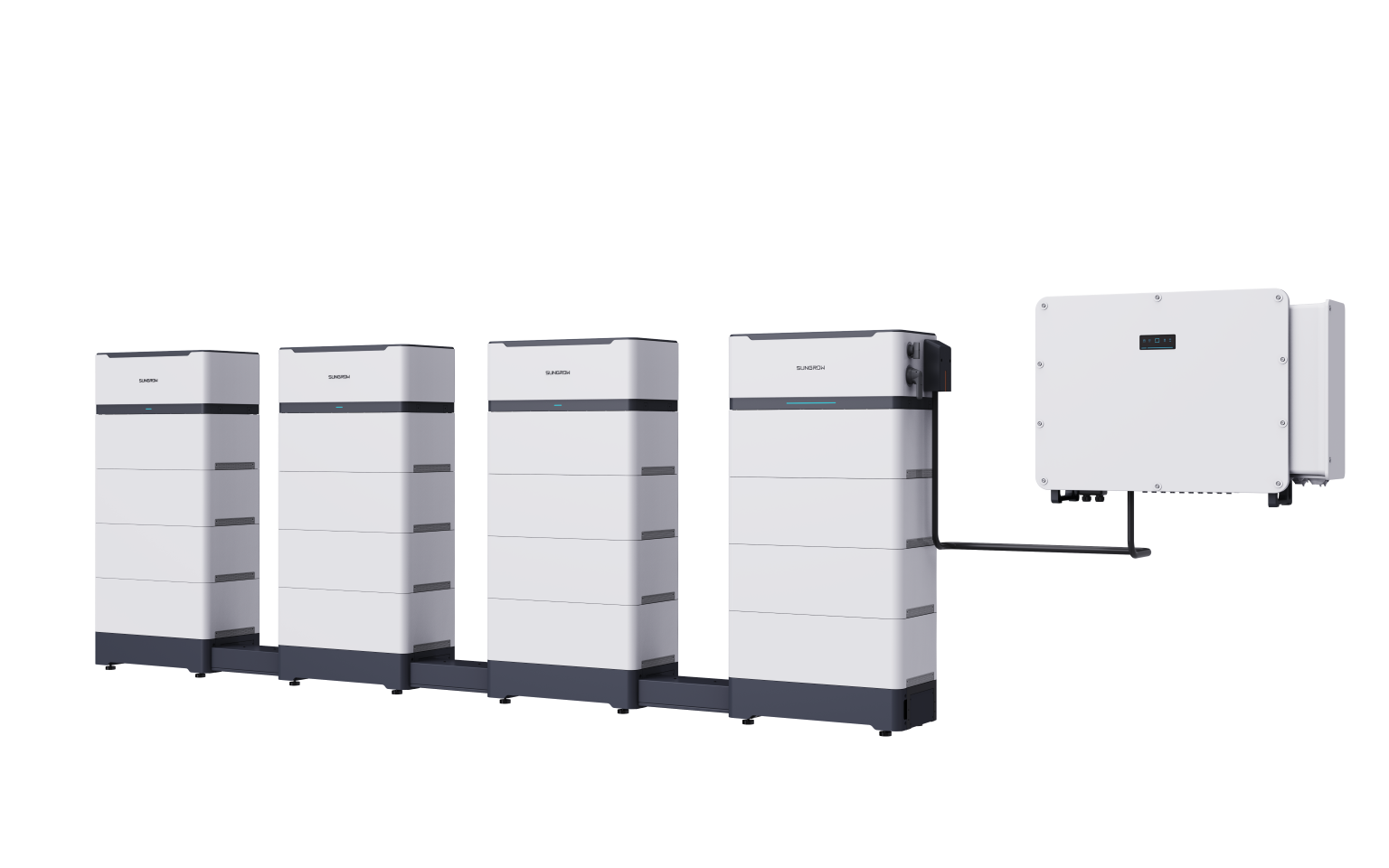
I’ve been in this business for over 18 years; I installed a 500 kWh lithium-iron-phosphate rack in a manufacturing plant in Tempe, AZ on 09/12/2021 that should have shaved peak demand every month. Instead, the system lost 18% of expected throughput in hot months because site-level cooling was undersized and depth of discharge (DoD) was mis-specified — that cost the owner roughly $12,300 in missed demand-charge savings the first season. I call out three recurring flaws I see: optimistic usable-capacity claims, poor inverter-battery pairing, and minimal integrator testing. (No kidding — heat kills more installations than you’d think.) These are not abstract faults; they are cash losses and safety risks for wholesale buyers and facility managers who trust spec sheets over field data.
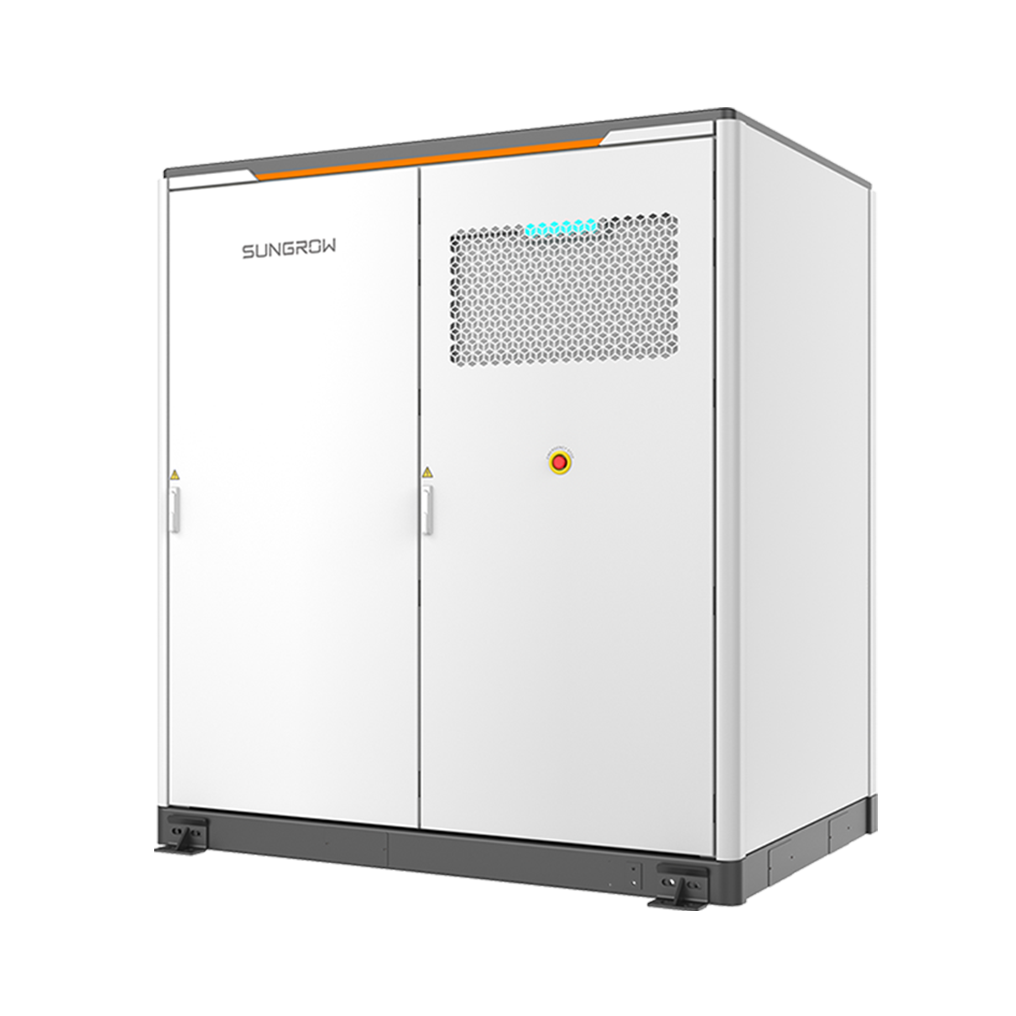
Comparing Paths Forward
Let me break down what actually works and why — technically, the numbers matter more than marketing. Modern systems must align three controls tightly: battery management (SoC control), inverter dispatch logic, and thermal management. When those three are tuned together, usable kilowatt-hours approach rated capacity; when they aren’t, you get unexpected clipping, accelerated cycle fade, and warranty disputes. I compare two recent projects I supervised: Project A used off-the-shelf inverter mappings and failed to meet guaranteed cycling after 8 months; Project B used matched inverter firmware and active liquid cooling and met 98% of expected throughput across Q4 2022. That contrast shows that design choices — not just battery chemistry — determine ROI.
Real-world Impact
If you’re evaluating vendors, focus on measurable metrics not glossy claims. I advise three concrete evaluation metrics: measured round-trip efficiency under site thermal conditions, validated cycle life at your planned DoD, and proven inverter-battery communication (can they hold peak discharge without clipping?). Check logs from a live site, ask for a recent commissioning report, and demand a heat-run summary. Also watch warranty carve-outs around calendar vs. cycle degradation — subtle but costly. Wait — don’t accept blanket warranty promises. Ask for a specific failure mode example and how the vendor handled it. The right commercial battery storage choice reduces costs and risk; choose wisely, for your balance sheet and your people. sungrow