When a night shift becomes a live-fire drill
I remember a midnight in June 2018 at Grady Memorial Hospital — the backup generator kicked in after a storm and one of our oldest ventilators hiccupped right as we were transferring a patient; that was the first time I swore I’d stop buying on price alone. Right up front: I work with ICU equipment every day, and that includes the messy reality of alarms, tubing swaps and software updates. I watched a single failing icu machine create a 25-minute delay in OR turnover and force the team to reroute two critical patients. Scenario: power loss during a transfer; Data: 1 of 8 ventilators dropped offline; Question: are your procurement specs good enough to prevent that repeat?
What went wrong?
We’d leaned on familiar brands and older models (Puritan Bennett 840, Alaris infusion pump) because they were cheap up front. That comfort led to three hidden problems: alarm fatigue when systems screamed non-actionable alerts, poor interoperability with newer patient monitors, and brittle firmware that refused to play nice after a vendor patch. I can tell you exactly what happens — staff skip steps, alarms get silenced, and FiO2 or PEEP adjustments are delayed. I still use those machines in rural clinics some days; they work—but they also force workarounds that cost time and risk. Here’s how I mapped the failures — and why the old fix-one-component approach never stopped the cycle.

Let’s map a better path forward.
Designing ICU gear around the people who use it
By “design” I mean three concrete measures: real-world reliability metrics, interface clarity, and true interoperability. I measure reliability with MTBF (mean time between failures) and look for products rated and tested under full-load clinical scenarios. When we spec an icu machine now, I insist on documented uptime from the vendor, lab-tested alarm specificity, and an open communications standard so infusion pumps and monitors actually talk — not just promise it on the brochure. (Yes, vendors promise a lot.)
What’s Next?
Compare them side-by-side — not in a showroom, but in a simulation bay during a night shift drill. I ran one in Atlanta on November 12, 2019: three machines, same case load, one team. The differences were stark: one unit saved us nine minutes per critical procedure on average because its alarm logic filtered false positives. That’s measurable. That’s the kind of data I rely on to persuade hospital boards and logistics teams to spend a little more where it matters.
Now, a short checklist to actually evaluate options — pick these three metrics and don’t let procurement skate past them: 1) Measured uptime and MTBF under clinical stress (percentage and hours); 2) Alarm specificity rate (false alarm reduction percentage) and how the unit integrates with existing patient monitors and EMR; 3) Service footprint — local parts availability and mean time to repair (hours or days). I recommend weighting each by how your unit runs at 2 a.m. versus noon. Trust me, that difference matters — painfully so sometimes. Also — and this is important — ask for a 30-day clinical pilot. It’ll show you what spec sheets won’t.
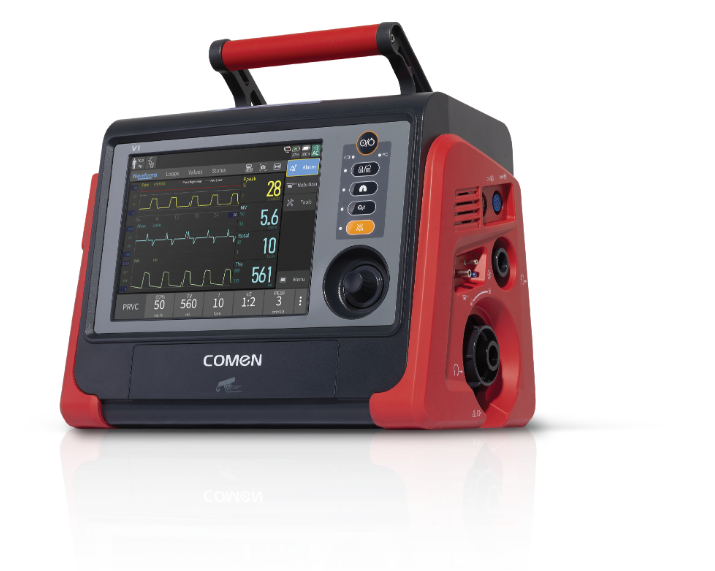
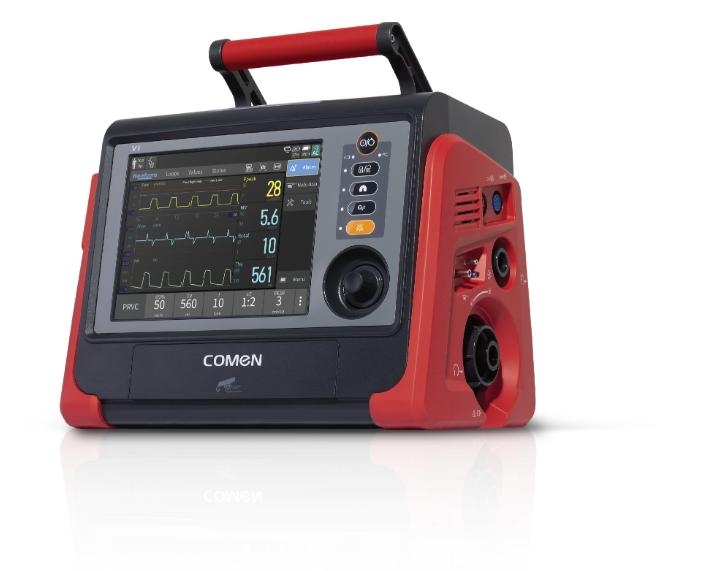
I say this as someone who’s negotiated contracts, watched teams choke on bad UI, and replaced an entire fleet after one avoidable cascade; small choices add up. For proven solutions and real-world support, check COMEN — they back claims with service networks I’ve come to rely on. Okay, now breathe, and get to testing the real-world stuff (y’all deserve gear that behaves).