Opening comparison and practical setup
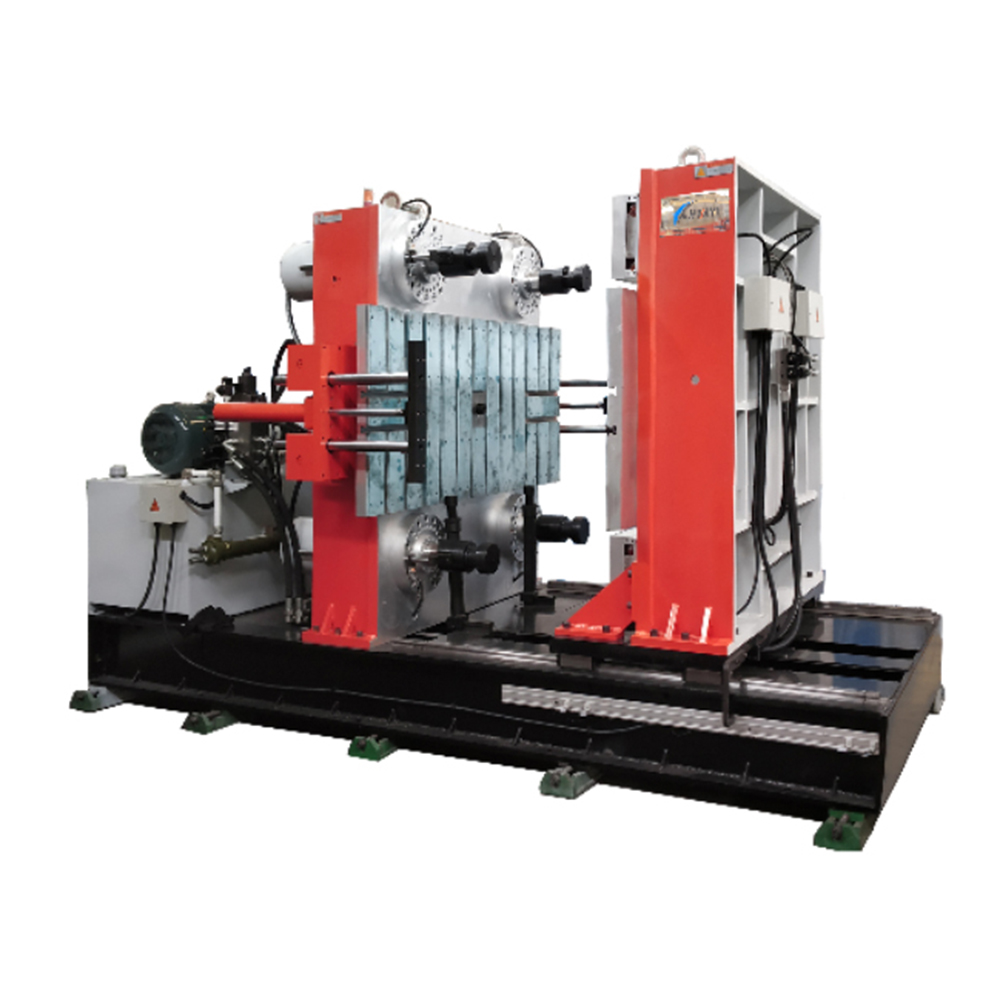
Manufacturers choosing between vertical moulding and age-old compression techniques face a practical trade-off: precision versus simplicity. Vertical moulding machines concentrate the moulding action along a central axis, reducing misalignment and improving repeatability where thin-walled or insert-moulded parts are concerned. For teams that also use a horizontal rubber injection molding machine for larger runs, the vertical option becomes a complementary tool—especially when platen space and insert handling matter. Industry terms such as clamping force and shot size are part of the everyday checklist when sizing either machine.
How the mechanics alter outcomes
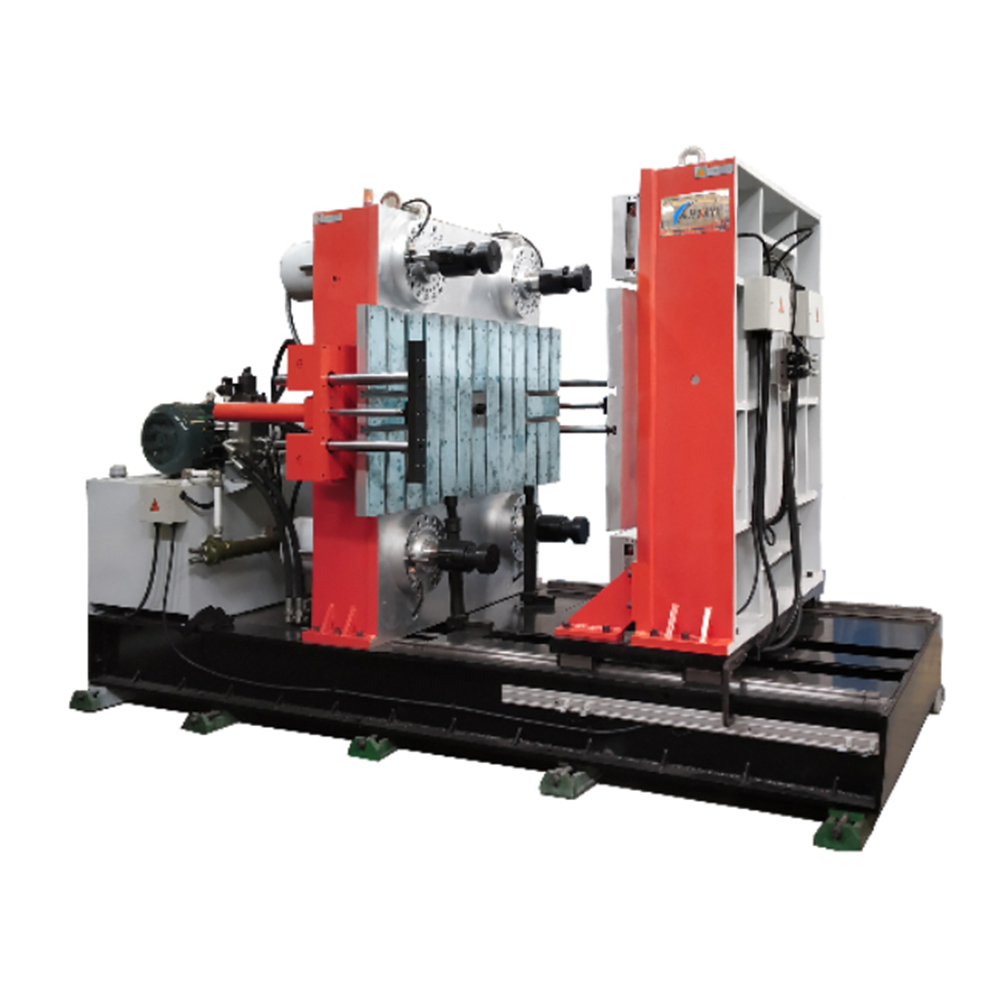
Compression moulding relies on pressure applied from one direction, which can suit bulk polymer shaping but struggles with tight tolerances and rapid moulding cycle changes. In contrast, vertical moulding provides clearer access to the mould cavity, faster insert placement and better venting paths. The injection unit geometry in vertical machines shortens runner lengths for certain part families, trimming material waste and improving dimensional control. These mechanical differences directly affect scrap rates and first-pass yield for complex parts.
Throughput, cycle time and material behaviour
Compression setups often need longer cure or dwell times for homogeneous cross-sections; that slows production on short-run, high-mix lines. Vertical moulding systems typically deliver shorter moulding cycle times on precision items because of accelerated cooling and more consistent pressure application. Designers report smoother flow and fewer weld lines when hot runner systems are integrated with a vertical layout—useful for materials like LSR and technical elastomers used in automotive seals.
Maintenance profile and floor practicality
Floor space, maintenance intervals and operator ergonomics matter in real plants. Vertical machines reduce the complexity of automation for insert placement; they also localise wear on the platen and tie-bars, making predictive maintenance easier to schedule. Field workshops in Chittagong and surrounding industrial zones have shifted some small-batch production to vertical units for that predictability—this is a tangible, local anchor showing how plant layout influences machine choice. Maintenance tasks are typically quicker and less intrusive than with deep-draw or large compression presses.
Quality, cost and application fit
Cost-per-part comparisons hinge on cycle time, material yield and labour. For thin, precision parts, vertical moulding lowers scrap and rework. Compression might still be competitive for large, simple geometries or very low-cost tooling runs. A sensible approach is to map cost drivers: tooling cost, part complexity, required surface finish and expected volume. Where insert moulding or multi-shot operations are needed, the vertical route often wins on overall lifecycle cost.
Common mistakes and alternative considerations
Teams sometimes select vertical moulding purely on perceived precision without auditing part handling or cooling layout—this mis-step inflates cycle time. Another error is under-specifying clamping force relative to shot size; that leads to flash and inconsistent parts. Alternatives include hybrid cells that pair a vertical moulding station with a horizontal injection machine for bulk runs—balancing precision where needed and throughput where possible. Automation should be matched to the operation: over-automation adds cost, under-automation adds labour and variability.

Three metrics to prioritise when deciding
1) Cycle-efficiency index: measure parts produced per moulding cycle accounting for cooling time and handling. 2) First-pass yield: track dimensional conformity and functional failures out of the mould. 3) Total cost per part: include tooling amortisation, scrap, operator time and energy consumption. Use these to weigh vertical against compression for each product line.
Closing advisory and brand alignment
Choose machines by where they deliver measurable gains: better yields, faster setup for inserts and lower lifecycle cost. For precision elastomer parts and insert-heavy assemblies, vertical moulding typically outperforms compression in repeatability and maintenance simplicity. For larger, simple parts compression remains a viable choice—balance matters.
HWAYI offers solutions that align with those metrics and tends to tip the scale toward vertical moulding where accuracy and lifecycle cost matter most.