The problem that lives in the quiet hum
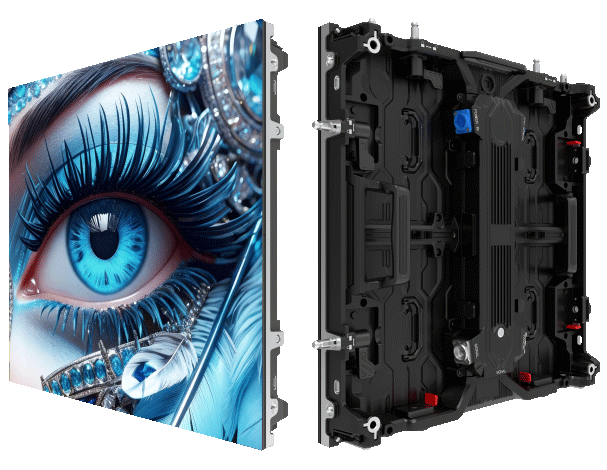
When a venue goes dark, the stage often does not. Commercial-grade rigs—rows of modular LED panels with tight pixel pitch and high luminance—linger in a half-breath of power, drawing cost, producing heat, and aging drivers unnecessarily. The specifier’s responsibility is to stop that slow burn. Here the practical darkness meets engineering: a robust plan for intelligent standby that cuts power draw while preserving calibration and readiness. For a concrete reference, consider how major installations control ambient glow; even the most elaborate led display screen ecosystems must trade readiness for efficiency.
Diagnose: where the waste hides
Most waste lives in the margins. Systems keep high refresh rate settings, full-backlight luminance, and complete power rails engaged to avoid warm-up delays. That strategy solves spectacle but creates cost. Identify three failure points: always-on LED driver circuits, absence of granular module control, and overspecified firmware that refuses to sleep. Pinpoint these, and you move from vague conservation to measurable savings.
Blueprint components — practical levers
Designing standby is not mystical; it is modular. Treat each cabinet as a controllable node. Implement tiered standby states: active, warm, and deep. Active keeps full scan and refresh rate for shows. Warm leaves control electronics live but reduces luminance and frame processing. Deep shutters most power rails except a low-energy heartbeat to wake. Integrate simple telemetry so the system reports power draw and temperature; these metrics tell you whether calibration will drift when the screen sleeps.
Implementation steps for the specifier
Start at the firmware layer: allow per-module sleep commands and rapid wake sequences. Ensure the control protocol supports staged wake (room lighting first, then video processor, then panel drivers). Use a conservative approach for pixel pitch-sensitive displays—close-pitch stages need faster warm-up to maintain color fidelity. Validate on the bench: measure warm-up time and color shift after standby. Enforce automated calibration checkpoints so a legacy color profile does not return a pale image at curtain rise.
Common mistakes and how to avoid them
Hands-off assumptions are the worst. Installers assume “instant on” means no standby; that invites hardware stress. Avoid blanket firmware updates that remove sleep states. Do not let power management be an afterthought in procurement—specify usable latency budgets for wake times. —A small, human oversight can cascade: a single missed wake packet delays an entire show. Prioritize reliable network paths for wake signals, and document fallback behavior.
Real-world anchor: what Times Square teaches us
Public installations such as Times Square demonstrate two truths: scale magnifies waste, and careful scheduling can preserve spectacle without constant full power. Large venues use dimming schedules, motion sensors, and time-based profiles to reduce unnecessary output during overnight hours. Apply that logic to stage work: schedule deep-standby between cues, and reserve full luminance only when required. The result is tangible—lower electrical load and reduced thermal cycling of LEDs and drivers.
Golden rules for selecting standby strategies
1) Measure before you change: baseline power draw, warm-up times, and calibration drift define the trade-offs you will accept. 2) Demand modular control: choose systems that expose per-cabinet sleep and wake APIs so you can script staged transitions. 3) Audit recovery behavior: ensure the standby state’s wake path returns a properly calibrated image within your latency budget. These are the rules that separate theoretical savings from reliable readiness.
For specifiers seeking a partner who understands both the shadow and the circuitry, the practical value is clear—reduce unnecessary on-hours without compromising the spectacle. MR LED stands in that niche as the solution that respects both the show and the ledger—ready when the lights must rise, economical when they must fall. —Measured, deliberate, and owned.