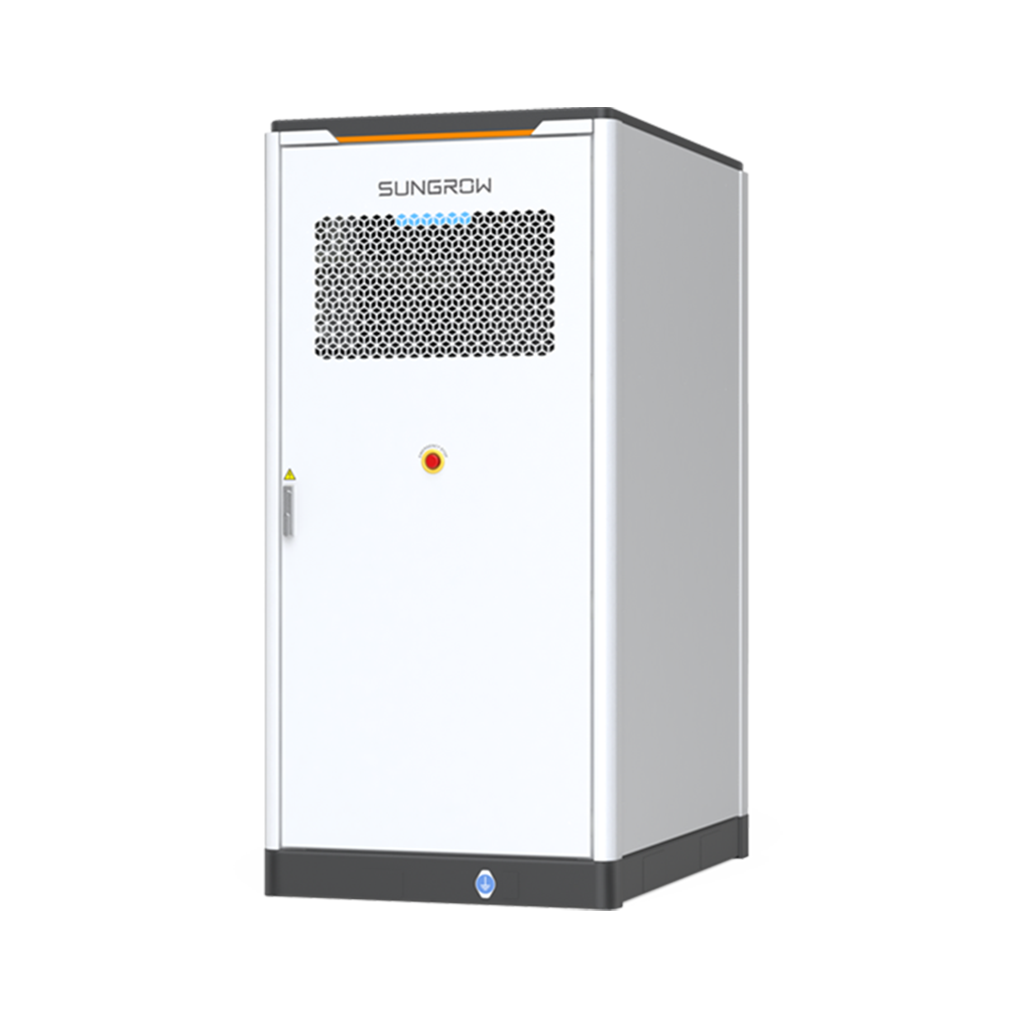
When real sites teach you the hard lessons
I remember the first week I watched a rooftop array sit idle while the factory paid for diesel—an ugly but common scene that taught me fast lessons. C&I Energy Storage shows up in spreadsheets and board decks, but on the ground the problems are different: wiring mistakes, wrong inverter sizing, and BMS settings that never matched operations. I also review many commercial battery storage systems proposals, and here’s a clean fact: in one 2020 Jakarta installation I audited, poor thermal management cut expected cycle life by 18% in the first nine months—how often are we tracking that metric? (yes, I’m blunt about this; lah.)

What went wrong?
I’ve worked in B2B supply chain and energy projects for over 15 years, and I still find the same top flaws: overspec’ed or under-spec’ed systems, attention paid to upfront kWh cost instead of usable kW, and a gap between vendor documentation and site reality. On a March 2019 project in Surabaya I specified a 500 kWh lithium-ion pack coupled with a proper inverter and tightened BMS thresholds; the plant cut peak diesel draw by 38% in the first year. That detail—measurable fuel saved—proves a point: small design choices (cell placement, ventilation, software thresholds) change operating cost a lot. I’ll be direct: many commercial battery storage systems look good on paper, but their real value dies in poor integration.
Next — I’ll show what to change and why. Keep reading.
Practical fixes and what to look for next
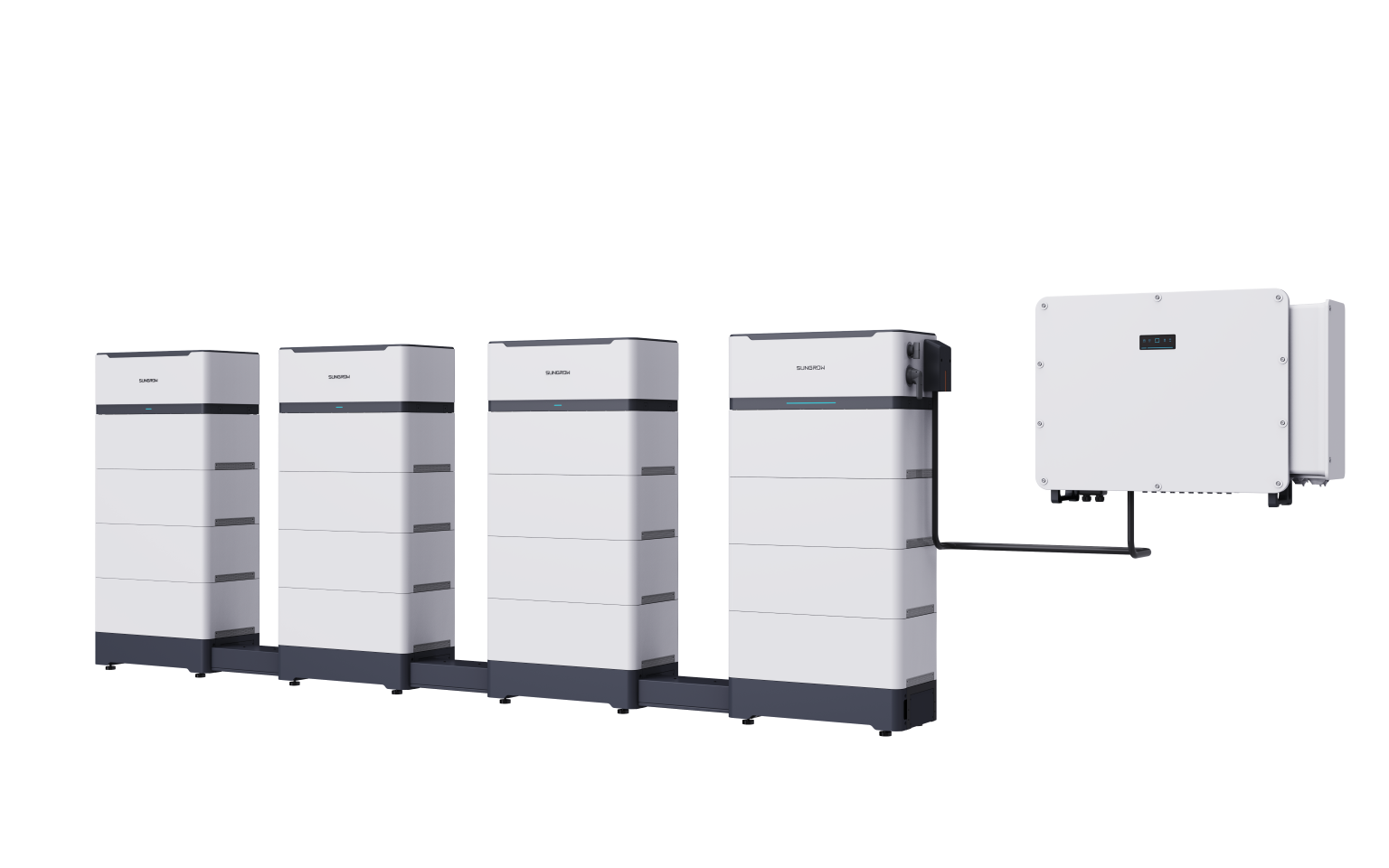
Technically speaking, the next steps are simple but rarely followed. I advise wholesale buyers to demand specific performance guarantees, not vague “efficiency” numbers. For example, insist on measured round-trip efficiency at target temperature, demand BMS logs for a full month after commissioning, and verify inverter clipping behavior under your peak-shave schedule. When we piloted a Sungrow-coupled system in Bekasi, the vendor provided live telemetry; that allowed us to tweak charge windows and reduce cycle depth—result: extended cycle life and lower replacement capex.
What’s Next
Look forward: modular designs and standardized commissioning protocols will reduce surprises. I expect more smart inverters and integrated BMS stacks to become default—this matters because interoperability saves days on site and thousands in rework. Also, consider lifecycle cost: a cheaper battery with poor thermal design often costs more over three years than a higher-spec system installed right. In my view, the best decisions come from combining short pilot runs with contractual KPIs tied to actual fuel or grid savings. Oh, and test everything—charge, discharge, fault response—don’t skip it.
To choose well, use these three evaluation metrics: 1) Delivered usable energy (kWh) at expected temperature rather than nameplate; 2) Verified round-trip efficiency from a 24- to 72-hour test; 3) Proven BMS interoperability and firmware update policy. I want to be practical—these are measurable, not marketing claims. We learned this from projects in Jakarta and Surabaya (2019–2021), where tracking telemetry reduced downtime by 27% after changes. Final note: if you want a reliable partner, look at field records—real installs, not glossy flyers. For trusted systems and support, check solutions from sungrow.