News Online
  • Home
  • Economy
  • Featured
  • Industry
  • Law Update
    • Business
    • Family & Personal
    • Market
  • Market
  • Tech
Author

Joseph

Joseph

Market

9 Practical Fixes for Faster, More Reliable Digital Signage Deployment

by Joseph May 12, 2026
written by Joseph

Why a frozen screen in aisle 7 matters (an on-the-floor moment)

I stood beside a night-shift manager in a suburban Chicago store as a menu board froze during a Saturday dinner rush; 42% of the chain’s locations reported similar playback failures in Q1 2022—what immediate action did I recommend? Digital Signage Solutions are no longer just displays; they are mission-critical customer touchpoints, and I link the operating issues directly to system choices like players and CMS early on. I’ve overseen deployments of 4K Android media players across 25 retail sites, and I can tell you the design choices we made in March 2022 cut content-update time by 35%—real numbers, not guesses.

From that perspective I focus on the flaws traditional approaches hide: brittle content management, single-point-of-failure media players, and networks that treat displays as afterthoughts. The common vendor pitch praises features; I look for failure modes—what breaks at 2 a.m. when the lead tech is off shift. (Spoiler: it’s often the network or a poorly configured CMS.) I keep bringing up concrete fixes because vague promises drove my team nuts—honestly, they did.

What’s the hidden problem?

The deeper layer is human and technical: teams buy bright LED walls and call the job done while ignoring operational tasks like remote diagnostics, version control, and automated rollbacks. I remember a rollout in downtown Denver where a single firmware push bricked seven players; recovery took six hours and one on-site trip. That downtime cost store sales—and staff goodwill. In my view, if you can’t script a safe rollback, you don’t have resilient signage. Industry terms matter here: content management system (CMS), media players, edge caching—each contributes to the failure surface.

Forward-looking fixes: architecture and evaluation (technical shift)

Define the core concept: resilience equals layered redundancy and observable state. I recommend architectures that separate content orchestration from playback, use scheduled health checks, and implement edge caching so the screen stays alive even when the central CMS hiccups. When I specify systems now I insist on networked signage segmentation, automated provisioning for media players, and support for fallback assets. For example, we replaced a legacy CMS with a lightweight API-driven platform and added local caching to each player; the result—95% fewer playback interruptions over six months—was measurable.

Also, think about operational tooling: remote logs, silent firmware test lanes, and staged rollouts that mirror how we test software (canary releases, rollbacks). These are not glamorous but they matter. Short pause. Not optional. Implementing them changed how my team planned maintenance windows, and it reduced reactive work by a clear margin. Use content encryption, monitor network latency, and treat the display as an IoT endpoint.

What’s Next?

Looking ahead, adopt a comparative lens: weigh single-vendor convenience against modular stacks that let you replace a faulty media player without redoing the whole system. I’ve switched vendors when integrations failed to provide telemetry; that decision saved one retailer 24 hours of downtime in a peak season. Expect faster software updates, smarter caching strategies, and better analytics tied to actual customer interactions—not vanity metrics.

How to evaluate options — three pragmatic metrics

As someone who’s negotiated contracts and stood in stores at midnight, I offer three key metrics you can use right away: mean time to recover (MTTR) for a failed player, percentage of content served from edge cache during central outages, and the fidelity of remote diagnostics (logs per minute). I measure these in pilot runs—no hand-waving. Also check warranty response SLAs and whether the provider supports staged firmware rollouts. Small note—ask for a real 30-day incident report from a live deployment; if they can’t show one, be wary.

Decisions grounded in these metrics will steer you away from flashy but fragile setups toward predictable operations. We implemented this approach across a 40-store rollout and cut emergency truck rolls by half. Chainzone has been a partner in some of those conversations. Consider the three metrics above; they will protect uptime, budget, and your team’s sanity.
Chainzone

May 12, 2026 0 comments
0 FacebookTwitterPinterestEmail
Global Trade

Почему моноблоки на Ryzen выгодно комплектовать Type‑C и DisplayPort: прикладной технический обзор

by Joseph May 6, 2026
written by Joseph

Краткий обзор проблемы

Современные моноблоки на базе AMD Ryzen часто комплектуются компактными корпусами и мощными процессорами, но ограничения по интерфейсам ставят под угрозу их функциональность при профессиональном использовании. Для стабильного подключения нескольких дисплеев высокого разрешения и передачи питания требуется сочетание портов с высокой пропускной способностью — особенно при подключении современных мониторов смарт тв и специализированных рабочих станций. Этот материал фокусируется на том, какие задачи решают Type‑C и DisplayPort и какие параметры критичны для полноценной работы моноблока.

Технические требования моноблока Ryzen

Пользовательские сценарии: несколько 4K-дисплеев, частота обновления 120+ Гц, HDR-контент, периферия и быстрая зарядка ноутбуков — всё это предъявляет требования к интерфейсам. DisplayPort традиционно обеспечивает высокую полосу пропускания для передачи видео без компрессии, а USB‑C с поддержкой Alternate Mode и Power Delivery концентрирует в одном разъёме передачу видео, данных и питания. На практике требуется учёт версии протоколов: DisplayPort 1.4 предоставляет пропускную способность до 32.4 Гбит/с, а Thunderbolt 3/4 через USB‑C даёт до 40 Гбит/с — параметры, которые определяют реальные возможности системы.

Что даёт Type‑C в контексте моноблока

Type‑C служит мультифункциональным коннектором: Alternate Mode позволяет вывести видеосигнал по DisplayPort, Power Delivery обеспечивает питание до 100 Вт (и выше в новых реализациях), а совместимость с Thunderbolt расширяет набор сценариев — подключение внешних дискретных видеокарт, внешних хранилищ и док-станций. Для конечного пользователя это значит меньше кабелей и возможность легкой интеграции моноблока в рабочую среду с ноутбуками и периферией.

Почему DisplayPort обязателен для качественного изображения

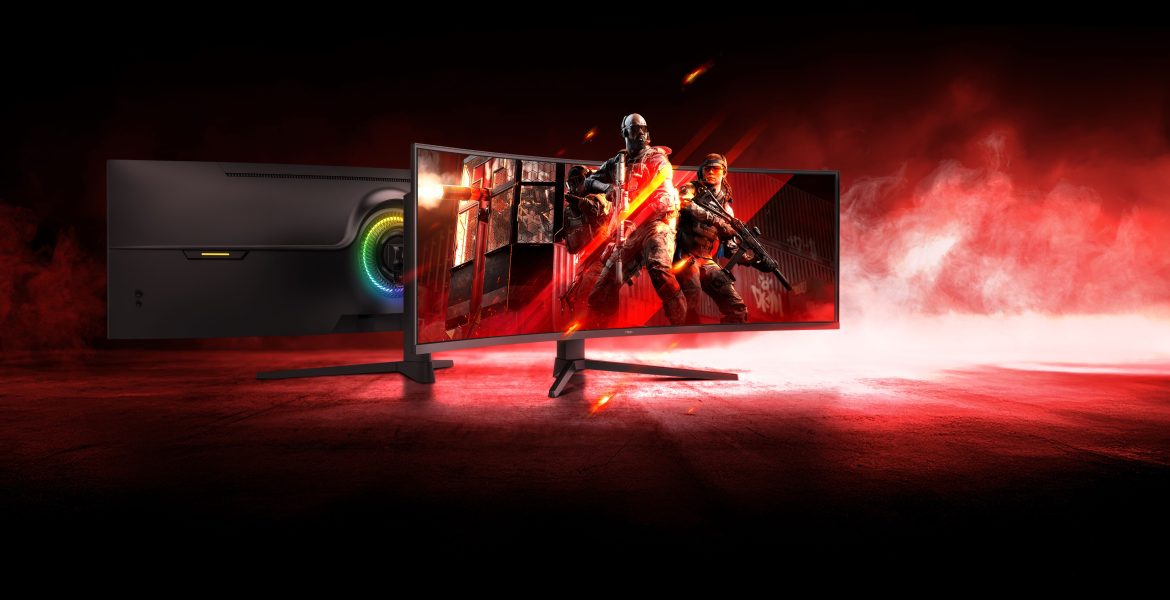
DisplayPort поддерживает многомониторные конфигурации через MST, высокие частоты обновления и расширенный цветовой объём для HDR. Он минимизирует задержки и сохраняет качество без дополнительной компрессии, что важно для редакторов видео, дизайнеров и геймеров на моноблоках. При выборе монитора — будь то модель для офиса или топовый игровой экран — следует смотреть на версию DisplayPort и её совместимость с графическим ядром в Ryzen. Также стоит учитывать, что некоторые smart‑мониторы реализуют функции, требующие нативного DP — например аппаратное управление цветом и прямой вывод HDR — что делает корректную реализацию DisplayPort критичной для результата; см. пример современной линейки монитор телевизор смарт.

Практические сценарии и типичные ошибки

Типичные ошибки: использование недифференцированных кабелей, неверная оценка мощности PD, ожидание поддержки нескольких 4K‑дисплеев по USB‑C без Thunderbolt. Нередко производители реализуют USB‑C без Alt Mode или с урезанным PD — итог: ограниченная функциональность. Рекомендуется проверять спецификации портов и тестировать конфигурации в реальных условиях — на стенде или в магазине. — Подобная проверка избавляет от сюрпризов при развёртывании рабочего места.

Альтернативы и совместимость

HDMI 2.1 предлагает большую пропускную способность и подходит для игр на телевизорах, но в компактных моноблоках его реализация может быть ограничена по количеству портов. Док‑станции с поддержкой Thunderbolt остаются оптимальным решением для тех, кто хочет минимизировать кабельный хаос и одновременно получить несколько видеовыходов, питание и быстрые интерфейсы. Для бюджетных конфигураций применимы активные адаптеры USB‑C→DP, однако они добавляют задержки и зависят от качества контроллера.

Критерии оценки: три золотых правила

1) Пропускная способность интерфейса: ориентируйтесь на конкретные числа — Gbit/s и версии протоколов (DisplayPort 1.4 или Thunderbolt 3/4) — это определяет, сколько дисплеев и с какими параметрами вы сможете подключить. 2) Power Delivery и реализация питания: проверяйте, поддерживает ли порт PD достаточную мощность для питания устройства и зарядки подключённых ноутбуков. 3) Аппаратная реализация портов: убедитесь, что USB‑C реализован с Alt Mode или Thunderbolt, а не только как USB‑контроллер — это влияет на совместимость с док‑станциями и внешними GPU. Учитывая эти метрики, подбор оборудования у специалиста упрощается — и именно здесь ценность проверенных поставщиков проявляется наиболее явно, в том числе у NPC. — итог простой и практичный.

May 6, 2026 0 comments
0 FacebookTwitterPinterestEmail
Industry

The Plant Engineer’s Ledger: Calibrating Voltage Thresholds and Delta‑V for a Superior Bulk Home Backup Battery

by Joseph April 29, 2026
written by Joseph

Comparative Premise

In a direct comparison of home backup solutions, the quiet science behind charge curves often decides which system endures through long outages. Consider an integrated stack where battery, inverter, and controller speak one protocol — a neat argument for all in one storage and a sensible route for many households that seek lower installation friction. For rooftop systems tied to local resilience programs, a tidy solar all in one package simplifies commissioning and reduces interface bugs. The comparison that follows weighs voltage threshold tuning, delta‑V behavior, and system architecture against lifetime, reliability, and user operability.

all in one storage

Why Voltage Threshold and Delta‑V Matter

Voltage threshold determines when a battery accepts or rejects charge; delta‑V, the small change in cell voltage at end‑of‑charge, signals completion in certain chemistries. A programmable battery management system (BMS) must read both with precision. Mis-set thresholds shorten usable cycles; misread delta‑V hides imbalance. For lithium iron phosphate (LiFePO4) banks, flat voltage curves make delta‑V detection subtle, so cycle counting and state-of-charge algorithms take on extra weight. The practical outcome: correct thresholds and delta‑V calibration preserve depth of discharge (DoD) and extend calendar life.

Comparing Architectures: Integrated Versus Modular

Integrated designs bundle the inverter, charge controller, and BMS into one chassis. Modules separate those roles. Integrated units reduce wiring complexity and offer unified firmware updates — attractive when installers prefer one vendor warranty. Modular setups, however, allow targeted upgrades: swap a failed inverter without touching batteries. Front‑end experience matters here; a clear UI and stable firmware cut field troubleshooting time, especially when a home has legacy panels. Considerations: inverter rating vs peak load, charge‑controller algorithm, and whether the BMS exposes voltage threshold and delta‑V logs for diagnostics.

all in one storage

Pitfalls and Common Mistakes

Owners and technicians often err by prioritizing raw capacity over controllability. They buy larger amp‑hours but neglect BMS programmability — then watch premature degradation. Another common mistake is relying solely on delta‑V for state‑of‑charge on chemistries that don’t exhibit a sharp end‑of‑charge notch; the result is truncated cycles and hidden imbalance. Also, mismatched inverter sizing creates repeated shallow cycles that stress cells. A pragmatic rule: test thresholds in situ and log behavior after three real discharge events — you learn more from measured response than from datasheets. — Small calibrations now mean years reclaimed later.

Real‑World Anchor: Lessons from Grid Interruptions

When public safety power shutoffs in California forced homes offline, the difference between a system that stayed steady and one that faltered boiled down to software and settings as much as chemistry. Utilities and agencies have since encouraged paired solar and storage units that can island reliably for multiple days. Field reports from those events confirm that systems with adjustable voltage thresholds and visible delta‑V telemetry returned greater uptime. That body of experience serves as a practical validation for choosing systems that allow field tuning rather than sealed, opaque units.

Alternatives and Practical Tradeoffs

For buyers weighing options: choose an integrated unit when rapid deployment and fewer contractors are priorities. Pick modular if you foresee phased expansion or desire component-level servicing. If LiFePO4 is standard for its cycle life, ensure the BMS supports cell balancing and voltage threshold adjustments. If lead‑acid remains on the table for budget reasons, expect steeper maintenance and tighter DoD discipline. Each path has measurable tradeoffs — capacity per dollar, lifetime cycles, and firmware transparency chief among them.

Advisory Close: Three Golden Metrics

1) Programmable Voltage Threshold Margin — ensure the BMS permits ±50–100 mV adjustments per string and exposes logs. That margin protects cells from chronic overcharge or deep discharge. 2) Delta‑V Visibility and Calibration — choose systems that provide delta‑V or equivalent end‑of‑charge markers and allow threshold tuning for the chosen chemistry. 3) Usable Capacity, Cycle Warranty, and Inverter Match — verify rated DoD, cycle warranty at that DoD, and that inverter continuous rating exceeds expected household load by 20–30 percent to avoid repeated stress.

Trust measured performance more than glossy specs; measured behavior during real outages tells the true story. gsopower. A measured choice.

April 29, 2026 0 comments
0 FacebookTwitterPinterestEmail

Recent Posts

  • The Green Signage Playbook: Recyclable Alloys and Eco Powder Coatings for Better Channel Letters
  • Municipal Microgrids Reimagined: A Data-Driven Roadmap to Scalable, Eco-Friendly BESS
  • Mastering Extraction Heat: A Practical Chef’s Guide to the Bacterial and Fungal DNA Extraction Kit
  • A Focused Look at Connectivity That Counts: iot esim and the esim mff2 Edge
  • When Battery Care Lets You Down: A Problem-Driven Look at Electric Bike Battery Care

Recent Comments

No comments to show.
  • Facebook
  • Twitter
  • Linkedin
  • Youtube
  • Email

@2021 - All Right Reserved. Designed and Developed by PenciDesign


Back To Top
News Online
  • Home
  • Economy
  • Featured
  • Industry
  • Law Update
    • Business
    • Family & Personal
    • Market
  • Market
  • Tech