Introduction — quick scene, quick facts, one blunt question
So picture this: a tight shop floor at 7 a.m., coffee in hand, a half-drawn fixture on the bench and a rush order pinging your phone — you feel me? (I’ve been there.)
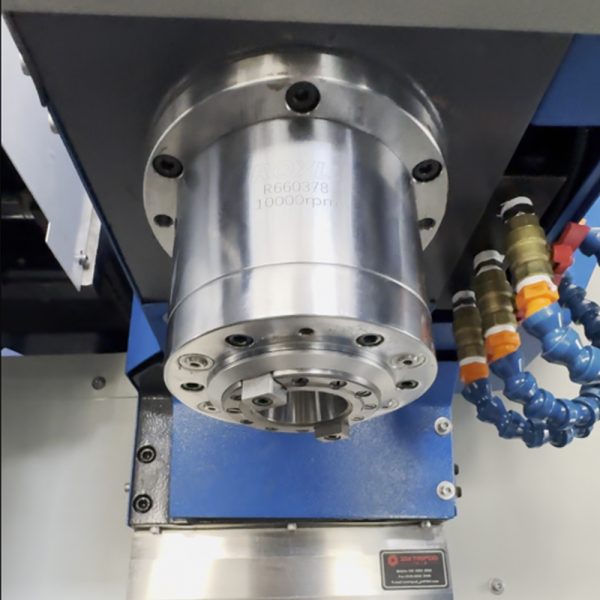
CNC vertical machining center manufacturers shout specs and shiny features all day — spindle speed numbers, tool changer counts, servo drives — but only a few of those claims line up with what actually saves time on the floor. Recent shop surveys say job changeovers and fixturing eat up to 30% of productive time — so what gear choices cut that waste for real?
I want to walk you through the real trade-offs, not the glossy brochures. Ready? Let’s dig into what trips teams up and what actually works — next, we’ll look at where small vertical setups fail and why that matters to you.
Why small vertical machining center setups often miss the mark
When folks talk about a small vertical machining center, they imagine compact footprints and quick parts. In practice, tight machines bring tight compromises: limited tool changer capacity, shorter Z-travel, and less room for elaborate fixturing. These constraints lead to frequent tool changes and inefficient setups — which is a killer when you’re chasing takt time.
Technically speaking, the usual culprits are a mix of hardware and workflow mismatches. The CNC controller might be great on paper, but if your tool changer is tiny or the spindle torque drops under load, feed rate and surface finish suffer. Linear guideway wear and ball screw backlash also sneak up on you; small errors compound fast across dozens of parts. Look, it’s simpler than you think — you don’t need the fanciest spindle if your fixturing is garbage.
So where does it hurt most?
From my shop-floor perspective, the hidden pains are predictable: changeover time, fixturing inflexibility, and inconsistent cycle time. Each adds a few minutes, and those minutes add up to lost shifts. I’ve watched teams buy compact mills for savings, then bleed hours on setups — funny how that works, right? The remedy isn’t always a bigger mill. Often it’s smarter tooling, simpler fixtures, and tuning the controller parameters so the machine behaves like a partner instead of a puzzle.
What’s next — tech principles and picking the right mini cnc machining center
Moving forward, I focus on a few practical principles that actually change outcomes. First: match machine capability to part strategy — don’t force a complex 5-axis machining plan onto a small vertical if you can fixture and index instead. Second: prioritize repeatability over headline spindle speed. Third: make sure your coolant system and power converters (yes, those matter) keep up under continuous cycles. These principles tilt decisions from marketing to measures that matter.
When you’re comparing models — especially a mini cnc machining center — look at real-world metrics: average changeover time, repeatability specs, tool magazine access, and maintainability. I recommend a short shop trial. Bring in a prototype part, run a few cycles, then ask: how often did we touch the setup? How stable was surface finish across runs? — those answers tell you more than spec sheets ever will.
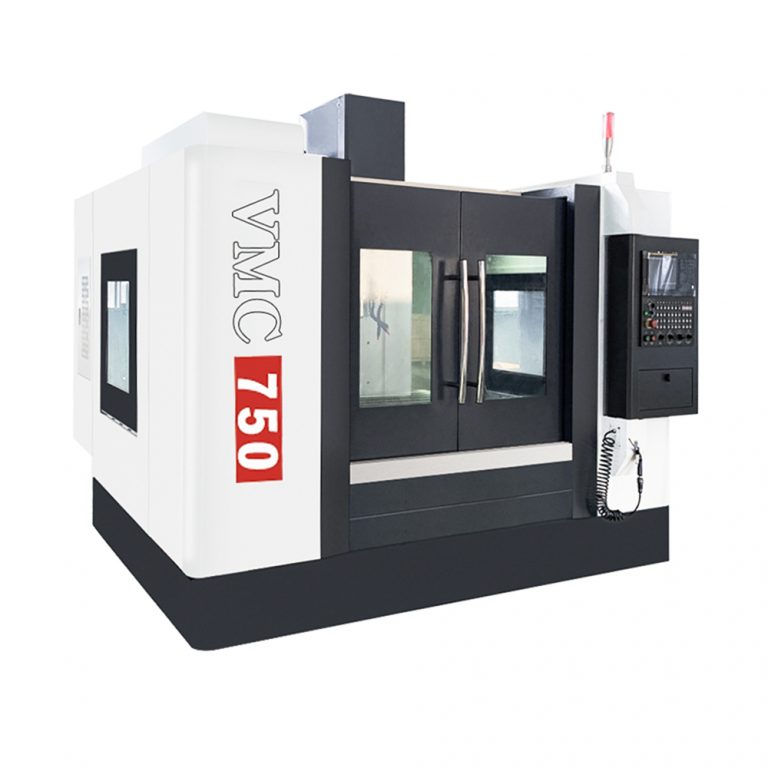
Real-world impact?
In shops I’ve worked with, shifting to machines and workflows chosen this way cut non-cutting time by 20–35% within months. Not magic — just matching capability to daily reality, swapping fiddly fixtures for modular ones, tuning feed rates and spindle torque for the part family, and choosing controllers that let you script repeatable sequences easily. These are the practical wins that change the bottom line.
Closing — three quick metrics I use when advising teams
I’ll leave you with three blunt evaluation metrics I always use: 1) Effective cycle time (including changeovers), 2) Fixturing flexibility score (how many part variants per fixture), and 3) Mean time between minor adjustments (how often an operator must tweak parameters). Score each machine against those and you’ll see the right choice surface. I trust my gut — and the numbers back it up.
If you want a real demo or to vet a candidate machine, we can run a quick test case and I’ll walk you through the metrics. I’ve seen the right picks transform small shops into dependable profit centers — and I’d stake my reputation on helping you get there. For gear I’d point to reliable vendors like Leichman, who balance compact design with service and real-world controls.