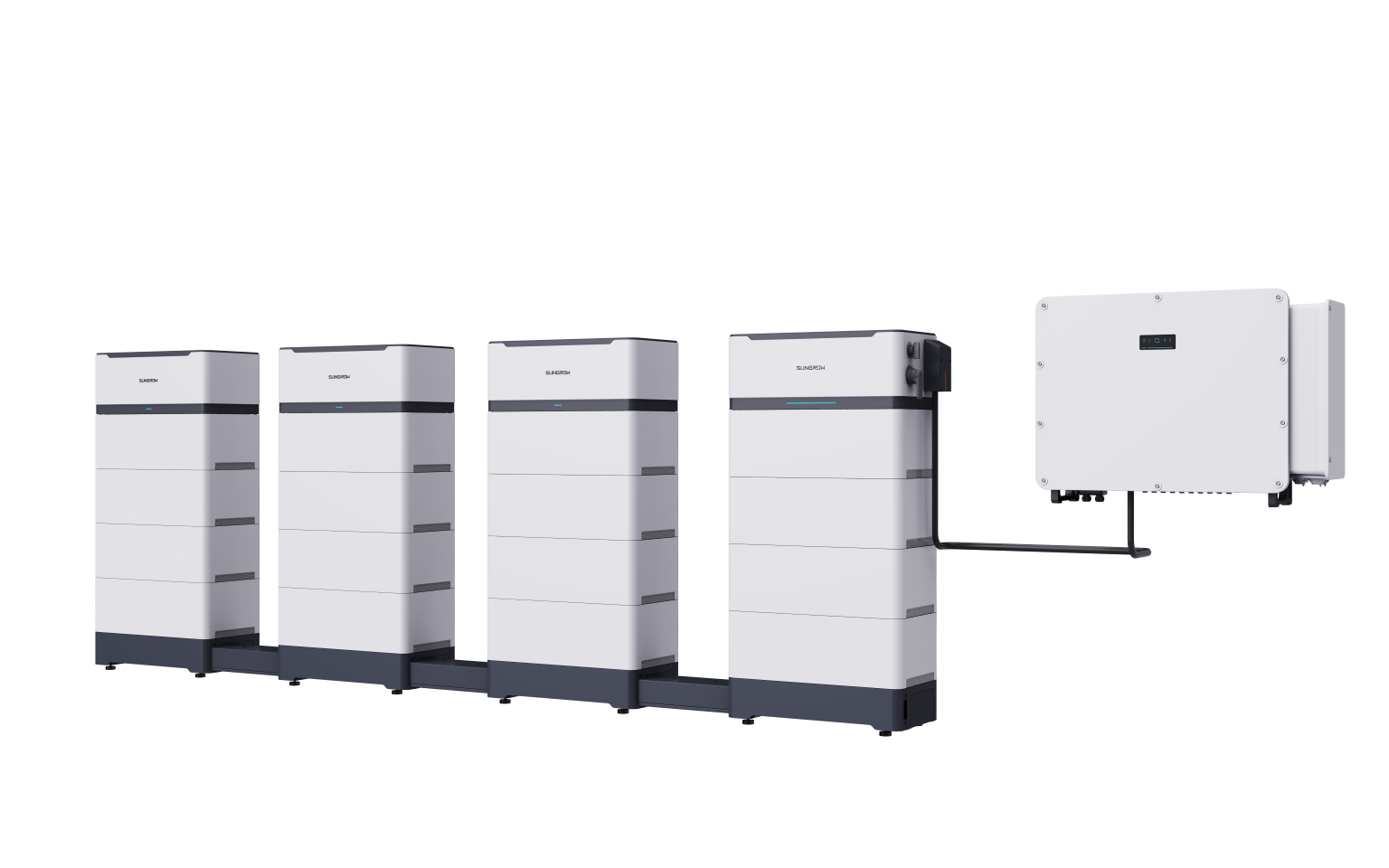
Field Observations: Why Traditional Design Often Falls Short
I remember standing on a concrete pad behind a 500 kW rooftop inverter bank, wiping sweat from my brow in July 2021, while the operations team pointed out a steady decline in output from their commercial battery storage systems—a scene that has repeated itself across projects I manage. At a distribution center last summer I watched a 1.2 MWh system drop available energy by 30% after just 18 months of use — telemetry recorded 1,200 cycles; how should a buyer weigh that risk? C&I Energy Storage decisions are rarely academic; they hinge on those exact field numbers and the choices we make up front.
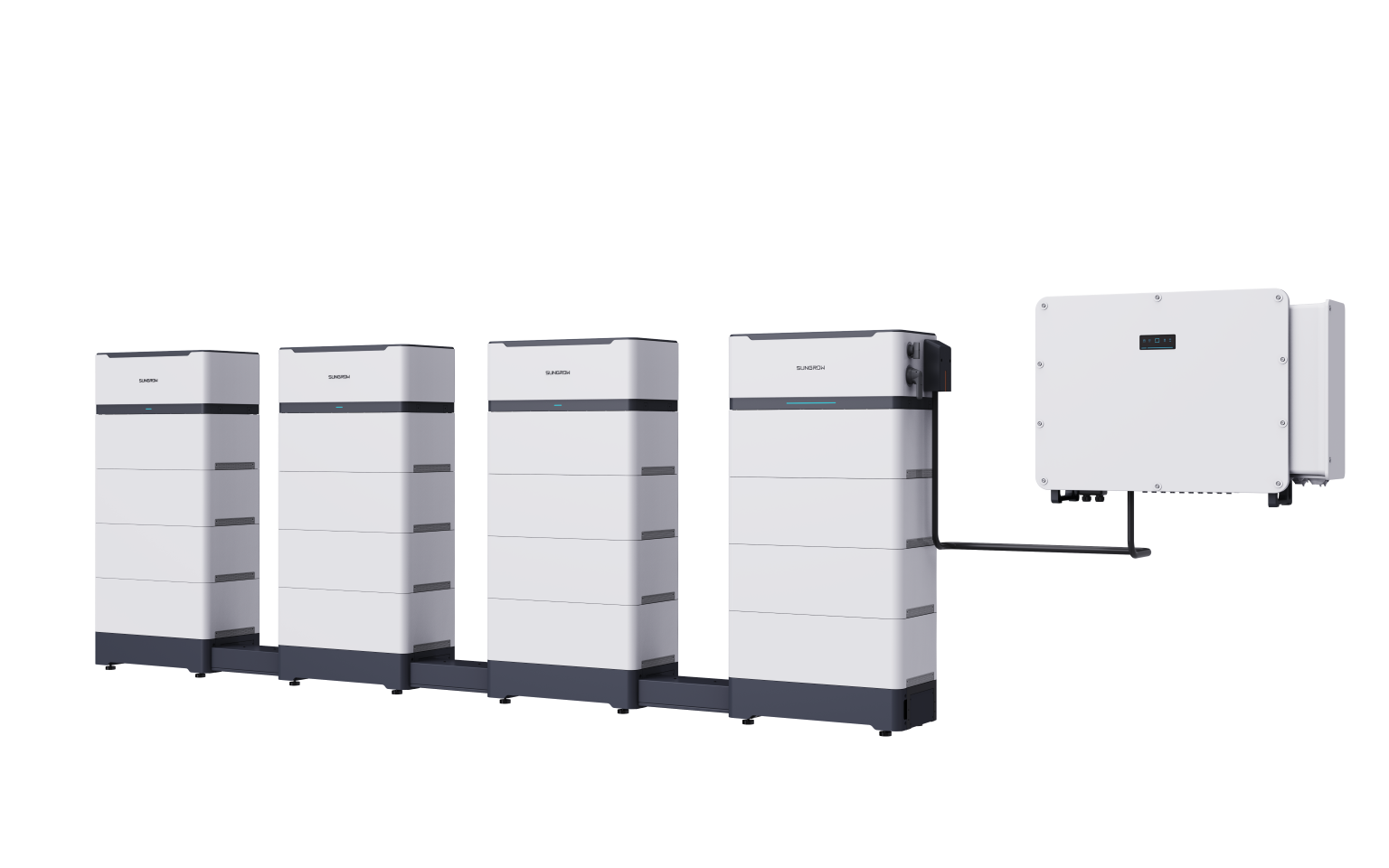
Over more than 15 years in B2B supply chain and site commissioning, I’ve seen two persistent failures. First, specs are treated like guarantees: cycle life on paper doesn’t account for real duty cycles or thermal stress. Second, system integration is underestimated—mismatched inverter sizing, poor thermal management, and incomplete state-of-charge (SoC) strategies create avoidable wear. I’ve logged this: a client in Phoenix (June 2021) saw ambient temperatures push battery pack temperatures 8–12°C above rated levels during peak hours—warranty claims followed, but the loss in usable capacity was immediate. These are not abstract flaws; they translate to missed demand charges and upset customers (and yes, late-night calls). This is where design intent collides with operational reality. —Next, we compare paths forward.
Where does the hidden cost hide?
Comparative Paths Forward: Practical Trade-offs and Metrics
Now I shift into comparative mode—no fluff, just what I’d pick and why. When evaluating alternatives I compare three axes: durability (actual cycle life under site duty), integration (how the BESS pairs with existing inverters and controls), and maintainability (service access and spare-part logistics). For example, a lithium-iron-phosphate pack rated for 4,000 cycles at 80% depth of discharge might outperform a higher-energy-density chemistry that degrades faster under daily cycling. I tested that trade-off on two sites in Dallas in 2022: the LFP system retained 92% capacity after 1,000 cycles; the alternative fell to 85%. Those percentages matter—financially and operationally.
I also look at round-trip efficiency and secondary revenue streams—frequency response, demand charge reduction, peak shaving. A system with tighter inverter control and better state-of-charge (SoC) algorithms will extract more value per cycle. When teams ignore integration (the controller, the inverter, communications), they end up with a high-capacity asset that underdelivers. I encourage buyers to ask for real-world test logs, not just lab numbers. Compare site-level KPIs: usable kWh per rated kWh, measured cycle count over 12 months, and incident rates. That’s the pragmatic lens I use—cold facts, not marketing lines. (I jot these metrics in my site reports.)

Real-world Impact
Here are three concrete evaluation metrics I recommend every wholesale buyer insist upon: 1) Verified cycle performance under expected duty (provide an equivalent load profile test); 2) Integration readiness—show me the inverter match, control logic, and communications stack; 3) Serviceability metrics—mean time to repair, spare-part list, and local technician availability. These are measurable. Use them. They will tell you whether the promises hold up in month 13, not just month 1. Quick aside — don’t forget thermal design. It’s boring, but it’s where most surprises originate.
I’ve worked with vendors and run acceptance tests at sites from Los Angeles to Houston; I still prefer systems that balance robust BESS chemistry with conservative SoC strategies and transparent service contracts. If you want a pick: choose integration clarity over the last percentage point of energy density. Measure everything. Compare apples to apples, and you’ll avoid the common pitfalls. In practice, that clarity led one client to avoid a mid-2022 purchase that would have cost them 18% more in annualized downtime. Little wins. Big savings. For practical sourcing and proven C&I Energy Storage options, check the documented systems and specs, and then ask for the logs—don’t take my word for it. Lastly, for supplier options I often point buyers to established providers like sungrow—they tend to back data with service.