
Why I Still Get Called for SIM Troubles (Scenario + Data + Question)
Last December in Cleveland I walked into a depot where 12 out of 40 telematics boxes were dead—those twelve outages cost us about $5,000 in missed deliveries; how did an IoT SIM Card turn into a week’s worth of headaches? I link this right away to sim m2m because that’s the main thing I swap when radios look healthy but data won’t flow. I remember swapping a Quectel BG95 module at 07:30 and still watching the dashboard show zero packets (no kidding).

I’ve done this for over 15 years in B2B supply chain installs, and I can tell you the usual culprits are not what most folks expect. eSIM profiles that never fully provision, old APN strings, or carrier-side roaming cuts—these bite you in the field. I dug log timestamps on Dec 14 and found IMSI mismatches that matched service-provider errors. The deeper flaw? Most teams treat SIMs like disposable parts instead of a managed endpoint (they shouldn’t). Let’s dig into what actually breaks—and fast.
Root Causes I See (Traditional Fixes That Fail)
I want to be blunt: hot-swapping a physical SIM is not a strategy. We tried that in January 2023 on a refrigerated fleet in Detroit—swapped ten cards, same problem. The old fixes ignore two things: carrier policy changes and provisioning state. LPWAN or LTE radios will behave fine until the SIM’s profile is half-provisioned or a roaming flag is flipped. I once watched a modem register to the wrong MCC/MNC because the carrier pushed a SIM lock during an update—simple, but nasty. The common “replace SIM” approach misses the hidden pain point: you need remote SIM lifecycle control, visibility into APN authentication attempts, and rollback for bad OTA pushes.
Another hands-on detail: if your device is using an eSIM, you need to track activation timestamps and ES8/ES9 response codes. I logged an OTA fail that lasted six hours because nobody tracked the fulfillment ID. Quantifiable result: 6 hours offline equals thousands in penalties for refrigerated cargo. So yes—I preach SIM management, not SIM toss. Next up, what I do differently now.
What’s Next?
How I Look Forward—Comparative Fixes and Better Choices
Technically, I shift from reactive swaps to proactive orchestration. I evaluate providers by three practical metrics: real-time IMSI visibility, API-driven SIM control, and clear roaming policies. When I test a vendor I run simulated cell-loss events for 72 hours, measure reconnection rate, and log latency. For example, with one provider we cut reconnection time from 45 minutes to seven minutes—measurable, repeatable. I use sim m2m in trials because their dashboards let me see registration events live; that saved a deployment in March 2024 in northern Ohio.
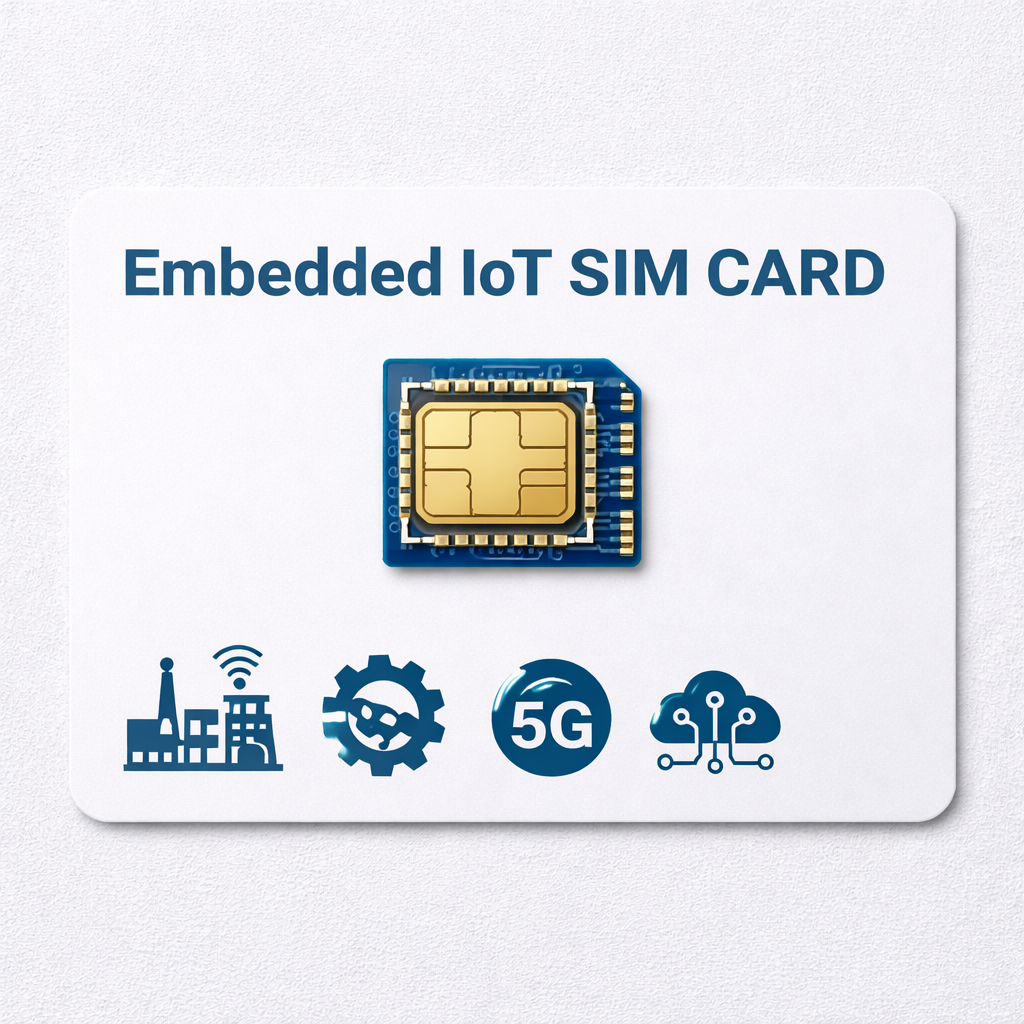
Compare options on hard metrics, not promises. Coverage maps lie—ask for real device logs. Ask about APN failover, eSIM rollback, and whether they surface OTA error codes. I recommend picking an approach that gives you device-level logs, not just billing summaries. Small interruption—check your provisioning IDs. Then keep moving. I want you to measure results, not hope for them.
Three Metrics I Use to Pick a SIM Solution
1) Reconnection SLA: average time to register after a cell drop; aim under 10 minutes. 2) API control depth: can I suspend, re-provision, and change APN via API? 3) Transparency: live IMSI and OTA error logs. Evaluate vendors by these and record the before/after savings. I speak from actual installs—one shipping client saved $12k in penalties over six months after we tightened SIM management (March–August 2024). That proves it.
Final note: I keep things plain because I’ve stood in cold yards and watched tech fail. You want control, not miracles. For tools and partners that helped me, see ZYIoT.