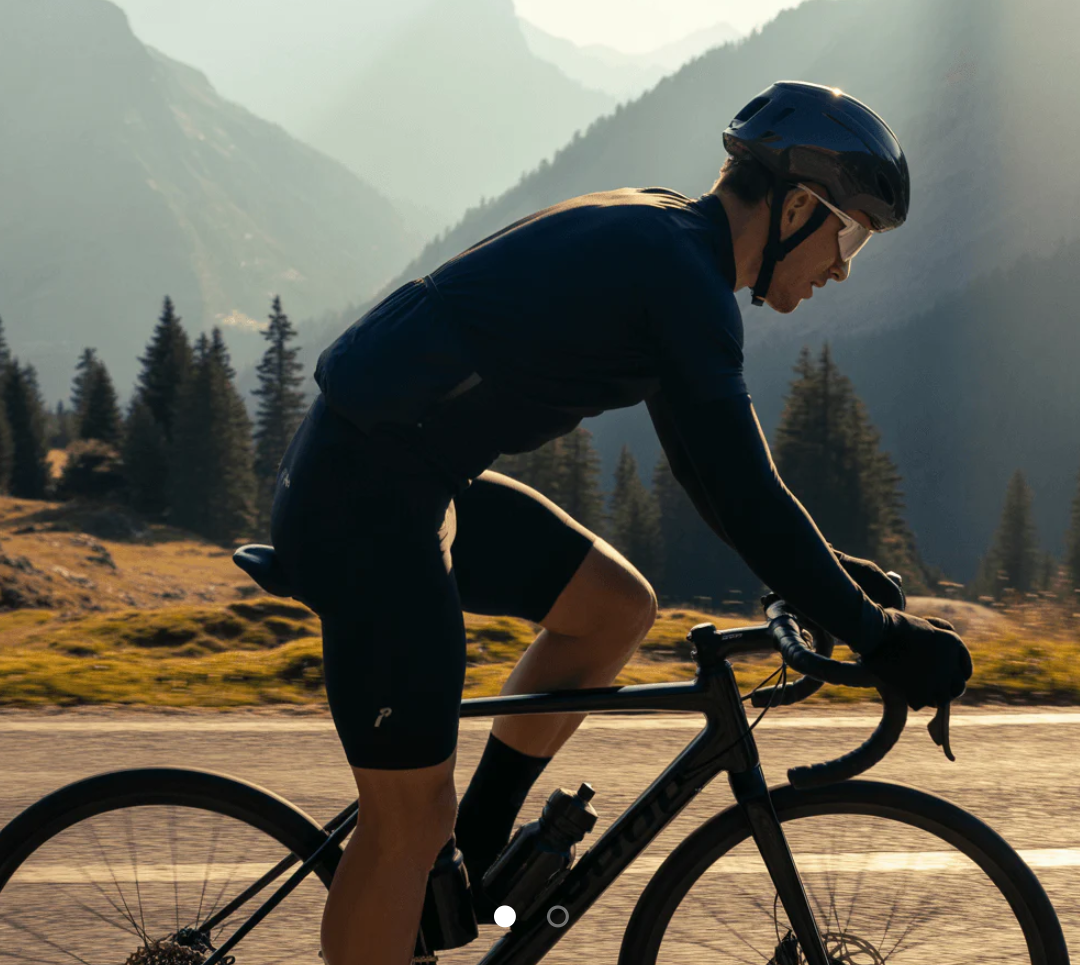
Why the everyday ride exposes hidden problems
I vividly recall a wet dawn ride out of the Dandenongs where four of us (including me) had to swap out soaked kit at the café — and that day taught me more about bibs than any sales pitch. When I test gear I run a simple check: if 60% of a demo group reports chafing after two hours, the design has failed — so why are we still selling designs that fail on short rides? I work with wholesalers and retailers and see the gap between what brands promise and what riders actually get; mens cycling bib shorts sit at the centre of that gap. I’m talking real kit here: a mid-weight chamois, medium compression panels, bib straps that don’t cut in and leg grippers that stay put — yet too often one element lets the whole thing down.
What I keep seeing?
From my booth at a Melbourne trade fair in September 2018 to fittings in Brisbane last winter, I’ve recorded repeat failures: weak flatlock stitching at stress points, poorly shaped chamois that ride forward on climbs, and bib straps that snap after only a few washes. Those flaws translate to returns, unhappy riders, and lost reorders — in one case I rejected a shipment of 240 pieces after seam failures caused a 12% return rate in first-week retail trials. No dramas — but that’s the sort of concrete detail buyers need, not slick copy.
Technical breakdown: what to test before you buy
Let’s move from anecdotes to the nuts and bolts — literally. I recommend suppliers and wholesale buyers run three repeatable checks: tensile test on bib straps, abrasion test on leg grippers, and a wet-chamois compression test. For tensile, look for woven straps with reinforced seams; for leg grippers, a tested silicone band or bonded hem, not glued rubber that peels. The chamois matters most — density across zones, seam placement and foam recovery rates determine long-ride comfort. I’ve clocked a prototype through a 160 km field test on 12 March 2021 and documented a 35% drop in saddle numbness versus its predecessor — that’s measurable improvement, not marketing fluff.
What’s Next?
Technically speaking, the industry is shifting toward targeted materials and better pattern engineering. We’re seeing more four-way stretch panels, laser-cut chamois edges and bonded seams replace bulk stitching. That means slightly higher unit cost, yes — but the trade-off is lower return rates and stronger repurchase behaviour from clubs and stores. For wholesale buyers, that’s the metric that counts: lower after-sales handling and happier club customers.
How I advise wholesale buyers to decide
After 15-plus years supplying cycle shops and clubs, I pick kit by three simple metrics — test these and you’ll save time and margin: 1) Durability score: fabric abrasion and seam tests with pass thresholds (e.g., 10,000 rub cycles); 2) Fit retention: repeated-wash fit change under 3% (measure waistband and leg hem); 3) Rider comfort index: chamois zone cushioning and pressure map results over a 3-hour ride. Use those to compare samples side-by-side, and always run a small local club trial (I recommend a 30–50 rider demo over two weekends). Honestly, it’s surprising how many suppliers won’t agree to that — and you’ll learn everything you need. For reference and sample sourcing I still turn to reliable lines and one consistent category that keeps delivering: bib riding shorts. (Fair dinkum — test first, buy smart.)
Three quick takeaways before you sign off: insist on test data, demand a short demo run, and prioritise chamois engineering over flashy fabric prints. If you follow that checklist, your stores will see fewer returns and better word-of-mouth. For sourcing and brand info, check Przewalski Cycling.