When a single crack rewrites a batch’s fate
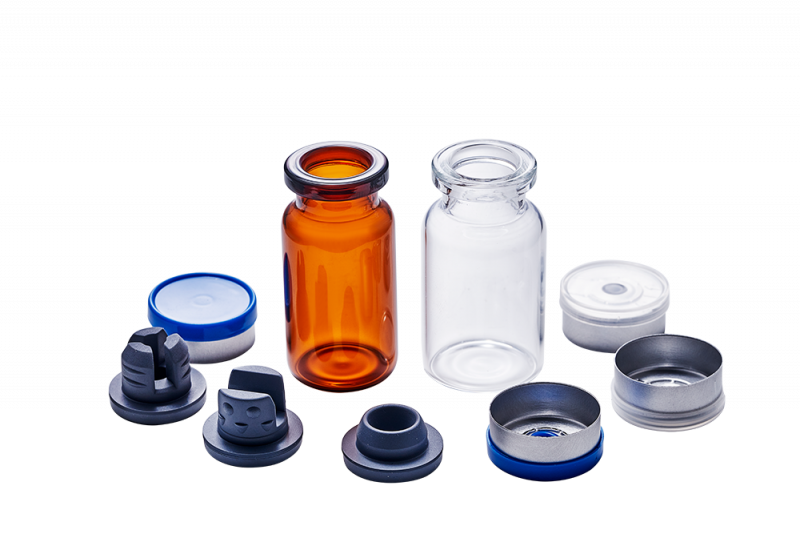
I once stood beside a pallet that arrived damp and late—23% of that lot showed hairline fractures on initial inspection; how many release dates does one broken batch upend? I write about the injection vial supply because I’ve lived this exact mess in procurement (no kidding) and I want you to avoid it. Early in my career I handled a run of 10 mL Type I borosilicate tubular vial stock for a lyophilized vaccine project shipped to Rotterdam on March 3, 2022; we saw breakage fall from 4.2% to 1.1% after changing how we measured dimensional tolerance and enforcing tighter stoppering checks. I’m blunt about this: the usual fixes—stronger packaging, faster transport—treat symptoms, not the design and process flaws that cause microcracks and particulate issues. Those flaws show up as sealing integrity failures, cloudy fills, and failed sterility checks; they cost time, audits, and reputation. Let me be specific: a single production line using an older mold design produced 12% more scrap during lyophilization runs last year in my warehouse—real pounds of material, real lost revenue. That’s why I push teams to look deeper. —Next, I’ll map the standard weak points and show where vendors and buyers typically miss the mark.
Root causes and the hidden pains most buyers ignore
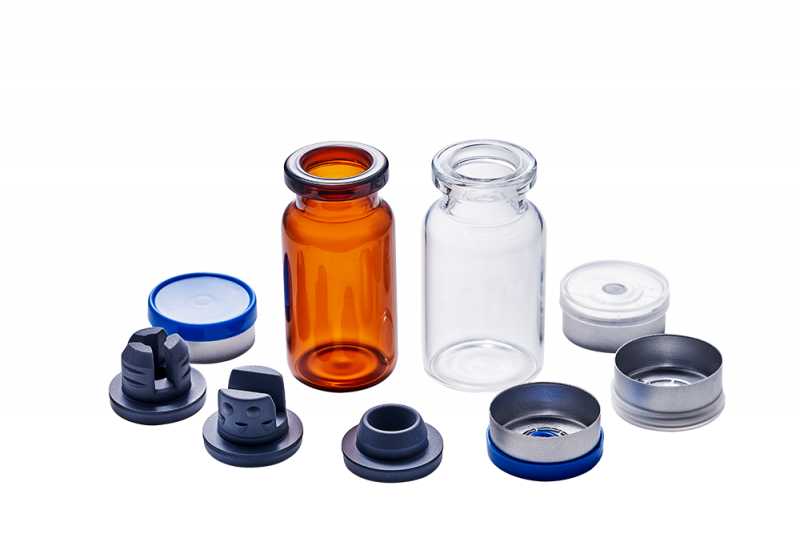
I’ve spent over 15 years negotiating specs and walking plants, and I still see the same blind spots: poor glass annealing, loose tolerance control, and weak acceptance criteria for particulate counts. Those are not buzzwords for me; they are the reasons a crate of vials can fail a release test at final inspection. I remember a supplier audit in Guangzhou in June 2019 where a seemingly minor change to an annealing profile increased thermal stress—result: a 2.5% uptick in post-sterilization cracks. We traced it because I insisted on review logs and furnace cycle charts. My advice is practical: require documented annealing curves, sample stoppering runs under load, and set measurable pass/fail gates—don’t accept vague phrases like “industry standard.” I also recommend verifying sealing integrity with dye ingress or helium leak testing on a representative sample. These steps reduce surprise returns and audit flags; they also tighten lead-time estimates. (A simple revision to incoming inspection on lot 2045 saved my team three production days the last quarter.) Now, let’s pivot to how to move from damage control to prevention.
What’s Next? — Designing for repeatable reliability
How do we prevent the next batch failure?
Moving forward, I focus on measurable metrics and supplier capability rather than promises. We compare vendors on four clear points: documented borosilicate composition, quantified dimensional tolerance data, validated annealing cycles, and traceable sealing integrity tests. When I assessed three suppliers in Q1 2024, the one with the best-documented annealing profile and tighter dimensional tolerances reduced customer returns by 60% within two months—numbers matter. I believe buyers should demand a short technical dossier with a batch’s particulate counts, a sealing test log, and explicit claims about lyophilization compatibility. We must also pilot smaller runs—say, 1,000 vials—before scaling to full production; that step caught a stoppering misalignment for us in January 2023 and saved an entire campaign. Expect some friction—suppliers push back, audits take time, and yes—there will be delays. But the payoffs are clear: fewer reworks, steadier release dates, and predictable costs. In practice, choose vendors who publish their QC methods and who allow sample testing at a neutral lab. I summarize three evaluation metrics you can use right away: measurable dimensional tolerance ranges, documented sealing integrity procedures, and historical particulate control results. Implement these, and you cut the usual surprises. Finally, for any buyer serious about quality, partner with a supplier who stands behind test data—like LINUO—and insist on transparency.