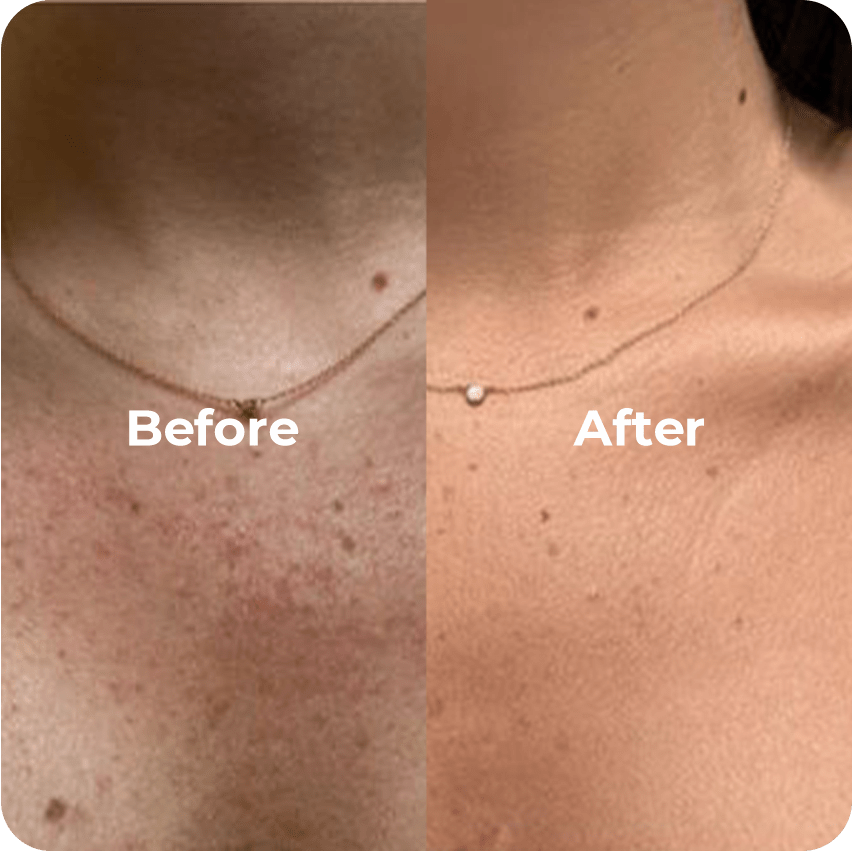
Why a framework matters for clinics and practitioners
When you run a dermatology or medical-aesthetics practice, the choice to expand or prioritise skin rejuvenation treatment offerings isn’t just clinical — it’s strategic. A clear framework helps you balance patient outcomes, equipment investment, and scheduling efficiency so that both clinical quality and revenue goals improve together. Taking a methodical approach reduces guesswork when deciding between investing in a fractional resurfacing laser, adding an IPL suite, or widening non-invasive modalities.
The four-pillar framework: Demand, Delivery, Dollars, and Durability
Organise decisions around four pillars that every clinic can measure and optimise.
1) Demand: Evaluate local patient needs, competition and seasonal trends. Many Toronto clinics, for example, saw rising demand for non-ablative procedures after 2020 as patients sought effective, low-downtime options.
2) Delivery: Match staffing, protocol development and device selection to expected case mix. Consider whether you need ablative or non-ablative platforms and whether fractional resurfacing or combined therapies will form standard packages.
3) Dollars: Calculate total cost of ownership — device acquisition, maintenance, disposables, and amortised training — and map revenue per treatment to utilisation rates.
4) Durability: Track outcomes such as patient retention, repeat bookings, and long-term satisfaction (neocollagenesis timelines), which determine whether treatments sustain centre profitability over years rather than months.
Patient pathways and procedure mix — designing for flow
Convert interest into repeatable visits by designing clear patient pathways: consult → staged treatment plan → follow-up and maintenance. Prioritise protocols that align with practice capacity. For example, layering IPL for pigment with a later session of fractionated laser can yield superior results but requires planning for staggered bookings and patient education on downtime. Use standardised intake forms that capture skin type, prior procedures, and expectations to reduce last-minute cancellations.
Capital allocation: selecting devices with an ROI mindset
Not all devices deliver equal returns. When evaluating purchases, perform a simple ROI model: estimate monthly billable hours, average revenue per session, and break-even months factoring in service contracts. Device features to weigh include laser wavelength versatility, pulse modulation, and footprint for clinic space. Renting or leasing can reduce up-front risk for higher-cost platforms; however, ownership typically lowers long-term cost per treatment for high-volume practices.
Pricing, scheduling and packaging strategies
Revenue rises when you combine sensible pricing with smart cadence. Offer tiered packages (single session, short course, maintenance) that reflect clinical reality — most facial skin rejuvenation treatments benefit from a series rather than a standalone visit. Implement dynamic scheduling blocks so that predictable procedures fill consistent slots, while shorter touch-ups use flexible openings. Track no-show rates and adjust deposit policies to protect revenue without creating patient friction.
Operational pitfalls to avoid
Common mistakes are predictable and preventable. Underestimating training time for staff on a new laser platform leads to slower throughput and patient dissatisfaction. Overpromising results without setting realistic expectations causes poor retention. And failing to document standard operating procedures for pre- and post-care increases complication risk. A practical fix is staged rollout: start with a pilot clinician and a limited treatment menu, collect outcomes, then scale — a small investment up front usually prevents larger problems later.
Measuring success: KPIs that matter
Track a concise set of KPIs weekly and monthly: utilisation rate (hours device was billable / available hours), average revenue per treatment, repeat-treatment rate (within 12 months), and complication/return visit rate. Combine these with patient-reported outcome measures and simple before/after photography to assess clinical durability. These metrics let you refine which procedures to promote and which to re-evaluate.
Alternatives and adjuncts worth considering
If device capital is a barrier, consider strategic partnerships — shared device arrangements with nearby clinics, mobile specialist days, or outsourcing advanced cases to a partnered centre. Adjunct offerings, such as topical cosmeceuticals or physician-led peels, can increase lifetime value per patient without heavy equipment costs. Finally, digital channels for education and booking lower friction to initial consultations.
Real-world anchor and ethical considerations
In practice — based on observations from multiple clinics in Ontario and public shifts post-COVID — demand trends have favoured low-downtime modalities that deliver visible improvement. Ethical practice means transparent consent, documented expected outcomes (especially when using terms like “rejuvenation” or “photorejuvenation”), and conservative marketing that reflects evidence-based results rather than hyperbole.
Summary and next steps
Deploy the four-pillar framework to align clinical needs with financial reality: assess local demand, define delivery workflows, model dollars carefully, and measure long-term durability. Start small, pilot responsibly, and scale what clearly shows clinical effectiveness and financial return. Tracking a short set of KPIs will keep strategy grounded in measurable outcomes.
Three golden rules for selecting and scaling skin rejuvenation services
1) Prioritise treatments with repeatable clinical outcomes and predictable utilisation — invest where throughput matches demand. 2) Protect margins by counting total cost of ownership, not just sticker price — include service plans and consumables. 3) Build patient pathways that set expectations and encourage series-based care; clear education converts first-timers into long-term patients.
These rules will help you choose wisely and scale confidently — and they explain why clinics that plan strategically often outperform peers. —