The problem on wet roads
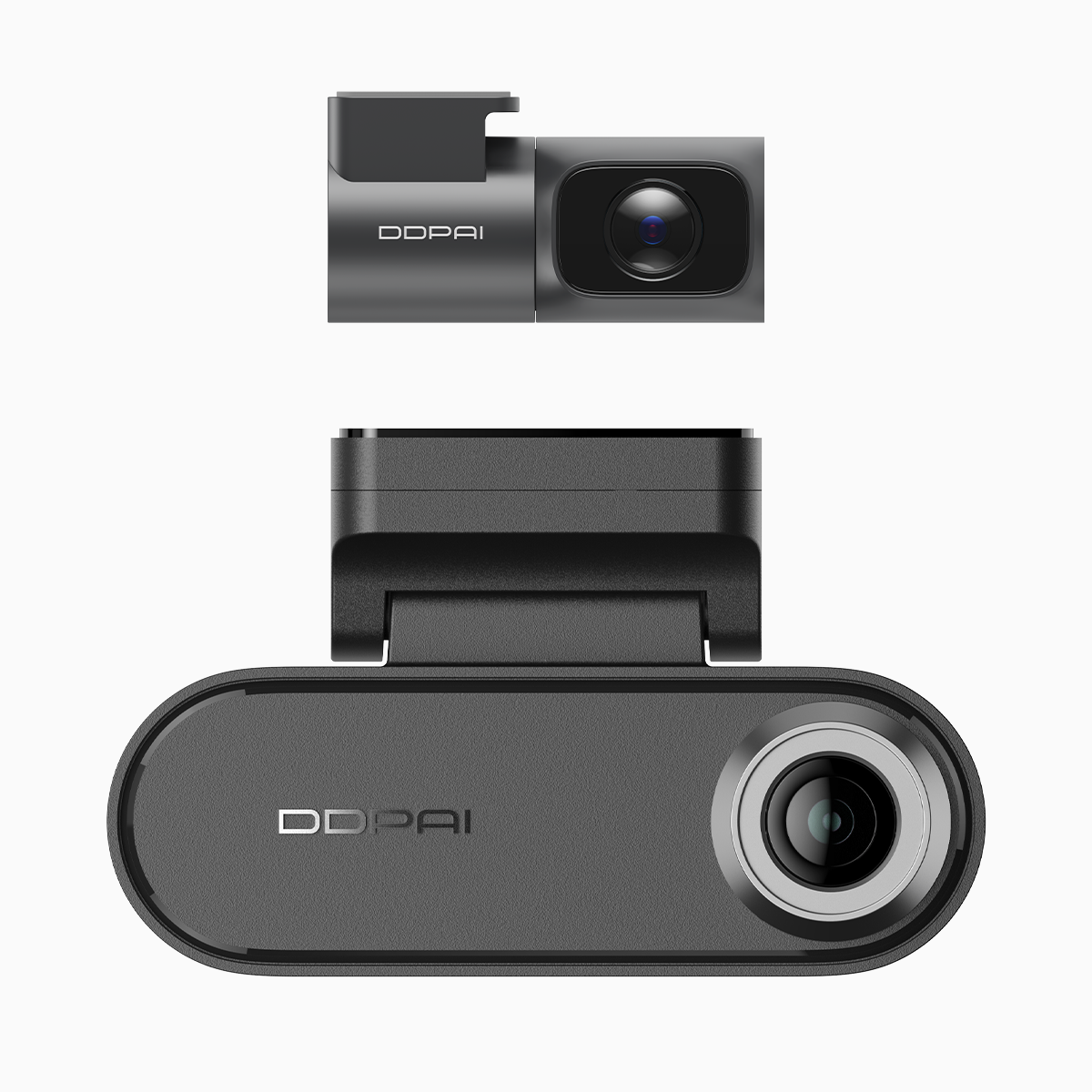
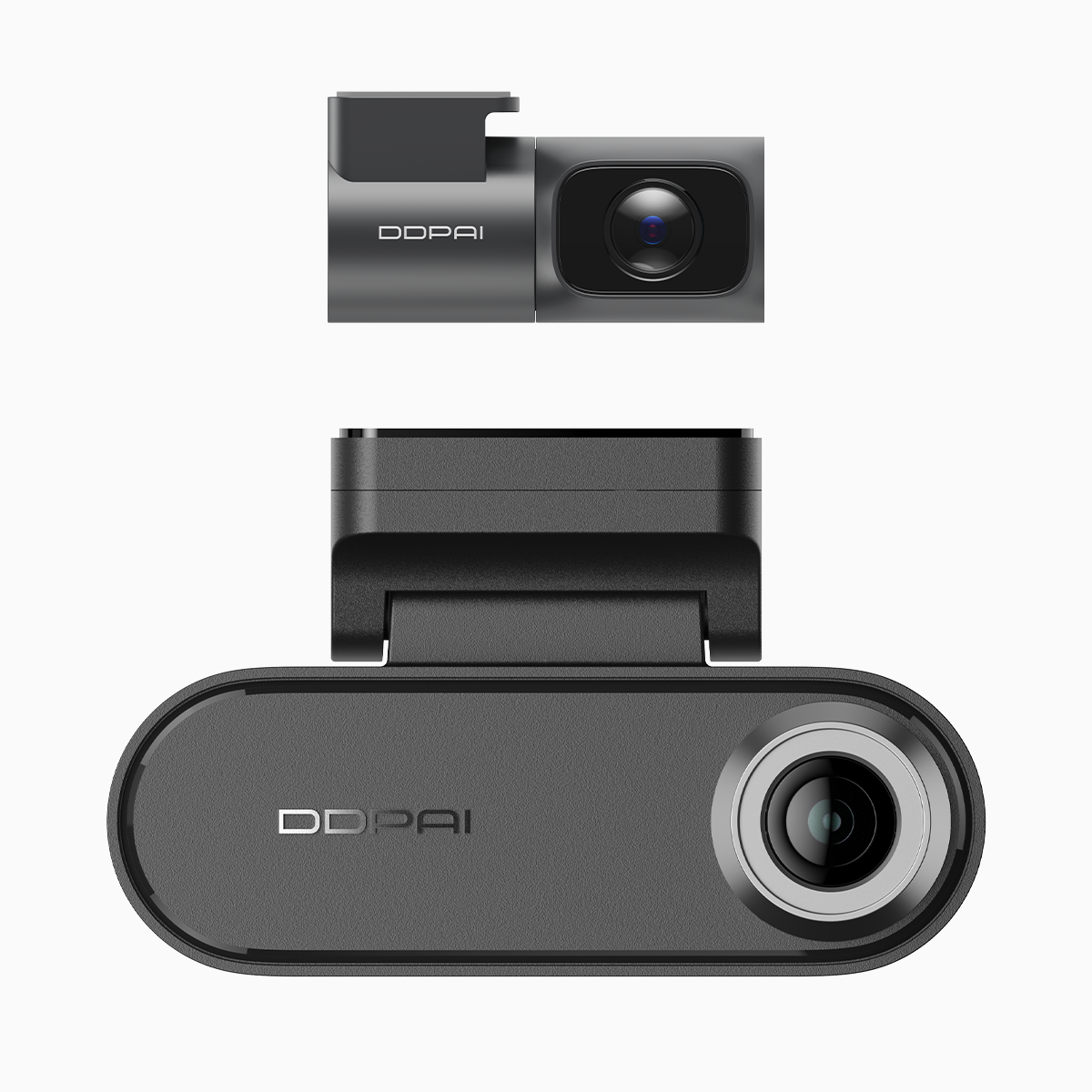
Heavy downpours during monsoon months cut visible detail and scatter light across the windshield, and that collapse in contrast is exactly where many dash cams fail. A well-chosen aperture changes how much light the sensor actually receives, which matters far more than raw megapixels when you’re recording during a storm. Practical units like the dual dash cam with parking mode combine optics and firmware choices to cope with these scenes, but understanding the core issue helps you pick the right model for Metro Manila-style monsoon driving and similar environments.

Why aperture is the core hardware decision
Aperture controls light entering the lens: a lower f-number means a wider aperture and more photons hitting the sensor per frame. That boosts low-light sensitivity and lets the camera use faster shutter speeds for reduced motion blur. But it’s not a magic fix—wider apertures reduce depth of field and can accentuate raindrop blur on the windshield, so optics and sensor design must be balanced. Industry words to note here are aperture, sensor size, and exposure—they’re the key levers that determine usable footage in downpours.
How sensor sensitivity and processing work together
Sensor sensitivity (often expressed through ISO behavior) and the image signal processor (ISP) determine usable detail when photons are scarce. Higher ISO increases brightness but also noise; modern ISPs apply noise reduction and local contrast boosts to recover detail. Dynamic range matters too: cameras with wider dynamic range retain highlights from street lights while preserving shadow detail under overcast skies. Firmware that manages exposure and white balance in wet conditions often matters more than one extra megapixel.
Practical setup and common mistakes
Mounting, windshield condition, and exposure settings are where people lose good footage. Position the camera close to the rear-view mirror to lessen windshield distortion, and keep the glass free of film and water beads with an alternating wiper or hydrophobic treatment. Avoid forcing a tiny sensor to compensate with extremely high ISO — the result is grainy, unreadable video. Models with an intelligent parking mode help too; look for a dash cam with parking mode that buffers footage and wakes on impact. If you tune exposure bias down slightly you often get crisper highlights from reflections — small tweaks yield big improvements. — Don’t overlook firmware updates; they can change exposure behavior significantly.
Common alternatives and why they differ
Low-cost cameras often use small sensors and narrow apertures, relying on software amplification. Premium units invest in larger sensors, faster glass, and multi-exposure HDR processing. The trade-offs are straightforward: physics (aperture and sensor) gives you raw capture ability; software (ISP, noise reduction) extracts the best image from that capture. If you need evidence-quality footage during severe rain, prioritize optics and sensor over extra features like UI bells and whistles.
Three golden rules for buying and tuning
1) Aperture priority: Aim for a dash cam with a wide aperture in the f/1.6–f/2.2 range to improve photon capture without extreme depth-of-field issues. 2) Sensor and processing: Prefer larger sensors and models that advertise low-light performance or HDR; those yield clearer frames at moderate ISO. 3) Parking-mode reliability: Ensure buffered parking mode, impact wake-up, and reliable power management; these functions secure footage when you’re away from the vehicle.
Evaluating footage after installation is the final test: check license plate legibility at realistic distances during a downpour and verify parking-mode clips trigger as expected. These metrics give measurable confidence that the system will perform when it counts.
DDPAI Philippines is positioned to apply these priorities in real products and support — practical, not theoretical. Trust tested optics and sensible firmware; that’s how you get usable footage in rain-soaked conditions. —