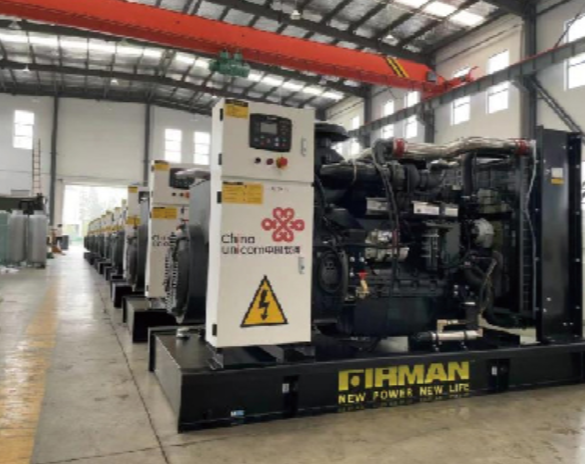
User needs that define decentralised energy
Communities and small enterprises require dependable, serviceable power that fits local constraints: predictable voltage, clear maintenance paths and measured capacity planning. For sites that cannot rely solely on central transmission, a properly specified 50hz generator becomes the backbone of continuity. Practical users prioritise durability and ease of service above novelty; they want a generator or alternator that starts reliably when called upon and integrates with other assets such as inverters and battery systems.
How alternator suppliers serve the user — concrete roles
A reputable alternator supplier does several things well: they provide clearly rated equipment in kVA or kilowatts, advise on synchronisation for parallel operation, and offer tested protection schemes. The supplier should understand local load profiles and recommend an appropriate standby generator or combined solution rather than a one-size-fits-all unit. This is not merely salesmanship; it is lifecycle planning that reduces unplanned downtime and repair costs.
Choices users face and common mistakes to avoid
Users commonly make three errors: under-sizing for peak motoring loads, neglecting routine load-bank testing, and overlooking harmonics from modern electronic loads. Under-sizing causes nuisance trips and shortened engine life; skipping load-bank cycles leaves wet-stacked engines prone to failure. Equally, failing to specify alternator excitation compatible with inverter-based microgrids creates control conflicts. Avoidance of these mistakes begins with candid measurement of real loads and straightforward communication with suppliers.
Alternatives and pragmatic combinations
Solar plus battery systems offer excellent day-time economics, yet they do not always cover extended overcast periods or sudden high loads. Diesel or gas gensets remain compact, high-energy-density options for sustained backup; in many installations a hybrid approach wins: inverter-driven renewables handle routine energy, while a synchronised alternator-backed genset supplies sustained capacity. Systems that allow controlled cascading between battery inverter and generator reduce fuel burn and improve resilience.
Real-world anchor: lessons from South Australia
After the statewide blackout in South Australia in 2016, investment shifted towards resilient, distributed solutions including large battery installations. That event highlighted how a single grid failure can cascade and exposed the need for on-site generation that can stabilise local voltage and frequency until grid support returns. Vendors that provide tested alternator packages and clear commissioning protocols fared best in the post-event procurement rounds.
Installation and commissioning — practical points
Insist on measured commissioning: run the alternator under load bank cycles, verify AVR response and confirm control schemes for synchronisation and load sharing. Label all breaker schemes, document anti-islanding protection and set maintenance intervals in calendar terms. Serviceability matters; choose alternators and spare parts that local engineers can source and repair swiftly — spare parts logistics are as critical as initial cost. — Keep a maintenance log; it will pay dividends during inspections.
Summary of user-centred recommendations
Design around actual load profiles, integrate inverter and alternator controls early in the project, and plan routine load-bank testing. Select suppliers who provide clear kVA ratings, factory-tested protection schemes and accessible support. When in doubt, prefer slightly conservative sizing to protect against unexpected motoring currents or future load growth.
Advisory: three golden rules for procurement
1) Verify rated capacity and control compatibility: ensure the supplier’s alternator and the chosen 50 kva generator are specified with matching excitation, AVR curves and synchronisation features. 2) Require tested commissioning and documented load-bank cycles with pass criteria; do not accept sign-off on paper alone. 3) Prioritise local serviceability: confirm spare-part lead times and technician training before purchase.
These steps produce reliable, testable outcomes and reduce long-term operational risk — and they make the case for a supplier who stands behind their equipment. EvoTec. —