Introduction: A Quiet Night, A Bright Idea
I once watched a small herd shift nervously under a dull bulb — the farmer sighed and said, “This has been like that for years.” Cow lighting is not just about fixtures, I tell you; it shapes behaviour, milk yield, and even health (we see it in practice). Recent studies suggest modest boosts in light can raise milk output by a few percent and calm animals faster — numbers that matter when margins are thin. So here is the scene: low light, fidgety cows, and a farmer asking how to get better results without blowing the budget. What do we change first?

I’ll share what I know from the yard and from projects I’ve helped shape. We talk about bulbs, yes, but also about simple measures that farmers often miss. The aim is practical tips you can test this week. Let’s move on and dig into where common fixes fail. — and why that matters next.
Part 2: Why Usual Fixes for cattle shed lighting Often Fall Short
Many farmers replace old lamps with brighter bulbs and hope for the best. I have seen that. It sounds sensible, but it misses some big points. For one, light quality — not just brightness — affects cows. Lux levels and the spectral mix (warm vs cool light) influence feeding times and sleep. Then there’s control: simple on/off switches ignore photoperiod control and dimming needs. Look, it’s simpler than you think when you know what to ask for, but most setups stop at “more lumens” and call it done.
Older systems also rely on mismatched hardware. A bright LED without the right LED drivers or power converters can flicker or fail early. Flicker is invisible to many people, yet it stresses livestock. And then there’s wiring — an overloaded circuit or poor ballast choices create hotspots and downtime. I’ve walked through sheds where edge computing nodes could have made control smarter, but the owner was stuck with a manual timer. That mismatch—equipment vs. real needs—is the silent leak in many projects.
What is the single most overlooked technical problem?
In my view, it’s uneven distribution of light. You can have high lux at one point and shadowed aisles elsewhere. Cows move, and their behaviour reflects that. Fix distribution first; everything else will follow more smoothly.
Part 3: New Principles for Smarter Cattle Shed Lighting
Now let me explain the technologies that genuinely shift outcomes. Start with zoned lighting: divide the barn into work zones, resting zones, and feeding zones. Use dimming sensors and photoperiod control so lights follow natural rhythms and farm tasks. I’ve specified systems where each zone had its own LED drivers and a simple controller. That reduced stress signs in animals and saved energy. The concept is straightforward — more control, less waste — and you get measurable benefits.
Then add layered control: basic timers plus adaptive sensors and optional edge computing nodes for data logging. This lets the system react to daylight, not just the clock. Practically, you can set brighter light during morning feeding and gentle light during rest. We tested setups with integrated dimming sensors and saw calmer herds and fewer slips — funny how that works, right? Using proper power converters and good wiring cuts maintenance calls. I like solutions that mix modest tech with clear benefits. They are easier to adopt on small to medium farms.
What’s Next: How to Choose and Measure Success
When picking a solution for cattle shed lighting, look at three simple metrics: energy per square meter, uniformity of lux distribution, and uptime/maintenance frequency. I recommend measuring baseline milk yield and animal movement patterns before and after installation. That gives you a clear return-on-effort picture. Also, check component quality — LED drivers and power converters are worth paying for; cheap parts cost more later.
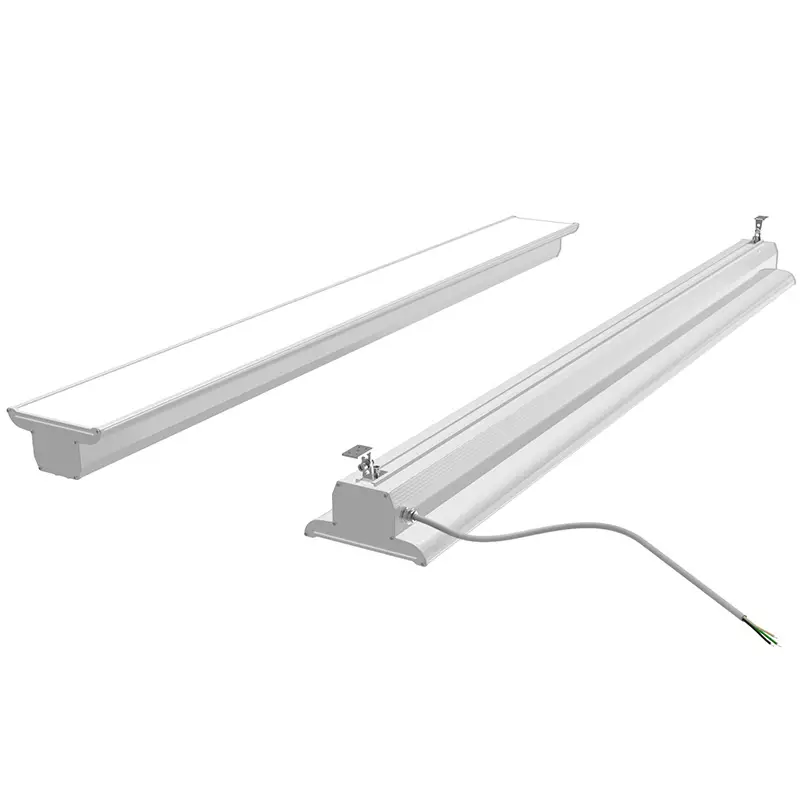
In closing, I want to be direct: start small, measure, and scale. Try one zone first, gather data, then expand. We have guided farms from patchy light to well-controlled barns, and the gains were real — calmer cows, lower bills, and fewer night-time mishaps. If you want a reliable starting place, consider brands that combine robust hardware with simple controls. For more product options, I often point people to practical suppliers like szAMB. They have pieces that match the approach I describe, and they keep things straightforward for farmers who prefer less fuss and more results.