Introduction: scenario, data, and the question
Have you ever planned an experiment only to hit a technical roadblock at the last minute? I have — and that moment taught me more than months of reading. Neuro research often promises precise control of behavior through light, but published replication rates tell a different story: many labs report variable outcomes and long setup times. What does that variability mean for reproducibility and for the choices we make when buying an optogenetic system? (I want to be practical; I also want us to be rigorous.)
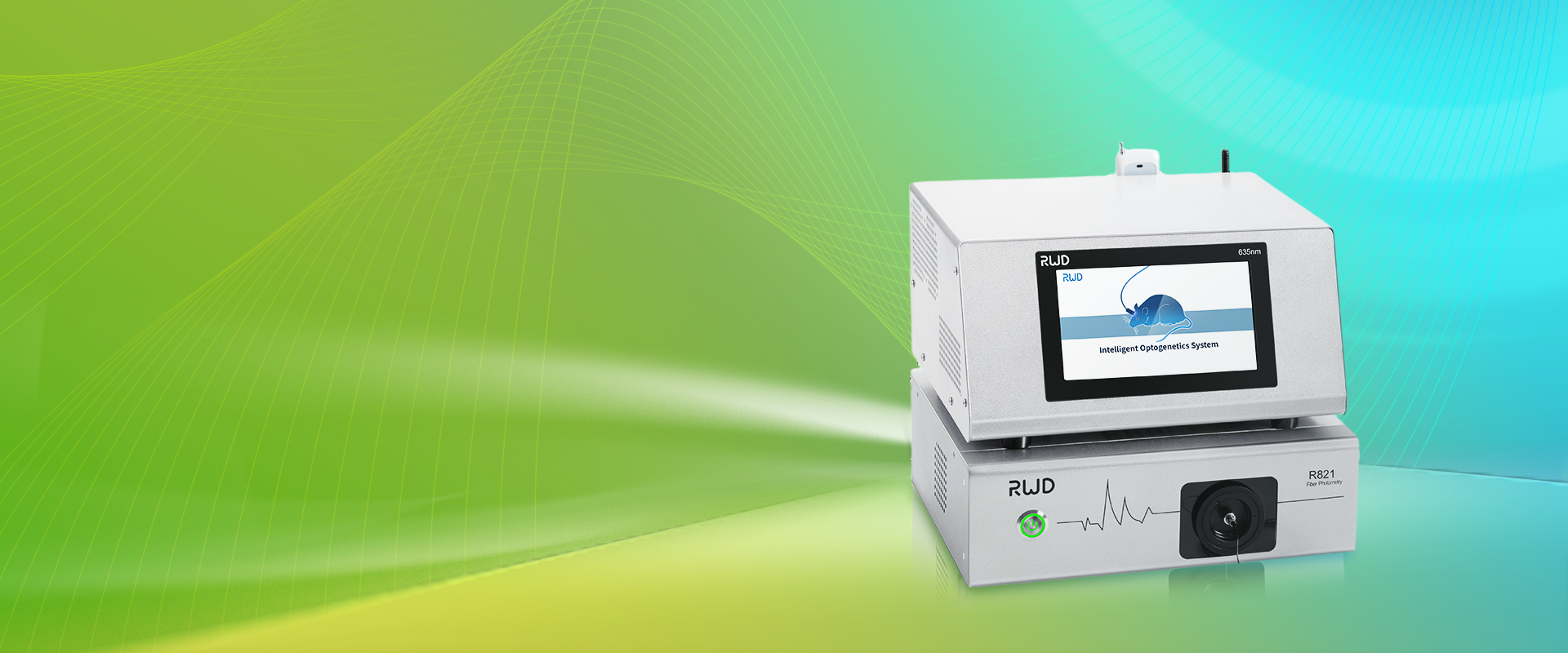
The context is clear. Studies using optogenetic approaches to probe neural circuits hinge on several linked components: viral vectors, light delivery, stimulation protocols. Data from method surveys show that differences in any one component can shift results. So I ask: how should a lab weigh trade-offs between ease of use, control fidelity, and downstream data quality? This piece will compare key factors and guide a pragmatic choice. Next, I will examine where standard solutions often fail — and why that matters for your experiments.
Part 2 — Technical look: where traditional solutions fail
optogenetic system implementations often feel straightforward on paper. In practice, I find recurring technical gaps that undermine experiments. First, light delivery via bulky fiber optics can introduce motion artifacts and uneven photostimulation. Second, viral vectors vary in expression levels across animals, which complicates group comparisons. Third, control electronics (LED drivers, timing controllers) sometimes lack the microsecond precision needed for high-frequency protocols. These are not minor annoyances — they alter the activation of opsins and the downstream readout of neural activity.
Look, it’s simpler than you think to underestimate these issues. When I troubleshoot, I look at three layers: hardware alignment, biological variability, and signal timing. Hardware alignment suffers from mechanical drift; the fiber can shift with animal movement, and that changes effective irradiance. Biological variability is noisy: different injection depths, promoter activity, and opsin kinetics create heterogeneity. Signal timing errors (jitter in pulse trains) then distort temporal patterns critical to causal inference. Together, these flaws produce inconsistent photostimulation and reduce statistical power — funny how that works, right?
Why should you care?
Because each flaw affects replication and interpretation. If I cannot ensure consistent light dose and timing, I cannot trust behavioral correlations. If expression is variable, group effects get diluted. And if control electronics add jitter, temporal conclusions about circuit function become suspect. These are not abstract concerns; they change how experiments are designed, how many animals you need, and — ultimately — whether a study convinces peer reviewers.
Part 3 — New technology principles and a forward-looking comparison
Moving forward, I prefer to evaluate solutions on technical principles rather than on brand promises. The next wave of optogenetic systems emphasizes modular light delivery, closed-loop timing, and calibrated expression controls. Modular light delivery means interchangeable fiber and implant options that reduce motion artifacts. Closed-loop timing uses feedback from sensors to correct jitter in real time. Calibrated expression leverages standardized viral constructs and quantification pipelines so you get predictable opsin levels across cohorts. When I compare options, these principles help me separate marketing from real capability.
What’s Next — real improvements will combine hardware and biological standards. For example, integrating low-noise LED drivers with miniaturized lenses can deliver consistent irradiance even when the animal moves. Pair that with standardized viral titers and expression checks, and you reduce variability upstream. I expect systems that implement real-time photometry feedback to become common; they will monitor light delivery and adjust intensity on the fly. These advances cut down on repeated surgeries and excessive cohort sizes (and — yes — they save time and cost). I’m cautiously optimistic here. The tech seems promising, but adoption will depend on ease of integration and cost.
Evaluation metrics: how I choose a system
When I recommend a platform to colleagues, I focus on three metrics you can test yourself: 1) Temporal fidelity — measure pulse jitter and rise/fall times of the LED driver. 2) Dose consistency — quantify irradiance at the target with and without movement. 3) Expression reproducibility — run small pilot cohorts and track opsin expression variance. These metrics are practical and measurable. Use them, and you’ll avoid choices based on brochure language alone.
To wrap up, I’ve walked through the common failure points and the technical principles that matter for modern optogenetic experiments. I want you to feel confident testing systems rather than accepting specifications at face value. If you ask me, the best investments are those that reduce variability early — in light delivery and expression control — because that pays dividends in reproducible data and cleaner interpretation. For tools and options that align with these priorities, I often point teams toward curated suppliers like BPLabLine. They won’t substitute for careful pilot work, but the right platform makes the work far more reliable.