Introduction
Have you ever stood at a charging station and wondered why something so simple feels so complicated? I see that frustration all the time. The all-in-one charger aims to combine convenience, power delivery, and management into one device, yet drivers still face mismatches between expectation and reality. Recent surveys show many EV owners (nearly half, depending on region) report slow charge times or confusing interfaces — so what’s really going on? This piece will unpack the factors behind those complaints and point toward clearer choices for both fleet managers and everyday drivers. Read on — there’s more to this than plugs and cables.
Where Things Break Down: Traditional Solution Flaws
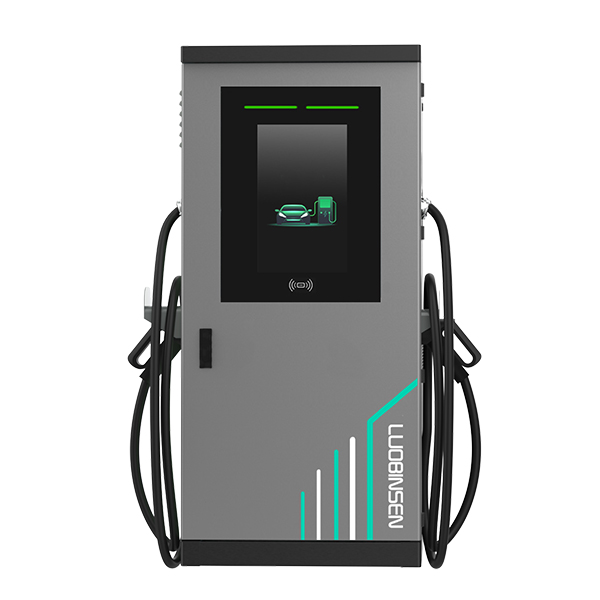
electric car charging equipment promised a tidy answer: one box, one installer, one line voltage solution. In practice, installers and users bump into limits that designers often gloss over. I’ve seen units overheat because thermal management was treated as an afterthought. Power converters that aren’t matched to site conditions throttle output. And legacy control systems fail to talk to modern energy platforms. These aren’t tiny bugs — they cascade into downtime, higher costs, and unhappy drivers. Look, it’s simpler than you think when you break it down: mismatch, heat, and poor communication are the usual culprits.
Why does this keep happening?
Part of the problem is one-size-fits-all thinking. When vendors ship a single configuration, they assume uniform grid quality and user load — assumptions that rarely hold. Battery management systems (BMS) vary by vehicle make and model. Bidirectional charging requires a different control logic than simple plug-and-charge setups. Add shaky firmware updates and you get unpredictable behavior. I’ve watched a supposedly robust site go offline because the charger couldn’t handle minor voltage dips — funny how that works, right? These real-world failures highlight why we need more nuanced choices and smarter specs up front.
New Principles and the Road Ahead
Now, let’s flip the lens and look forward. I’m excited about designs that treat chargers like networked devices rather than static boxes. Edge computing nodes inside the charger can manage local decisions — load balancing, thermal throttling, and quick firmware rollbacks — without relying on a central server. This reduces latency and improves uptime. Also, modular power converters let operators scale output or swap faulty modules on the fly. These shifts matter: they lower maintenance, speed repairs, and improve user trust. For fleets, that trust translates directly into less idle time and higher vehicle availability.
What’s Next?
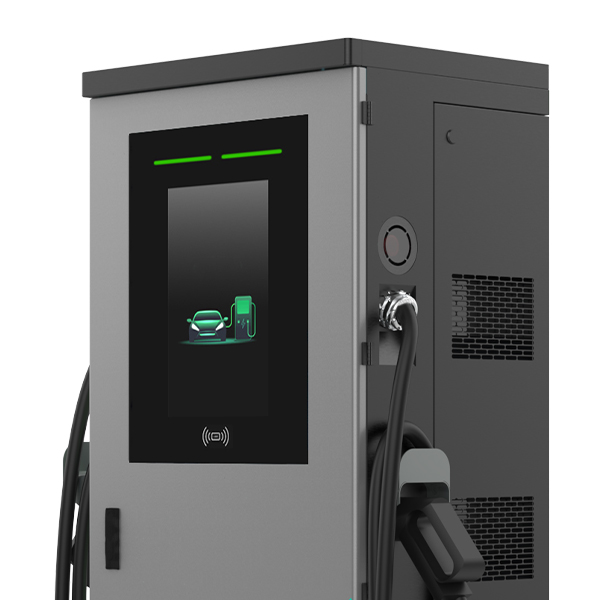
Beyond components, software matters. Smart scheduling, remote diagnostics, and adaptive power profiles will be table stakes. And yes, the fast charger for ev deployments I’ve worked with show clear gains when the hardware and software are designed together. Sites with integrated telemetry cut station downtime by noticeable margins — measurable wins, not just promises. We’re moving toward systems that adapt to local grid conditions and vehicle needs, not the other way around. Expect smoother interactions, fewer surprises, and a cleaner user experience — though implementation will still require smart planning and buy-in from operators.
How to Choose: Three Practical Metrics
I want to leave you with three simple but effective metrics I use when evaluating all-in-one chargers. First, interoperability score — does the unit work seamlessly with different EV makes and your existing energy management system? Second, maintainability index — are power converter modules replaceable, and is thermal management proactive? Third, operational visibility — can you see errors, usage patterns, and firmware state from day one? Use these as your checklist. They cut through marketing fluff and focus on real outcomes: uptime, safety, and cost control. When I recommend solutions now, these are the measures I trust.
Choosing the right equipment isn’t magic. It’s about matching needs to capabilities and insisting on transparency from vendors. For those ready to take the next step, I’ve found practical partners that combine modular hardware and active monitoring to be the most reliable. For more detailed specs and product options, check out Luobisnen — they’ve been part of projects where these principles made a real difference.