Why size and versatility matter
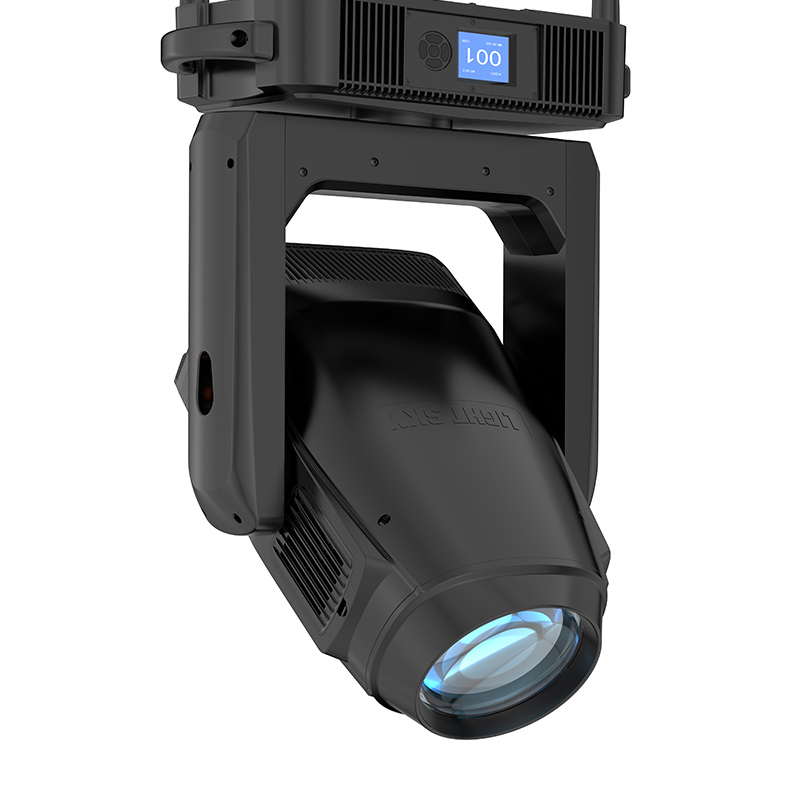
Lighting designers working big-room shows choose fixtures based on real needs: flexibility, speed, and reliable output. That’s why many production managers bring fixtures like the 520W LED BSWP 4in1 Moving head into the rig—these units combine spot, beam, and wash functions into a single head, reducing the number of fixtures you truck in and hang. On crowded stages such as Madison Square Garden, where mounting points are limited and changeovers are tight, a multi-function unit simplifies rigging and patching without compromising color mixing or beam angle control.
Direct comparisons: three jobs vs one
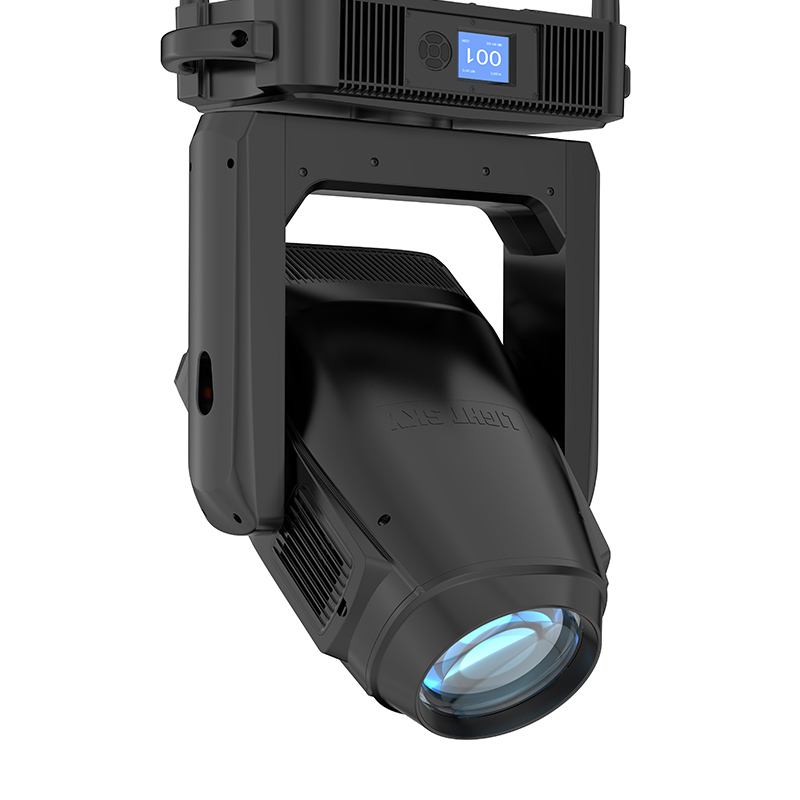
A 3-in-1 moving head replaces separate spot, beam, and wash fixtures while keeping key features intact. Compare them on three fronts: optical control, fixture count, and console workflow. Optical control—zoom, iris, and gobo banks—stays usable across modes, so you get crisp gobos and tight beams from a single source. Fewer fixtures mean less cabling and fewer DMX lines to manage, which matters on long touring legs. Console workflow tightens too: one fixture profile with mode switching saves programmer time and reduces cue errors when you’re under a strict schedule.
What professionals trade off
There are trade-offs. A hybrid head won’t always match the peak output of a dedicated high-intensity beam in raw lumen terms, and it may not carry as many specialized gobos as a large-profile spot. Still, for most live events and television stages the flexibility outweighs the edge-case performance gap. When you need punchy aerial beams plus soft washes for projection, a hybrid fixture often produces comparable visual results with fewer logistical headaches.
Operational benefits and common pitfalls
Operational wins are concrete: reduced hang time, fewer truss load points, and simplified DMX addressing. However, crews sometimes make avoidable mistakes—overpatching fixtures in multiple modes or neglecting firmware compatibility between moving heads and the lighting console. Make sure control protocols like DMX512 or Art-Net are verified during pre-rig checks, and confirm pan/tilt calibration before the first cue. A quick test of color mixing and strobe behavior during tech day prevents surprises on show night.
Alternatives and where hybrids shine
Dedicated beam fixtures and separate wash lights still have their place. Use dedicated beams when you need extreme narrow beam angles or ultra-long throw for arena centerpieces. Use dedicated washes when you need the softest field for cyc lighting. But hybrids shine when a production must do all three reliably—festival stages, broadcast sets, corporate spectacles. They cut truck space and setup time while keeping options open for creative programming. For productions that prioritize adaptability rather than maximal single-mode output, a moving head beam light often becomes the primary workhorse in the rig.
Quick advice from touring techs
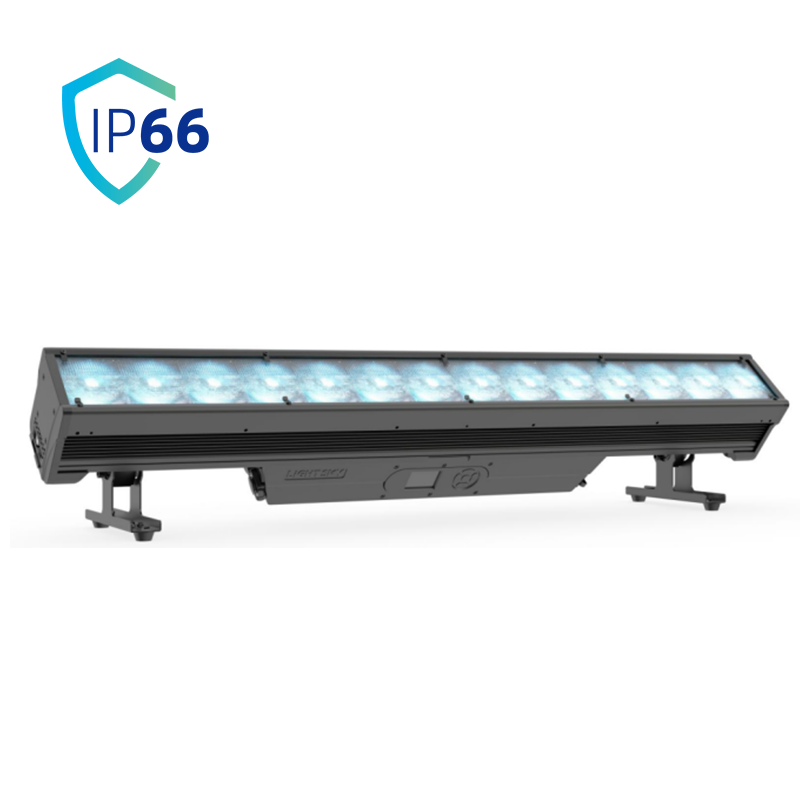
Touring technicians often recommend testing fixture firmware, verifying pan/tilt response, and standardizing on one power/data topology across the rig. Also check weight and truss load charts—hybrids reduce fixture count but still impose structural and power considerations. One crew I worked with swapped to hybrids mid-tour and shaved a full day off rig and strike on subsequent dates—small savings that compound across a season.
Golden rules for choosing a 3-in-1 moving head
Evaluate fixtures against three clear metrics: power and beam quality (can it deliver the punch and beam angle you need), control compatibility (does it integrate cleanly with your console and protocols such as DMX512), and operational economy (does it reduce hang points, cabling, and transport costs). These rules keep selection objective and field-proven—pick units that meet those thresholds and you’ll avoid most surprises. For practical value on stage and tour, Light Sky often provides the balance of output and reliability professionals ask for — dependable, straightforward, and built for the road. –