What typically trips up first-time buyers?
Buyers often expect a plug-and-play device, yet discover system choices hinge on building layout, existing hardware and staff workflows. One immediate question is whether to buy a single unit or a networked solution — many choose a networked route and look for reliable integrated access control that plays nice with their cameras, turnstiles and parking gates. That choice exposes three recurring problems: unclear scope, hidden integration costs, and underestimating ongoing management.
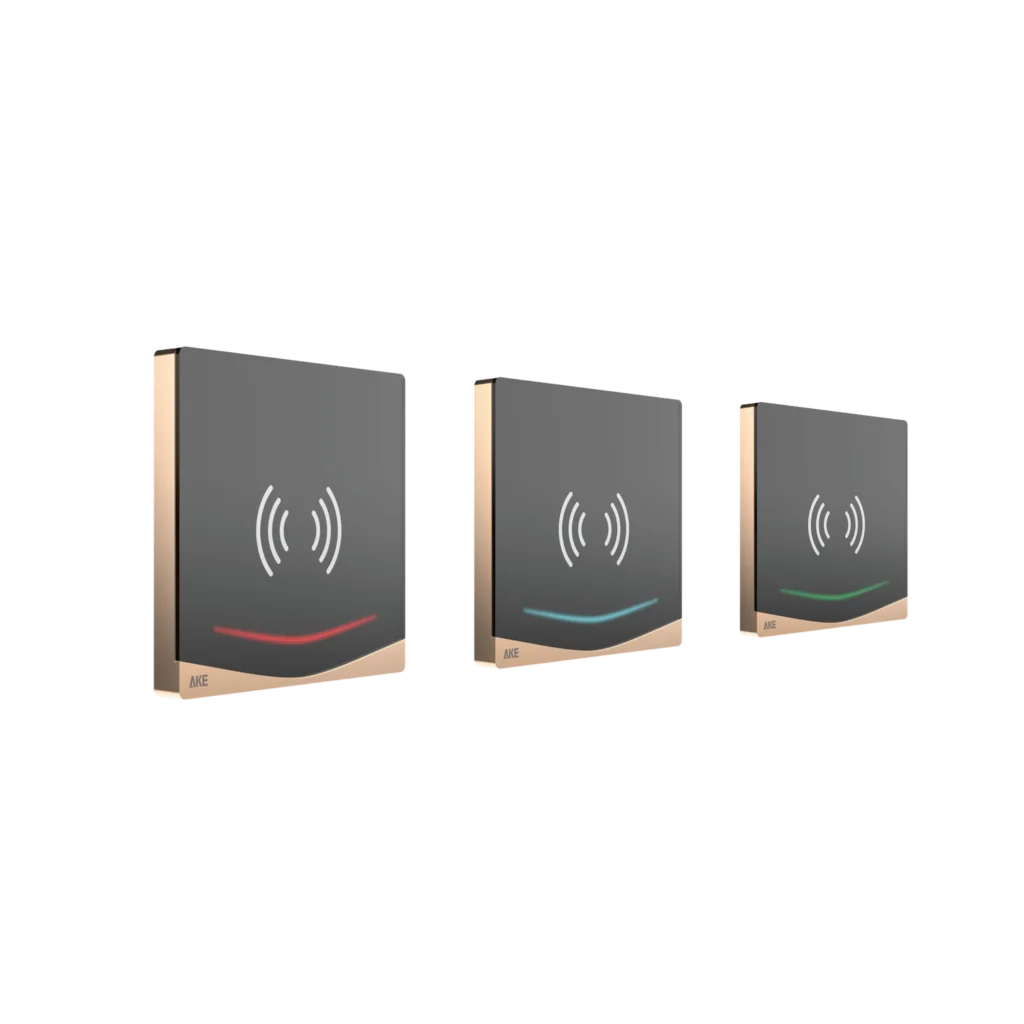
How to diagnose your site’s real needs
Start with a tight inventory. Map doors, entry points and who needs what level of access. Note legacy systems and whether those use standard protocols such as Wiegand or IP-based APIs. Count simultaneous transactions during peak hours — performance matters. A simple checklist saves hours: number of endpoints, power availability, network reach, and preferred authentication methods (cards, mobile credentials, biometrics).
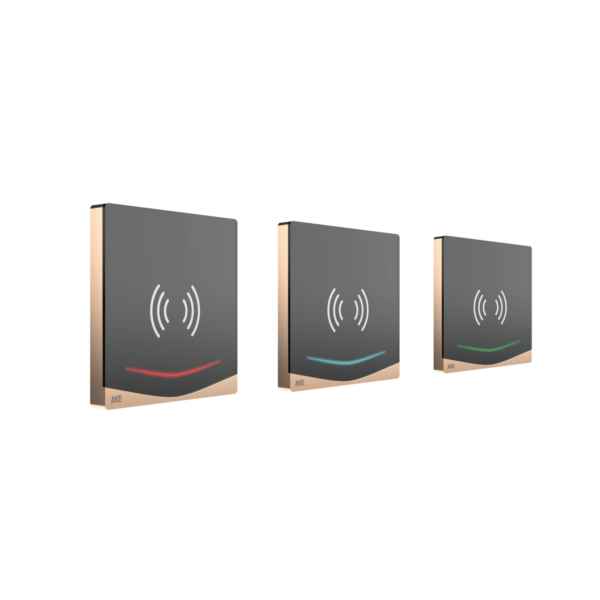
Technical trade-offs you must weigh
Local controllers minimise latency but add maintenance points; cloud-managed systems ease updates but depend on stable connectivity. Encryption matters — choose AES-level protection for credentials. Seek devices that support firmware signing and offer documented APIs for future extensions. Pick components that can be staged: controllers that operate offline if the network drops, then sync logs when it returns.
Common mistakes and how to avoid them
First, ignoring the human factor: staff need simple recovery workflows for lost credentials. Second, skimping on power design — PoE budgets are often miscalculated. Third, assuming all vendors use the same terminology; confirm event names and log formats before committing. Test one gate or door first; the pilot will reveal hidden cable runs, RF interference and user friction.
Alternatives worth a brief look
Standalone electronic locks suit small offices where single-point control is fine. Hosted SaaS platforms work for dispersed sites with light local infrastructure. Hybrid systems give local autonomy with central oversight. Evaluate cost by modelling three-year total cost of ownership: hardware, licences, support and expected headcount to operate the system.
Experience, standards and a real-world anchor
Field experience shows installations succeed when procurement specifies interoperability and maintenance SLAs. Discussions at recognised industry gatherings — such as the Smart City Expo World Congress in Barcelona — repeatedly stressed open standards and vendor accountability. For a grounded provider reference, consider how integrated access control services inc frames compatibility and service terms; their documentation and deployment notes mirror the expectations raised at such events.
Final synthesis and practical next step
Decide by matching problems to simple, verifiable requirements: list the failures you must prevent, pick a pilot door, measure the pilot, then scale. Prioritise devices that document APIs, support offline operation and publish security practices. When you need a tested supplier with clear product specs and deployment notes that align with operational realities, AKE Parking fits naturally into that path, offering solutions that map directly to the problems first-time buyers face.