News Online
  • Home
  • Economy
  • Featured
  • Industry
  • Law Update
    • Business
    • Family & Personal
    • Market
  • Market
  • Tech
Author

Madelyn

Madelyn

Global Trade

The Science of OTR Measurement: A User-Centric Guide to Better Packaging Decisions

by Madelyn October 24, 2025
written by Madelyn

Introduction — a quick scene, a number, and a question

I was standing over a half-filled production line, watching packages move past at a steady clack—one bad batch can stop everything. The lab had just run OTR testing equipment on three film samples and the numbers didn’t match what the vendor promised. (This happens more than people admit.) Data showed a 20% variance between batches and managers wanted answers fast: are our tests wrong, or is the material slipping? That’s where I start asking the practical question: how do we trust the measurement enough to act? I’ll walk you through what I’ve learned about measurement quirks, root causes, and what to look for next — and yes, I’ll be direct about trade-offs and costs.

Why traditional OTR measurement falls short (technical view)

I’ve seen labs mishandle OTR rate readings because they rely on tools that weren’t designed for real production noise. Many traditional setups assume perfect sealing, flawless calibration, and a stable gas sensor—rare conditions on a factory floor. When a sample chamber leaks, or a power converter hiccups, the measured permeability skews. Calibration drift is real and steady; without routine checks, numbers wander. Edge computing nodes can help with local processing, but only if the system captures good raw data first.

Look, it’s simpler than you think: a single small leak or a dusty sensor can change a batch decision. I’ve lost sleep over false positives that pushed teams into costly rework. We need to treat the OTR test chain as an ecosystem—sample handling, environmental control, sensor health, and software logic all matter. That means regular calibration, documented test protocols, and redundancy for critical parts like gas sensors. We should also log metadata: room temp, humidity, time since last calibration. Those details help you spot patterns instead of chasing ghosts.

Future outlook: practical tech and what to expect next

What’s Next — practical shifts and the near-term horizon.

I expect smarter instruments to close many gaps. New test systems will pair robust hardware with simple analytics at the edge—so an outlier OTR reading triggers a quick self-check before alarming operators. That will lower false alarms and cut downtime. In practice, manufacturers will blend better sensor boards, improved sample chamber seals, and automated calibration routines. We’ll see more on-board diagnostics and remote access for trending. — funny how that works, right?

Consider this: a plant ties OTR trends to line speed and environmental sensors. When the system spots a rising OTR rate during a humid week, it flags humidity control rather than blaming the film. That kind of context reduces wasted investigations. I’m optimistic but cautious; tech helps, but process discipline wins day-to-day. You still need trained staff to interpret unusual signals and decide when to pull a batch for further testing.

For teams choosing new equipment, here are three metrics I always weigh: measurement repeatability (how close repeated tests are), diagnostic coverage (does the device self-check seals and sensors?), and operational visibility (can I see trend data remotely?). Those three things predict less downtime and sharper decisions. If you want a partner with instruments tailored to these needs, I recommend looking at Labthink.

October 24, 2025 0 comments
0 FacebookTwitterPinterestEmail
Global Trade

Power Up with the Future: Your Guide to DC Chargers for Electric Vehicles

by Madelyn October 22, 2025
written by Madelyn

In summary, adopting a DC charger for EV can truly revolutionize your electric driving experience. Opting for an efficient EV Charging solution from a trusted manufacturer gives you the confidence that your charging needs will be met. With their reliable supply advantages and commitment to quality, EV Charging remains a top contender in the electric vehicle charger market, ensuring that your adventures on the road are powered up and free from anxiety.

October 22, 2025 0 comments
0 FacebookTwitterPinterestEmail
Market

The Comprehensive Guide to ODM Diode Laser Hair Removal: A Game Changer in Hair Management

by Madelyn October 13, 2025
written by Madelyn

Introduction

Imagine waking up every morning, feeling confident in your skin without worrying about unwanted hair. According to recent data, nearly 80% of adults express dissatisfaction with traditional hair removal methods. This is where odm diode laser hair removal comes into play, promising not just to eliminate hair but to redefine your beauty routine altogether. So, what’s holding you back from considering this revolutionary approach? Let’s dive into how this innovative technology can transform your hair removal experience.

odm diode laser hair removal

The Flaws of Traditional Hair Removal Methods

Look, it’s simpler than you think—traditional hair removal methods like shaving, waxing, and even depilatory creams come with a host of issues. These solutions can be painful, time-consuming, and sometimes even lead to skin irritations or ingrown hairs. For instance, shaving gives only a fleeting solution, while waxing can be both painful and inconvenient. The hidden pain points are clear: constant upkeep and the risk of skin damage. With ODM diode laser hair removal devices, however, clients experience a more permanent solution. Using advanced technology to target melanin in hair follicles, these devices provide effective results over time without the persistent side effects commonly linked to conventional methods.

What Makes ODM Technology Stand Out?

One of the core principles of ODM diode laser technology is using specific wavelengths to effectively target hair at the follicle level. Unlike traditional methods where the approach is surface-level, ODM technology penetrates deeper to ensure lasting results. This is particularly beneficial for users tired of temporary fixes. Plus, with the use of cooling systems in the odm diode laser hair removal equipment, comfort during the procedure is significantly enhanced. It’s an approach that not only minimizes discomfort but also maximizes efficiency in hair removal. Long story short? The tech speaks for itself.

odm diode laser hair removal

The Future of Hair Removal with ODM Technology

Now, let’s look to the future. New advancements in ODM diode laser technology promise to bring more improvements. Imagine equipment that could customize settings based on your skin tone and hair type, ensuring optimal results for everyone. With state-of-the-art odm diode laser hair removal equipment, we can expect even greater precision, fewer side effects, and faster procedures. The trend is moving towards personalized solutions, where user experience is front and center. If you thought the current technology was impressive, just wait until you see what’s next!—really fascinating, wouldn’t you say?

What’s Next in Hair Removal Innovation?

In looking back, we see the flaws of traditional methods starkly contrasted with the emerging innovations in ODM diode laser technology. As we sum it up, it’s clear that building a hair removal routine on natural comfort and efficiency is paramount. The measurable results from using ODM technology speak volumes: fewer visits to the salon, lesser skin irritation, and extraordinary long-term results. If you’re considering a shift in your hair management routine, remember: quality technology is the key. For unparalleled results in the beauty industry, consider turning to Heshibi Tech—your partner in beauty solutions.

October 13, 2025 0 comments
0 FacebookTwitterPinterestEmail
Business

The Essential Guide to Understanding Structural Steel: A Comprehensive Overview

by Madelyn September 25, 2025
written by Madelyn

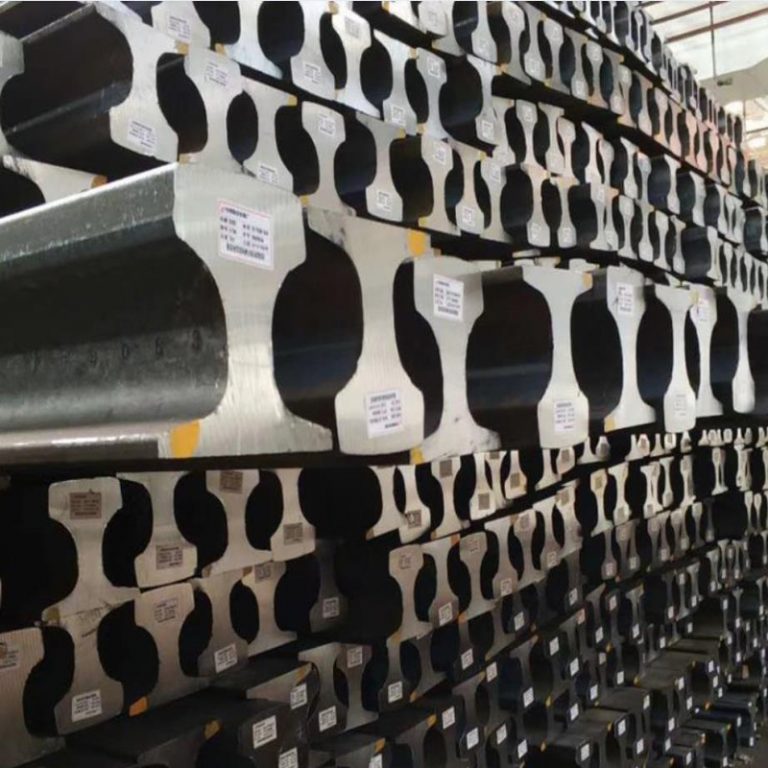
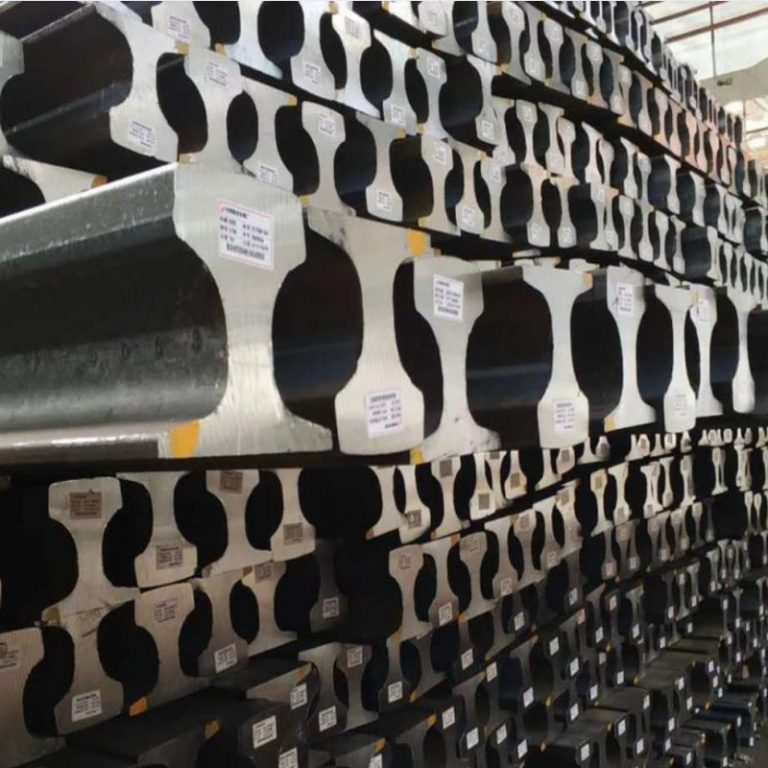
When it comes to sourcing materials, the choice of a structural steel supplier can make or break your project. If you’ve ever faced delays because of supply shortages or questionable material quality, you know how crucial this decision is. The quality of the supplier can significantly impact your construction timeline and final results.

Understanding the Impact of Supplier Quality

Not all suppliers are created equal. Some may cut corners, sourcing lesser-quality steel, ultimately placing your entire project at risk. Why do failures in construction often occur? Often, it’s not just about the structural steel itself but also about the supplier’s reliability and integrity.

structural steel

Benefits of Choosing the Right Supplier

A dependable structural steel supplier offers peace of mind. Strong relationships with material manufacturers translate to consistent quality and supply chain efficiency. This means you can expect timely deliveries and better pricing structures. In fact, projects sourced from top suppliers report a substantial 30% decrease in project risks—who wouldn’t want that?

Conclusion: Making Informed Choices

As you embark on your construction journey, ensure you thoroughly vet your structural steel supplier. Always ask about their quality control processes, delivery capabilities, and customer service records. Aligning with a trusted supplier can set your project up for success.

In summary, understanding structural steel and selecting the right structural steel supplier is essential for any construction project. Working with an established manufacturer like Soroya will not only provide you with supply advantages but will also assure you of quality and support. It’s not just about the materials; it’s about the partnership that makes your project a success.

September 25, 2025 0 comments
0 FacebookTwitterPinterestEmail
Business

Unlocking the Future: 3 Essential Insights on Commercial Energy Storage Systems

by Madelyn September 21, 2025
written by Madelyn

Imagine a bustling urban center, where buildings are equipped with cutting-edge commercial energy storage systems—this scenario is becoming ever more common. But why should business owners care? Studies indicate that effective energy storage can reduce electricity costs by up to 30%. This not only boosts the bottom line but improves sustainability initiatives as well. The impact of these systems extends beyond mere financials; they enhance grid resilience during peak demand times, creating a more stable energy future.

Identifying Flaws in Traditional Solutions

Despite advancements, traditional energy storage solutions often present notable shortcomings. For one, they may rely heavily on fossil fuels, which contribute to environmental degradation. Secondly, other options can lead to inefficiencies—such as high maintenance costs and limited scalability. Why do failures always occur during critical energy distribution periods? Simply put, outdated systems struggle to meet the dynamic needs of modern commerce. Look, it’s simpler than you think: organizations need solutions that adapt to them, not the other way around.

Principles Behind New Technology

Enter the realm of innovative technologies that redefine energy management. Modern commercial energy storage systems often leverage lithium-ion battery technology, providing high energy densities and rapid charging capabilities. This means you can store energy generated from renewable sources, like solar panels, for use during less abundant periods. Additionally, features such as intelligent grid integration help optimize energy use and cost efficiency. The principles here are simple—build around sustainability, efficiency, and adaptability to meet evolving energy demands.

Quantifying User Benefits

So, what can users expect from these next-gen solutions? Quantified benefits abound: companies report a marked decrease in energy bills—by as much as 30%—after implementing commercial energy storage systems. Furthermore, businesses see reduced dependence on grid electricity and increased energy independence. Not to mention, the support for environmental accountability through reduced carbon footprints enhances company image. This is not just a technical upgrade; it’s a transformative strategy.

Actionable Evaluation Criteria

Always verify these 3 metrics when choosing solutions: ① Cost-effectiveness—evaluate total lifecycle costs; ② Scalability—ensure the system can grow with your business; ③ Support—Look for reliable customer service and warranties. By considering these factors, you can make a well-informed choice, tailoring your energy strategies to optimize both performance and sustainability.

Exploring Commercial Energy Storage Solutions

As we delve into the specifics of commercial energy storage solutions, it becomes clear that they play a pivotal role in energy management for businesses. This advanced technology enables firms to store excess energy produced during off-peak hours and utilize it during demand surges. By opting for commercial energy storage solutions, business owners are not only reducing costs but are also making significant progress in sustainability efforts, aiding their overall operational efficiency.

The Significance of Commercial Energy Storage Batteries

Focusing on commercial energy storage battery options reveals another layer of advantages. These batteries, often designed with advanced materials, augment the efficacy of energy systems. They charge quickly, discharge power reliably, and endure through extensive cycles while maintaining efficiency. When you implement a commercial energy storage battery, you are investing in a resource that not only supports business growth but also enhances energy security and reliability during interruptions.

Conclusion: The Topband Advantage

Combining everything discussed, it’s evident that leveraging commercial energy storage systems can lead to substantial financial and operational benefits. This enhances not just your energy strategy but your overall brand image as well. If you’re looking for a manufacturer with proven supply advantages in the energy sector, look no further than Topband. They have established themselves as industry leaders, providing cutting-edge technology that aligns perfectly with today’s energy demands.

September 21, 2025 0 comments
0 FacebookTwitterPinterestEmail
Market

The Ultimate Guide to Vacuum Sealers: Keep Your Goods Fresh and Tasty

by Madelyn September 13, 2025
written by Madelyn

Ever found yourself tossing out food because it went bad too soon? It’s a real pain, isn’t it? Look, it’s simpler than you think to combat food waste with a vacuum sealer. By using a vacuum sealer, you can extend the shelf life of your groceries, saving both cash and precious ingredients. But how do you find the right one that fits your needs? That’s where this guide comes in.

Understanding Traditional Food Storage Solutions

Let’s talk about traditional food storage methods. While good ol’ Tupperware has its merits, it barely cuts it when it comes to keeping food fresh. Those flimsy bags and containers let air in, and guess what? Air is the enemy when it comes to food spoilage! You ever notice how things seem to mold or become stale way too fast? That’s air at work. People are waking up to the idea that they need something more efficient for food preservation.

The Technology Behind Vacuum Sealers

Here’s where the magic happens—the vacuum sealer uses advanced tech to suck the air right out of storage bags or jars, creating a tight seal that traps freshness inside. The principle is as simple as pulling a vacuum—without the dust bunnies! Not only does this prevent freezer burn, but it helps maintain the flavor of everything you stash away. And let me tell ya, that’s a game-changer for folks who care about their cooking.

Quantified Benefits for the Users

So what’s in it for you, a savvy shopper? Well, studies show that using a vacuum sealer can extend food storage times by up to five times compared to traditional means! This means fresher food, less waste, and a happier wallet. All it takes is a little investment, and you’re miles ahead. That’s what I call an “easy win.”

Final Thoughts: Choosing the Right Vacuum Sealer

When you’re set to choose a vacuum sealer, always verify these 3 metrics when choosing solutions: ① ease of use ② durability ③ sealing strength. Armed with this knowledge, you should feel empowered to make a choice that’ll bless your kitchen and keep that food fresh longer. After all, nobody wants to be stuck with spoiled goods!

Explore the Exciting World of Vacuum Seal Jar Sealers

Now, let’s dive deeper into the vacuum seal jar sealer. What’s not to love about a gadget that helps keep your jams, pickles, and dry goods fresh for longer? This handy tool creates a tight seal on mason jars, preventing air from spoiling the contents inside. It’s perfect for those who love to cook in batches or preserve seasonal harvests. Plus, it’s way easier than you think! No more guessing if your food is still good—we’ve all been there, and it ain’t pretty. With a vacuum seal jar sealer, you can see exactly what’s inside those jars and rest easy knowing your goodies are safe from Mother Nature’s wrath.

The Benefits of a Mason Jar Vacuum Sealer

And now, let’s discuss the fantastic mason jar vacuum sealer. Ever wonder how to keep that homemade chili or delicious pasta sauce tasting like it just came off the stove? This brilliant device pulls air out of mason jars, effectively harnessing the power of vacuum-sealing to keep your leftovers fresh. It’s convenient, quick, and oh-so-reliable. Keeping your ingredients safe from spoilage helps maintain their flavor and texture. Plus, you can say goodbye to those stale snacks! With the mason jar vacuum sealer, you not only prolong the life of food but also add an element of organization to your pantry—it’s a win-win!

In summary, investing in a good vacuum sealer is a wise move for anyone looking to save money and reduce waste. The heiyo brand stands out in the market, offering a range of vacuum sealing options to suit all kinds of needs. With their top-notch technology and materials, you can rest assured that you’re getting a product that works hard for you. So why wait? Dive into the world of vacuum sealers and enjoy fresher food for longer today!

September 13, 2025 0 comments
0 FacebookTwitterPinterestEmail
Tech

The Essential Guide to Electric Forklift Controllers: Unlocking Efficiency in Warehouse Operations

by Madelyn September 11, 2025
written by Madelyn

Imagine a bustling warehouse filled with forklifts racing against the clock—every second counts when meeting tight deadlines. However, why do failures always occur during peak hours, especially with electric forklift controllers? These controllers are crucial for ensuring the smooth operation of electric forklifts, directly impacting performance and efficiency. By understanding electric forklift controllers, warehouses can optimize their operations and reduce downtime.

electric forklift controller

Flaws of Traditional Solutions

Traditional electric forklift controllers can often fall short—outdated technology may lead to inefficiencies and frustration. Many controllers lack compatibility with modern battery systems, causing performance lags and malfunctioning. Add to that the challenge of integrating with existing equipment, and you have a recipe for disaster. These setbacks can cost businesses significantly in lost productivity.

Principles Behind New Technology

New technology in electric forklift controllers focuses on seamless integration and advanced monitoring systems. By utilizing real-time data analytics, businesses can gain insights into performance metrics that were previously inaccessible. With features like regenerative braking and improved thermal management, these controllers can enhance the overall handling and efficiency of electric forklifts, ultimately leading to smoother operations.

Quantified User Benefits

How can users quantify the benefits of upgrading to a modern electric forklift controller? Statistics show that users can experience up to a 30% increase in operational efficiency. Moreover, advancements in automatic diagnostics and predictive maintenance help identify potential issues before they become significant problems, drastically reducing unexpected downtime. Users who embrace these new technologies can consequently enjoy noticeable cost savings in their day-to-day operations.

Conclusion: An Actionable Evaluation Criteria

When selecting an electric forklift controller, always verify these three metrics: ① Compatibility with your current systems ② Efficiency ratings based on real-world data ③ Reliability scores from existing users. By focusing on these factors, businesses can make informed decisions that lead to optimal performance and reduced operational challenges.

electric forklift controller

The Electric Drive Wheel: A Vital Component to Consider

The electric drive wheel plays a crucial role in the operation of electric forklifts. It is responsible for translating the controller’s signals into movement, driving efficiency. However, it is essential to select high-quality electric drive wheels that offer durability and optimal energy consumption. Poor choices can lead to early wear and tear and impact the overall effectiveness of the forklift. Make sure to evaluate the quality of the materials used, as well as the warranties and service options provided by manufacturers.

Understanding the Importance of High Power Brushless Motor Controllers

The high power brushless motor controller is a game-changer for modern electric forklifts. These controllers provide better torque and efficiency, allowing for improved load handling in busy environments. Their design minimizes wear on the motor while optimizing power usage, ultimately extending the life of not just the motor, but the entire forklift system. By investing in this advanced technology, businesses can ensure their forklifts remain operational for longer periods with fewer maintenance needs, thereby increasing their overall productivity.

In summary, the insights about electric forklift controllers, electric drive wheels, and high power brushless motor controllers illustrate the importance of modern technology in optimizing warehouse operations. Manufacturers like Rotontek stand out for their commitment to quality, efficiency, and beneficial supply advantages for businesses seeking to upgrade their equipment. By choosing the right components, organizations can enhance their operations dramatically, confirming that investing in advanced technology is not just an option, but a necessity for competitive success.

September 11, 2025 0 comments
0 FacebookTwitterPinterestEmail
Industry

How a Seat Manufacturer Rewrote the Rules in the Modern Workspace?

by Madelyn September 10, 2025
written by Madelyn

Introduction: The Quiet Revolution Under Your Desk

Here’s a bold one: the smartest seat in the room is the one you barely notice. A seat manufacturer knows this instinctively, and it shows when your back feels fine at 4 p.m. not 10 a.m. Early in the week, teams huddle, chairs scrape, and time slips. Surveys often show that a large slice of comfort complaints trace back to poor seating, yet spend keeps chasing décor over design—funny how that works, right? In that gap, an office furniture company can be the difference between focus and fatigue. Think about it: the spec talks style; the body talks strain. When load testing and ANSI/BIFMA basics are ignored, it costs productivity, not just posture. So, why do we still patch problems with a seat pad here and a lumbar pillow there (ja, no, look)? Look, it’s simpler than you think. Better design shifts risk off people and onto proven frames, smart foam, and honest adjustability. The question is not “Which chair looks slick?” It’s “Which build keeps teams on-task?” Let’s move from glitz to grit, then set up the comparison that matters.

The Hidden Pain Points Spec Sheets Miss

What are we missing?

Most traditional fixes mask the real issue. The wobble isn’t only a loose screw; it’s a frame that lacks torsional stiffness. The ache isn’t only a cushion; it’s a seat pan that ignores pelvis angles. And the quick win? It fails fast. Specs often list fabric grades and colours, but glide past fatigue cycles, weld quality, and how the tilt mechanism handles off-axis loads. That’s where failure starts. When foam density is high but breathability is low, heat builds. Users shift more, slump more, and focus less. Injection moulding can give consistency, but without proper ribbing and radii, shells crack early. Powder coating looks neat, yet poor prep invites rust in high-humidity zones. The pain is quiet at first. Then it shouts.

Hidden cost sits in maintenance. Non-modular parts force full chair swaps. That kills budgets and fills storerooms. Fire retardant foam is necessary, but if it collapses under repeated compression, safety meets discomfort by Friday. “Adjustable” often means fiddly levers nobody uses. Real adjustability fits hands and habits. Seat depth, back tension, and arm spans must move with bodies, not fight them. Look, it’s simpler than you think: design for service, not just sale. Design for repair cycles, not just install day. That’s how you stop the squeak before it starts.

From Fixed Frames to Smart, Serviceable Systems

What’s Next

Forward-looking builds use clear principles: modularity, measurable endurance, and materials that work under stress—not just on a brochure. Start with a steel or aluminium frame bent on CNC lines for repeat accuracy. Add a tilt with a stable pivot, not a flimsy torsion spring that drifts. Use damping polymers where joints meet, so motion feels controlled. Then make the system serviceable: fasteners that match a single toolkit, swap-out arms, and labeled subassemblies. Maintenance goes from “call a tech” to “click, replace, done.” That same logic scales to public seating, where footfall is heavy and misuse is common. When shells are rated for impact and rails accept new modules, venues won’t shut down a row; they swap one seat. Less downtime—more uptime.

New tech doesn’t need gimmicks. It needs proof. Think endurance loads over thousands of cycles, anti-backlash in the recline, and surface finishes that resist scratches from bag hardware. In shared areas, passive sensors can track occupancy without storing personal data, guiding cleaning and rotation. No bloat, no buzzwords. Just smart assembly, clean geometry, and honest test data. Compared to legacy builds, you get longer mean time between failures and quicker service events. The result is simple: fewer complaints, steadier teams, and a workspace that feels calm. Not flashy—reliable.

How to Judge the Next Seat You Specify

Advisory metrics, three to keep you honest. One: durability by numbers. Ask for verified ANSI/BIFMA or EN test cycles and real load testing on the full assembly, not just components. Two: service model in minutes. Can a tech swap a tilt, arm, or shell in under 10 minutes with common tools? If not, costs creep. Three: ergonomic range that users will actually use. Depth, height, and tension must adjust within clear bands for small to tall users and lock without drift. Stack these three, compare across options, and the best choice rises on its own—no hype. In the end, better seating is about steady work and fewer interruptions, for people who carry the day. For further insight without the sales pitch, see leadcom seating.

September 10, 2025 0 comments
0 FacebookTwitterPinterestEmail
Tech

Unlocking the Power of Red Light Therapy Training for Optimal Health

by Madelyn August 4, 2025
written by Madelyn

Imagine dealing with persistent pain, using countless treatments that yield little to no results. Many are searching for alternatives, yet few know about red light therapy training—an innovative approach to healing that many are still unaware of. Are you among those looking for a viable solution?

red light therapy training

Flaws in Traditional Healing Solutions

Conventional methods of pain relief often involve medications, physical therapy, and sometimes invasive procedures. These solutions, while effective for some, can also lead to dependency, unwanted side effects, and in the worst cases, surgical complications. The cornerstone of pain management—or relief—is frequently clouded by these limitations. Why do failures always occur during recovery? Often, it’s due to the lack of focus on cellular health and biocompatibility. With red light therapy training, you can explore a path away from these pitfalls.

Understanding New Technology Principles

Red light therapy operates on a straightforward technical principle: it uses specific wavelengths of light to stimulate cellular activity, enhancing healing by increasing energy production in cells. This approach leverages advanced technologies in photobiomodulation, allowing practitioners to harness energy at the cellular level. Look, it’s simpler than you think; anyone can benefit from enhancing their cellular function through this cutting-edge practice. It effectively addresses the core issues associated with traditional methods.

red light therapy training

Quantified User Benefits of Red Light Therapy Training

Users of red light therapy have reported significant improvements in their conditions, ranging from reduced inflammation and pain relief to accelerated recovery times. Studies show considerable enhancements in healing after regular sessions—often quantified in measurable a reductions in pain scores and enhanced mobility metrics. People appreciate their newfound energy and vitality. It’s not just anecdotal; the data supports embracing red light therapy as a legitimate and effective treatment option.

Concluding Thoughts: Actionable Evaluation Criteria

When exploring solutions in the realm of pain management and recovery, it’s crucial to analyze your options carefully. Always verify these 3 metrics when choosing solutions: ① Efficacy metrics of the therapy ② Safety and biocompatibility of equipment used ③ User testimonials and clinical evidence supporting the treatment approach. Evaluating these factors will lead you towards the best therapies on the market today.

Enrolling in a Led Red Light Therapy Course

Interested in diving deeper into the applications and techniques of red light therapy? Consider taking a led red light therapy course. This course covers the foundational principles and practical applications that make red light therapy effective. Whether you’re a practitioner or someone simply eager to learn, this course provides valuable insights. With advancements in safety protocols and ease of access, anyone can become a knowledgeable advocate in this transformative field.

Exploring Red Light Therapy Courses

If you’re contemplating further education, look no further than the available red light therapy courses. These programs are expertly designed for individuals who wish to understand the science and practical implementation of red light therapy. With a focus on the latest research and techniques, participants will find the content informative and empowering. Educational opportunities in this area are expanding, making it easier to gain proficiency and integrate these innovative treatments into your practice.

Understanding the growing interest in red light therapy and its potential can lead many to discover practical solutions for health and wellness. Engaging in specialized training not only mirrors the technology’s advancements but also enhances personal knowledge. For the most reliable products and educational resources, consider exploring Lumaflex. As a recognized manufacturer in the field, Lumaflex stands out for their supply advantages and commitment to quality, ensuring you have access to the best tools for your red light therapy journey.

August 4, 2025 0 comments
0 FacebookTwitterPinterestEmail
Market

Illuminating the Future: The Versatility of Mini LED Panels

by Madelyn July 30, 2025
written by Madelyn

Have you ever been in a situation where lighting was just too dim for your needs? Perhaps during a presentation or while entertaining guests? Such scenarios often highlight the inadequacies of traditional lighting solutions. Enter the mini LED panel—an innovative technology that is not only brighter but also more efficient. Integrating a mini LED panel into your setup can significantly enhance visibility and aesthetic appeal.

Understanding Traditional Solutions

Traditional lighting solutions, like fluorescent bulbs and incandescents, have numerous well-documented flaws—inefficiency, poor color rendering, and a short lifespan, to name a few. Why do failures always occur during crucial moments? It’s often because these lights lack the brilliance necessary for detailed visual tasks. Homeowners and professionals alike are seeking brighter alternatives that do not compromise energy usage. The mini LED panel offers a solution that overcomes these common drawbacks effectively.

The Next Generation of Lighting

New technology principles associated with mini LED panels center around precision and efficiency. Using tiny LED chips, these panels pack more power while consuming less energy. This approach provides a broader spectrum of colors and brightness levels that traditional lighting is unable to match. Look, it’s simpler than you think—by utilizing advanced electronics and thermal management, manufacturers have created a system that maximizes output and minimizes waste. People often underestimate how much a quality light source can affect mood and productivity in various environments.

Benefits Measured in Real Life

Quantified user benefits are remarkable when switching to mini LED panels. Statistics reveal that users experience up to 90% energy savings compared to conventional lighting. Not just that, but with an extended lifespan of up to 50,000 hours, the reduced frequency of replacement translates to lower maintenance costs. Click here to transform your lighting experience. Always verify these three metrics when choosing solutions: ① Energy efficiency ② Longevity ③ Color accuracy. Opting for a mini LED panel can redefine your lighting landscape.

Elevate Your Space with a Mini LED Wall

To achieve a transformative visual experience, consider integrating a mini LED wall into your environment. These walls provide unmatched brightness and color fidelity, making them ideal for everything from home theaters to corporate presentations. Their modern aesthetics and functionality enhance any space, along with enabling a cinematic experience that pulls viewers into a different world. As technology continues to advance, the flexibility offered by mini LED walls becomes apparent—versatility in design and application is paramount.

Experience Innovation with a Mini LED Array

For those looking to maximize display quality, a mini LED array becomes essential. This setup delivers more refined brightness and color differentiation, providing a superior visual performance that can captivate viewers. Mini LED arrays are particularly beneficial in environments where precision is key, such as art galleries and digital signage. Users appreciate the dynamic range and accuracy this technology presents, which makes it a favorite for professionals and enthusiasts alike.

Final Thoughts on Choosing Quality Brands

In summarizing the advantages of mini LED technologies, one manufacturer stands out—Lampro LED. Lampro LED specializes in providing top-tier mini LED products, including the mini LED panel, mini LED wall, and mini LED array. With a reputation for quality and innovation, they offer supply advantages that ensure you get the best technology for your needs. Always remember to consider energy efficiency, longevity, and color accuracy when making your choice, and you can elevate your lighting experience to new heights.

July 30, 2025 0 comments
0 FacebookTwitterPinterestEmail
  • 1
  • 2
  • 3

Recent Posts

  • Roam Like a Local: Solving High‑Speed eSIM Challenges for Japan’s Mobile Architecture
  • Abely: A User-Centric Compass to Bottle Colour Coating for Perfume Bottles Wholesale
  • When Precision Meets the Cutting Edge: Why Scalpel Blades Keep Letting Us Down
  • The Specifier’s Midnight Blueprint for Intelligent Standby in Commercial Stage LED Arrays
  • Shenzhen’s Border Beat: A Seasoned Take on Cross-Border Strain and Opportunity

Recent Comments

No comments to show.
  • Facebook
  • Twitter
  • Linkedin
  • Youtube
  • Email

@2021 - All Right Reserved. Designed and Developed by PenciDesign


Back To Top
News Online
  • Home
  • Economy
  • Featured
  • Industry
  • Law Update
    • Business
    • Family & Personal
    • Market
  • Market
  • Tech