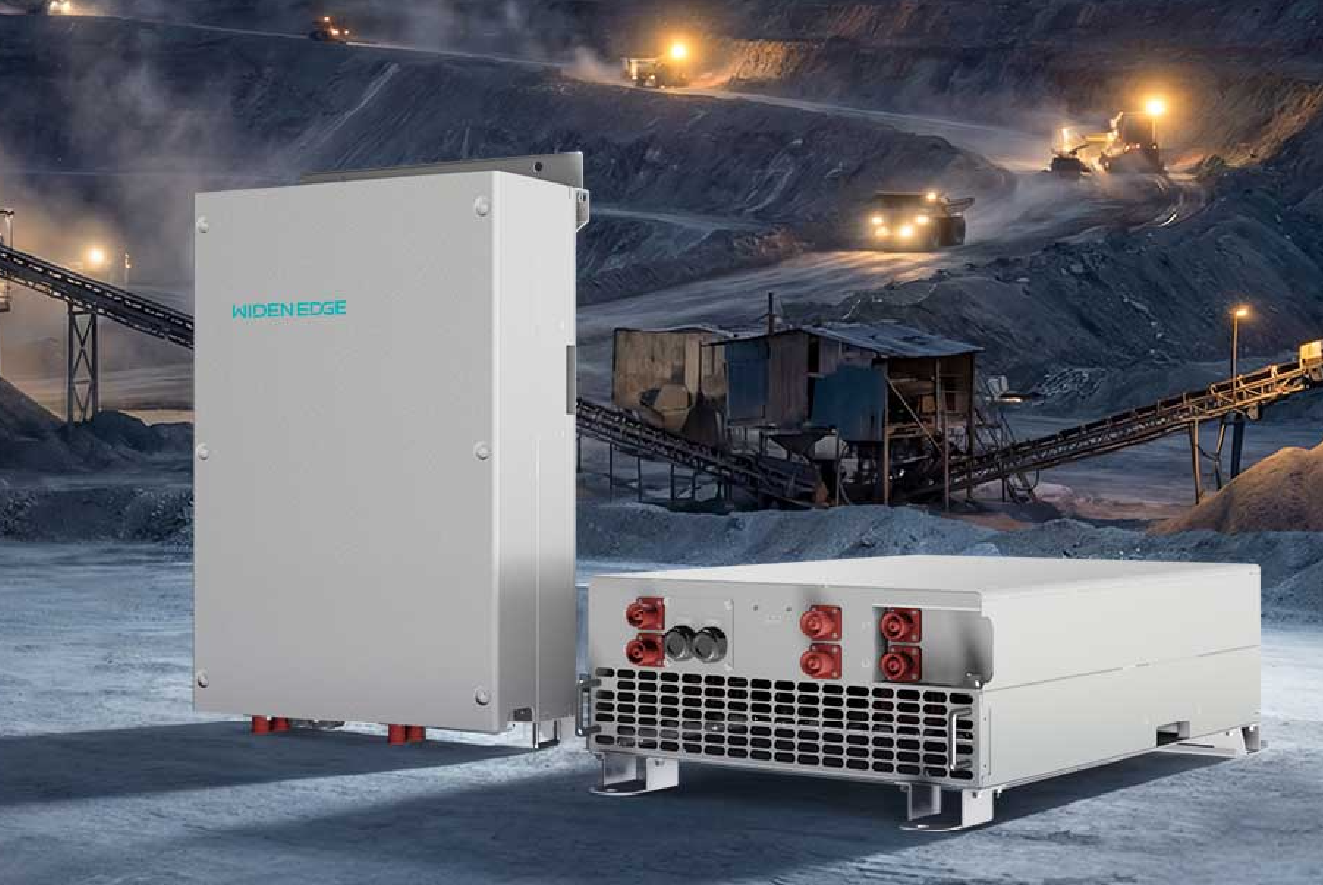
The problem owners describe
Most owners can tell you the story: nameplate numbers promise long backup hours, but when it matters the battery gives less. This is a problem-driven look at why that gap appears, and what to change. Operators, integrators, and microgrid companies all run into the same issues when they move from spec sheets to site reality. I’ve seen it firsthand during a six-month microgrid deployment in Northern California, and the patterns repeat: mismatch between how systems are rated and how they operate day-to-day. That’s why many teams consult a green energy technology company early — to stop surprises before commissioning.
Root causes: where rated efficiency turns into real loss
Here are the common faults that eat efficiency. Think of them as the real culprits, not marketing fluff:- Battery chemistry limits: some chemistries show high round-trip efficiency at lab currents but fall off under real loads.- Temperature swings: heat and cold reduce usable capacity and speed up aging.- Depth-of-discharge choices: running cells shallow or too deep changes effective energy availability.- Power electronics: inverters, converters, and soft-start losses matter more than battery cell loss.- Control logic and state-of-charge estimation: conservative SOC algorithms often withhold usable energy.- Aging and cycling history: capacity fades faster if cycling profiles are harsh or uncontrolled.- System mismatch: battery size, inverter size, and load profile not aligned, causing clipping or wasted capacity.
How to measure true performance
Don’t trust nameplate. Measure like a pro:- Record round-trip efficiency under representative load profiles over several cycles.- Log temperature at cell and cabinet level during operation.- Test at the expected depth-of-discharge and C-rate, not only at 1C or lab conditions.- Track state-of-health (SOH) trends monthly and correlate with cycle count and temperature.- Compare delivered kWh during an outage or islanding event to expected stored energy.These steps give clear, repeatable evidence of where losses occur and what to fix.
Quick fixes that change outcomes
Small changes often yield big improvement. Try these first:- Add active thermal management or simple ventilation to keep cells in their sweet spot.- Adjust control software to allow a slightly broader usable SOC window when safe.- Right-size inverters to avoid constant clipping during charge/discharge peaks.- Use conservative charge currents during hot conditions and limit deep discharge in cold weather.- Calibrate state-of-charge algorithms with field data rather than factory defaults.Each action reduces practical losses without needing a full hardware swap.
Frequent project mistakes to avoid
Teams keep repeating avoidable errors:- Oversizing battery capacity to “be safe” without addressing inverter or charger limits.- Trusting manufacturer lab figures without field validation.- Skipping firmware updates that fix measurement or balancing issues.- Ignoring spare parts and maintenance plans; failing systems rarely fail quietly.Spot these early and you stop wasted capital and disappointment.
Vendor selection: what to ask, and what matters
Specs matter, but these questions cut to real value:- Do you have field performance logs from comparable sites?- How do you manage thermal control and firmware updates in the field?- What’s the warranty on usable capacity, not just initial cells?- Can you provide modeled vs actual round-trip efficiency for similar loads?Insist on data over rhetoric. The partner who provides honest field results and a clear maintenance route wins long-term trust.
Simple comparisons: chemistry and architecture
Pick a solution to the problem, not a buzzword:- Lithium iron phosphate: strong cycle life and thermal stability; slightly lower energy density.- NMC: higher energy density, better for space-limited installs; needs stronger thermal controls.- Flow batteries: long duration, good for frequent deep discharge, but larger footprint.Match the chemistry to the duty cycle and site constraints, and you’ll avoid capacity surprises.
Wrap-up: move from surprise to predictable performance
The recurring lesson: measured, site-specific practice beats spec-sheet hope. Focus on real-world tests, temperature control, correct sizing, and honest field data. Operators who act on those points reduce failures and get the hours they need; those who do this often coordinate with experienced system integrators and consultancies, finding reliable modeling and operations support from firms like WidenEdge that bring system-level clarity rather than single-component promises.