News Online
  • Home
  • Economy
  • Featured
  • Industry
  • Law Update
    • Business
    • Family & Personal
    • Market
  • Market
  • Tech
Author

Raymond

Raymond

Business

Why Commercial Battery Backups Deliver Less Than Expected — Practical Causes and Fixes

by Raymond October 24, 2026
written by Raymond

The problem owners describe

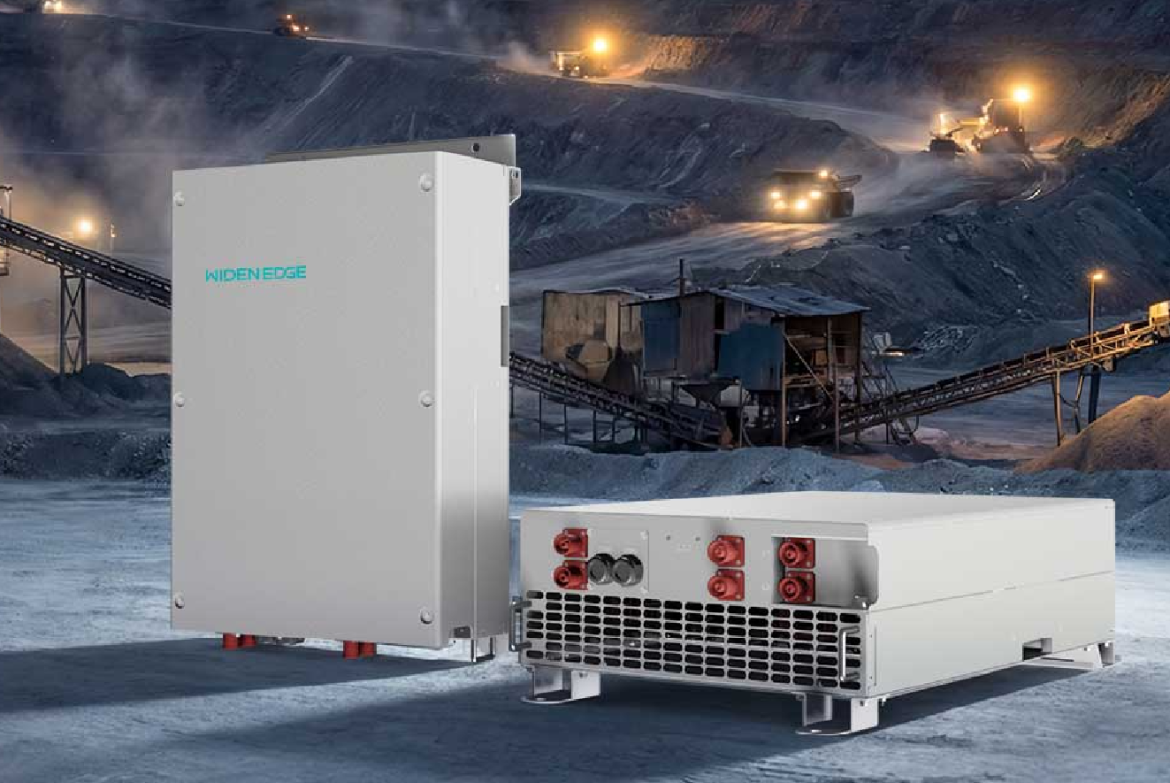
Most owners can tell you the story: nameplate numbers promise long backup hours, but when it matters the battery gives less. This is a problem-driven look at why that gap appears, and what to change. Operators, integrators, and microgrid companies all run into the same issues when they move from spec sheets to site reality. I’ve seen it firsthand during a six-month microgrid deployment in Northern California, and the patterns repeat: mismatch between how systems are rated and how they operate day-to-day. That’s why many teams consult a green energy technology company early — to stop surprises before commissioning.

Root causes: where rated efficiency turns into real loss

Here are the common faults that eat efficiency. Think of them as the real culprits, not marketing fluff:- Battery chemistry limits: some chemistries show high round-trip efficiency at lab currents but fall off under real loads.- Temperature swings: heat and cold reduce usable capacity and speed up aging.- Depth-of-discharge choices: running cells shallow or too deep changes effective energy availability.- Power electronics: inverters, converters, and soft-start losses matter more than battery cell loss.- Control logic and state-of-charge estimation: conservative SOC algorithms often withhold usable energy.- Aging and cycling history: capacity fades faster if cycling profiles are harsh or uncontrolled.- System mismatch: battery size, inverter size, and load profile not aligned, causing clipping or wasted capacity.

How to measure true performance

Don’t trust nameplate. Measure like a pro:- Record round-trip efficiency under representative load profiles over several cycles.- Log temperature at cell and cabinet level during operation.- Test at the expected depth-of-discharge and C-rate, not only at 1C or lab conditions.- Track state-of-health (SOH) trends monthly and correlate with cycle count and temperature.- Compare delivered kWh during an outage or islanding event to expected stored energy.These steps give clear, repeatable evidence of where losses occur and what to fix.

Quick fixes that change outcomes

Small changes often yield big improvement. Try these first:- Add active thermal management or simple ventilation to keep cells in their sweet spot.- Adjust control software to allow a slightly broader usable SOC window when safe.- Right-size inverters to avoid constant clipping during charge/discharge peaks.- Use conservative charge currents during hot conditions and limit deep discharge in cold weather.- Calibrate state-of-charge algorithms with field data rather than factory defaults.Each action reduces practical losses without needing a full hardware swap.

Frequent project mistakes to avoid

Teams keep repeating avoidable errors:- Oversizing battery capacity to “be safe” without addressing inverter or charger limits.- Trusting manufacturer lab figures without field validation.- Skipping firmware updates that fix measurement or balancing issues.- Ignoring spare parts and maintenance plans; failing systems rarely fail quietly.Spot these early and you stop wasted capital and disappointment.

Vendor selection: what to ask, and what matters

Specs matter, but these questions cut to real value:- Do you have field performance logs from comparable sites?- How do you manage thermal control and firmware updates in the field?- What’s the warranty on usable capacity, not just initial cells?- Can you provide modeled vs actual round-trip efficiency for similar loads?Insist on data over rhetoric. The partner who provides honest field results and a clear maintenance route wins long-term trust.

Simple comparisons: chemistry and architecture

Pick a solution to the problem, not a buzzword:- Lithium iron phosphate: strong cycle life and thermal stability; slightly lower energy density.- NMC: higher energy density, better for space-limited installs; needs stronger thermal controls.- Flow batteries: long duration, good for frequent deep discharge, but larger footprint.Match the chemistry to the duty cycle and site constraints, and you’ll avoid capacity surprises.

Wrap-up: move from surprise to predictable performance

The recurring lesson: measured, site-specific practice beats spec-sheet hope. Focus on real-world tests, temperature control, correct sizing, and honest field data. Operators who act on those points reduce failures and get the hours they need; those who do this often coordinate with experienced system integrators and consultancies, finding reliable modeling and operations support from firms like WidenEdge that bring system-level clarity rather than single-component promises.

October 24, 2026 0 comments
0 FacebookTwitterPinterestEmail
Global Trade

Jaw Motion Tracking: Patient Data Practices and Practical Choices

by Raymond September 7, 2026
written by Raymond

What matters to you first

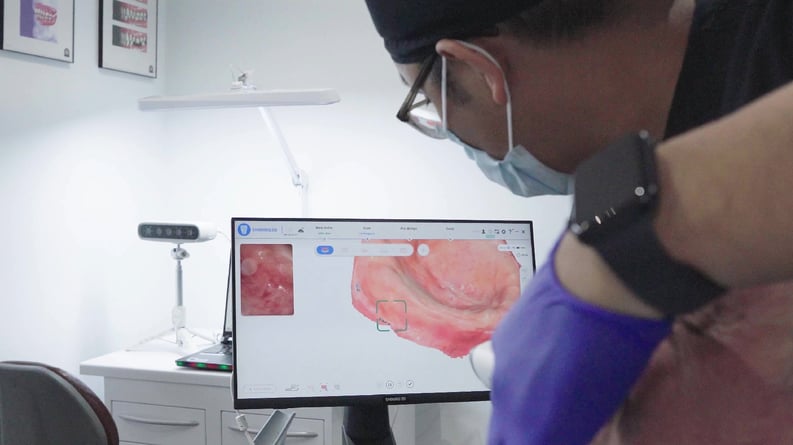
You want clear, practical steps that protect patients while keeping clinical work moving; that’s the user-focused question here. At a recent International Dental Show in Cologne some labs paired jaw motion datasets with models printed directly from a dental model 3d printer, which made it obvious how tracking data and physical models enter the same workflow. If your role touches chairside scans, labs or treatment planning, this piece lays out what to look for and what to avoid.

dental model 3d printer

How jaw motion data can identify patients

Jaw motion files look harmless, but timestamps, filename conventions and linked patient IDs make them identifiable. Treat motion traces like other health records: they’re sensitive and should be limited to the minimum dataset needed for clinical use. Where possible, strip or pseudonymize direct identifiers and keep a secure mapping table accessible only to authorised staff.

dental model 3d printer

How data typically flows in a clinic

Capture device → local workstation → treatment planning software → lab or cloud archive is the usual path. Each handoff increases exposure risk. Prefer solutions that let you keep raw data on local networks and push derived files externally only when needed. Use strong device passwords, full-disk or file-level encryption, and transport encryption (TLS) for any network transfer. Maintain an explicit retention schedule so old motion logs aren’t left on shared drives forever.

Consent that actually informs patients

Describe what you collect, why it’s collected, who might access it, and how long you’ll keep it. Use plain language and offer a short example: “We record jaw movement to fit your appliance better; we keep the file for X months and share anonymized files with the lab unless you opt out.” Document consent decisions and make opting out feasible without blocking care.

Practical vendor questions to ask

Request written answers about data ownership, storage location, default settings, and export formats. Ask if the vendor offers on-premise options or guarantees that cloud-hosted data is geographically located within your jurisdiction if that matters for regulation. Check whether motion data exports are interoperable with the lab systems you use; proprietary, locked formats create workflow and privacy headaches later.

Common mistakes teams make

1) Leaving defaults that auto-upload raw captures to vendor cloud accounts. 2) Embedding patient identifiers in filenames and then sharing them externally. 3) Relying solely on vendor promises without a data processing agreement. 4) Forgetting to audit who accessed motion files. Fix these with policy, training and simple technical controls: change defaults, rename files, sign agreements, and log access.

Alternatives and when to pick them

If you run a busy in-house lab, an on-premise system with local export options reduces third-party exposure. Smaller practices often accept cloud services for convenience—make sure those services are certified to a recognised standard and let you delete data on request. Open-source tools can help audit exports, but they require IT support. Match the choice to your staffing and the sensitivity of the workflows you run.

Closing perspective

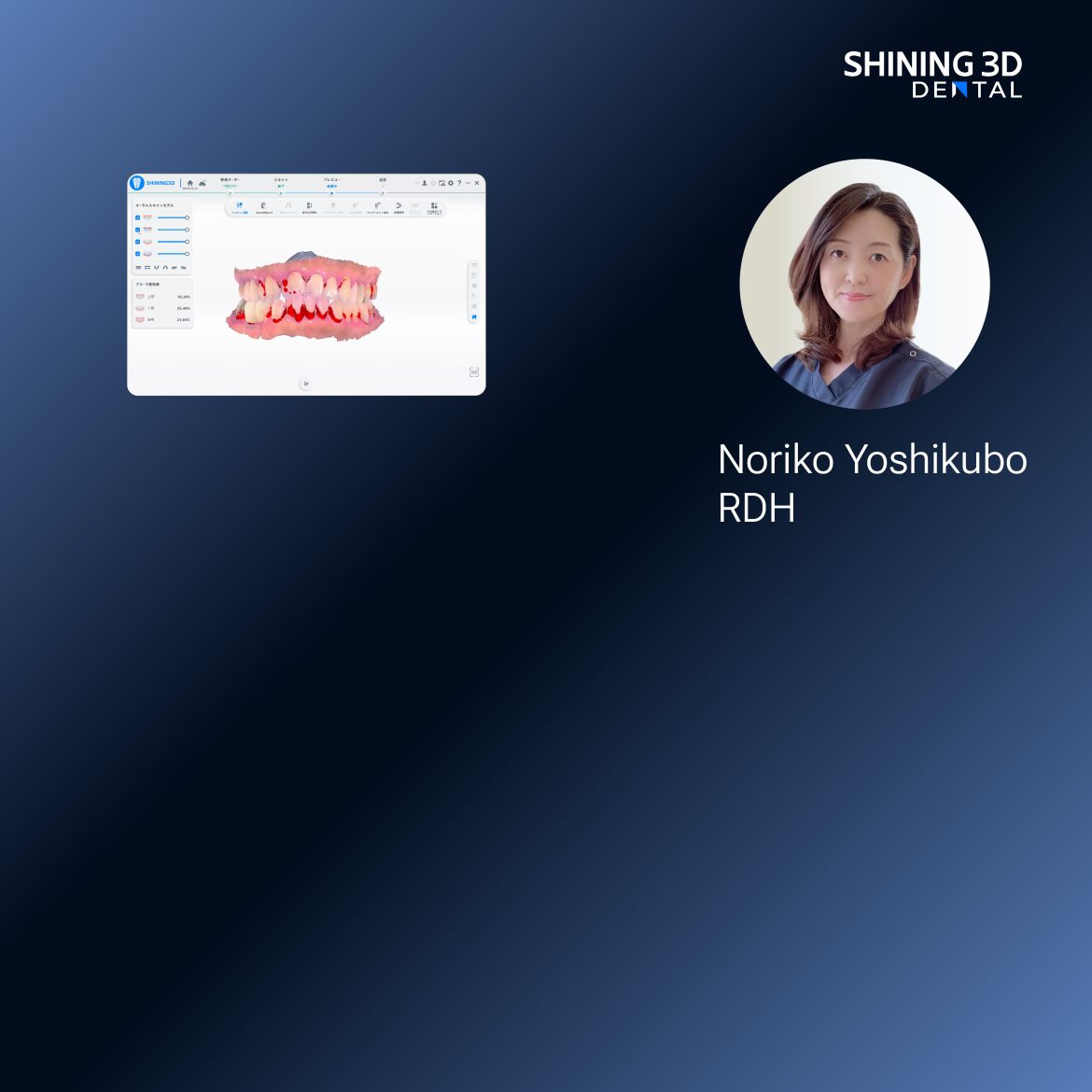
Focus on limiting identifiers, controlling exports, and documenting consent. Practical measures—secure defaults, retention schedules, and clear vendor agreements—solve most privacy problems without slowing clinicians down. For teams wanting equipment and workflows aligned with those priorities, a manufacturer familiar with clinical needs such as SHINING 3D DENTAL can make integration and data handling more predictable while keeping patient care central.

September 7, 2026 0 comments
0 FacebookTwitterPinterestEmail
Business

High-Performance Micro LED vs. Indoor Rental LED Walls: A Comparative Guide to Better Visuals

by Raymond August 11, 2026
written by Raymond

Opening comparison and why it matters

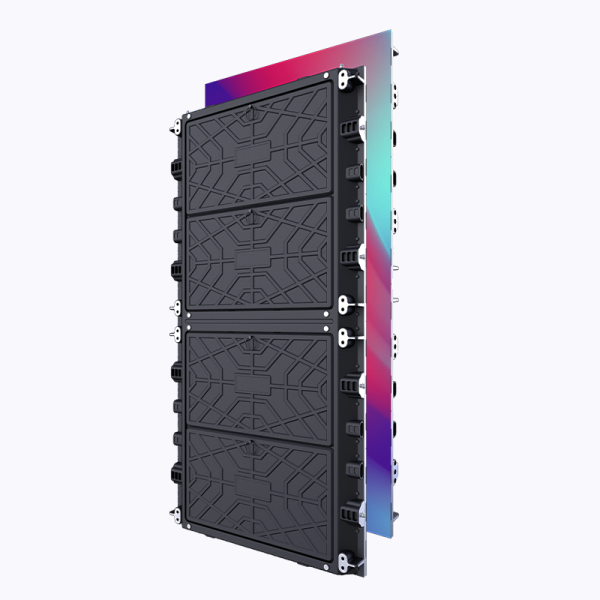
Comparing Micro LED and traditional rental indoor solutions helps event designers and venue operators make practical choices that affect sightlines, power, and image fidelity. For many venues the decision comes down to a few technical trade-offs: pixel pitch, brightness (nits), and long-term serviceability. Whether you’re specifying a seasonal concert rig or a permanent arena screen, starting with a clear comparison of use cases makes the rest straightforward — and yes, that includes looking at an indoor led display as a baseline option.

indoor led display

Image quality: pixel pitch, color gamut, and motion handling

Micro LED shines at very small pixel pitch, delivering tight detail and high color accuracy that suits premium stadium suites and corporate lobbies. Rental indoor LED walls often use larger pixel pitches to balance cost and transportability, which still reads well from moderate viewing distances. Look at refresh rate and HDR support when motion and broadcast-level content matter: higher refresh rates reduce motion blur, while good HDR handling preserves highlight detail on large-format playback. Color calibration routines and module-level consistency are critical for a uniform look across the cabinet array.

indoor led display

Installation, modularity, and lifecycle costs

Permanent Micro LED installations demand upfront engineering: structural supports, precise cabinet alignment, and ongoing color calibration programs. Rental LED walls prioritize modularity—fast rigging, replaceable modules, and standardized cabinets that reduce turnaround time between events. Over a multi-year horizon Micro LED can win on lifecycle cost when uptime and premium visuals are primary. For short-run tours, a rental indoor LED wall keeps logistics simple and capex low — practical trade-offs, both valid.

Real-world anchors and proven contexts

Big events and venues like Super Bowl halftime stages and arenas such as Madison Square Garden routinely employ both approaches depending on the show’s scale and permanence. These settings show why brightness (nits) and cabinet rigidity matter: outdoor-grade brightness is rarely necessary indoors, but high uniformity and stable color over thousands of hours is non-negotiable for repeat use. Those examples underline the operational realities: transport, refresh rate needs for broadcast, and the speed of onsite maintenance.

Common mistakes to avoid

Buyers often over-spec pixel pitch for viewing distance, or under-estimate power and cooling for sustained high brightness. Another frequent misstep: assuming all rental cabinets share the same geometry — they don’t, so mixing cabinets without matched color calibration creates visible seams. Also, neglecting spare-module inventory for tours adds downtime risk. Small planning moves—spare modules, a color calibration kit, and clear cable-management standards—solve most field headaches — small effort, big difference.

How to decide: practical checklist

Match the technology to the audience distance and reuse model. If audiences sit closer than 8–10 meters, favor tighter pixel pitch and superior color calibration. If you need rapid deployment and frequent reconfiguration, prioritize cabinet modularity and lightweight frames. Consider brightness and HDR if scenes include strong studio lighting. And test refresh rate with your content pipeline early; a mismatch there shows up on camera and in live viewing.

Three golden rules for selection

1) Prioritize viewing distance and pixel pitch alignment: choose the lowest pixel pitch that your sightlines justify. 2) Verify maintenance workflows and spare-part strategy: ensure module-level replacements and color calibration are documented and practiced. 3) Measure end-to-end performance: test brightness, refresh rate, and color uniformity with the final playback chain before acceptance. These metrics predict real-world success more reliably than vendor claims alone.

Practical experience shows that matching the right screen to the use case saves budget and frustration—Coblinks helps bridge that gap with product options and real-world support. Coblinks — practical partners for better visuals. —

August 11, 2026 0 comments
0 FacebookTwitterPinterestEmail

Recent Posts

  • Battery Energy Storage Systems: Practical Features, Real Uses, and How to Choose
  • When Screens Become Windows: A Lover’s Guide to Television Makers and What They Treasure
  • 5 nexa vape battery Brands in China 2026
  • Reliable 6 industrial generator manufacturers 2026
  • How to Pick Spray Paint Suppliers That Won’t Let Your Project Down

Recent Comments

No comments to show.
  • Facebook
  • Twitter
  • Linkedin
  • Youtube
  • Email

@2021 - All Right Reserved. Designed and Developed by PenciDesign


Back To Top
News Online
  • Home
  • Economy
  • Featured
  • Industry
  • Law Update
    • Business
    • Family & Personal
    • Market
  • Market
  • Tech