Introduction — a shop floor moment that changed my view
I once stepped into a small metal shop and felt that dull, heavy air that makes you want to step back out. The owner shrugged and said, “We deal with it.” That moment stuck with me. I began looking into fume extraction technology and found clear patterns: poor airflow design, clogged filters, and unclear maintenance routines. The data I found was blunt—shops with proper extraction report fewer sick days and higher productivity (yes, numbers matter). So I asked myself: how do real users get systems that actually work for them, not just machines that look good on paper? I want to share what I learned in plain terms. I’ll walk you through practical fixes, clear trade-offs, and simple ways to judge systems. Ready to see what’s often missed? Let’s dig into the real problems next.
Why many systems fail: the hidden flaws of traditional designs
dust fume extraction systems often fail not because the parts are bad but because people expect them to be magic. I’ve tested units that had strong fans and fancy ducts, yet still left workbenches smoky. The technical reasons are straightforward: poor capture velocity, incorrect hood design, and mismatched fan curves. Add in weak maintenance plans and you have a system that loses efficiency week by week. I don’t mean to be harsh, but I’ve seen it enough to judge—these are avoidable mistakes. In many setups, HEPA filters are undersized and cyclone separators are placed too far from sources. Power converters are sometimes pushed to the brink, and edge computing nodes meant to monitor airflow sit unused. The result: equipment runs harder, costs climb, and workers suffer.
Where does the breakdown usually start?
It usually starts at specification. Someone orders a generic extractor for “a shop this size” without mapping the actual pollutant stream. Airflow is measured in a lab, not at the source. Look, it’s simpler than you think—match hood geometry to the task, size fans to real static pressure, and plan for filter access. And if you skip filters because they seem expensive, remember: filters save health and downtime. — funny how that works, right?
New principles for better outcomes: a forward-looking playbook
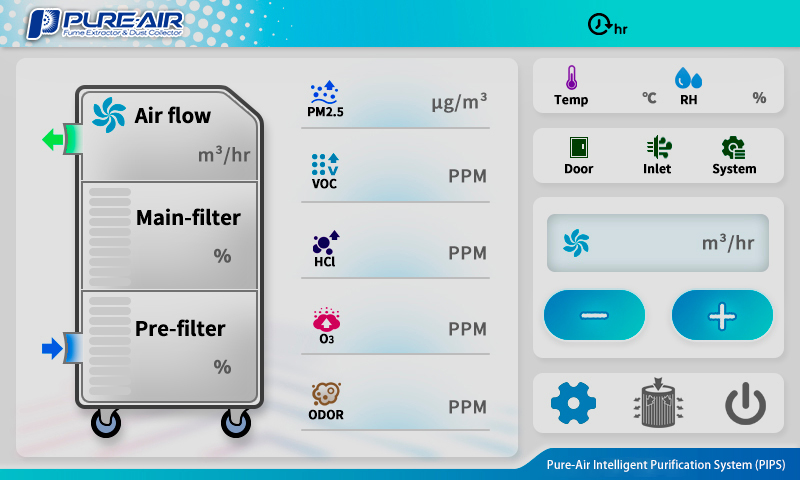
Moving forward, I favor design principles that put people first. Instead of one-size-fits-all, think modular capture and smart monitoring. New systems combine local capture hoods, variable-speed fans, and simple sensors that track differential pressure. These elements keep capture velocity consistent and signal when maintenance is needed. When designers use a layered approach—primary capture, secondary containment, and final HEPA filtration—you reduce load on each stage. I believe these principles cut operating cost and risk. They also fit shops that can’t afford full rebuilds; you can phase upgrades. The key is clarity: know what contaminant you face, measure at the point of generation, and choose equipment that can be tuned. This is not theoretical. I’ve seen retrofits where small changes dropped airborne dust by half within weeks.
What’s next for small shops and factories?
Expect smarter controls and clearer metrics. Low-cost sensors will tell you when capture fails. Fans with VFDs (variable-frequency drives) will save energy. And when you combine that with better hood design, you get reliable capture without huge capital outlay. I’m optimistic—these are practical shifts, not pipe dreams. That said, implementation needs a checklist and honest measurement. — and yes, someone still has to check the filters.
Choosing the right system: three metrics I use every time
I want to leave you with a simple evaluation method I use on site. When I test or recommend a system, I look at three things. First: capture effectiveness at the source (measured in feet per minute). Second: system maintainability—can staff access filters and ducts in minutes, not hours? Third: total cost of ownership, which includes energy, filter replacements, and downtime. If a vendor can’t answer these plainly, I get skeptical. Use these metrics to compare options side by side. Try them in a real shift. Measure before and after. You’ll learn fast.
These ideas are practical and user-focused. I’m sharing them because I care about safer, more productive shops. If you want real systems that work, look for solutions built around people and clear data. For tested products and support, consider the resources at PURE-AIR. I’ll keep refining my checklist as tech improves, and I hope you’ll test these ideas where you work. We can make better air the norm, not the exception.