Introduction — a quick scene, a few numbers, and a question
I remember watching my grandma wipe down the table with a rag and saying, “We got wipes for that now?” That little moment stuck with me because everyday habits shape big markets. The wet wipes making machine sits at the heart of that shift, humming in factories where rolls, folds, and cuts turn into the soft squares we trust for babies, kitchens, and clinics. Worldwide demand feeds billions in revenue; consumers want safe, soft, and fast-made wipes. So how did we get from a cloth over a spoon to a high-speed line that runs 24/7—without cutting corners on safety or quality? (I’ll tell you what I’ve seen.)
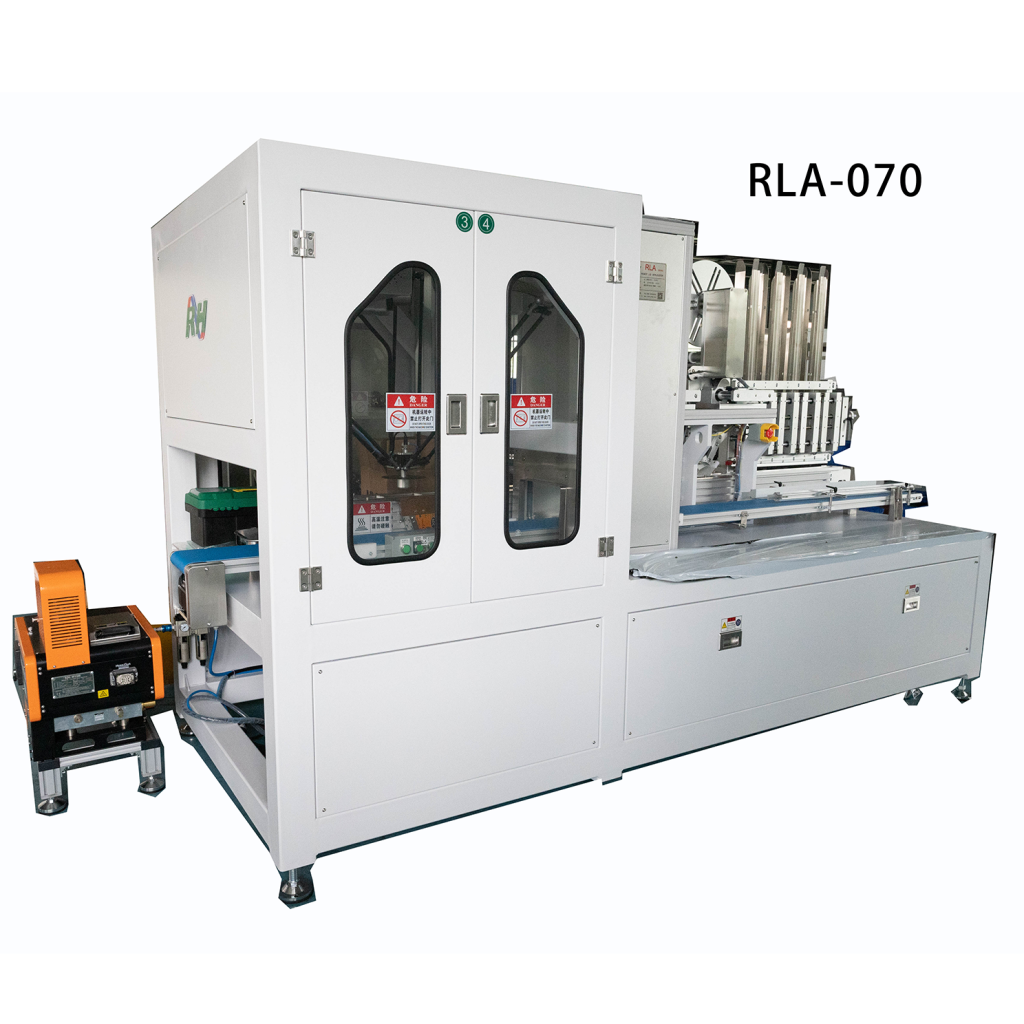
Folks hustle for speed, and companies chase uptime. Yet people still care about texture and cleanliness. You ever notice how a single bad batch can ruin trust? That’s the core question: can manufacturers scale without losing the human touch? I’ll unpack what’s behind the machines, why some setups fail, and what truly matters when you choose a partner for production. Next up: where the old ways trip up and what keeps operators up at night.
Part 2 — Why traditional approaches miss the mark
wet wipes making machine manufacturer is a phrase I use a lot because that’s the job title that carries responsibility—design choices, maintenance schedules, operator training. In many plants I visited, lines still relied on legacy PLCs and basic servo motors that weren’t designed for the tiny tolerances modern products demand. The result? Misfeeds, inconsistent moisten levels, and trim waste. I’m not talking about small hiccups. These lead to downtime and scrap that hits margins hard. Look, it’s simpler than you think: if the control system can’t sync the rewinder with die-cutting speed, you see rolls with uneven edges and batches get pulled. That’s not acceptable in healthcare-grade wipes.
Technically speaking, older power converters and slow feedback loops give poor response when tension shifts. I’ve seen operators hold a production line together with manual tweaks—juggling tension knobs, eyeballing roll alignment. That’s risky. We need better sensors, faster edge computing nodes on the line, and smarter motion control so the machine adapts in real time. Those investments cut scrap and reduce the human stress of babysitting the line. What breaks down most often? Motors overheating, seals failing, and the control logic not coping with recipe changes—again, small things that add up to big losses.
What breaks down most?
Mostly the invisible stuff: control latency, poor feed alignment, and weak quality inspection. Once those hit, operators scramble—and production suffers.
Part 3 — Looking forward: smarter lines, clearer choices
Now let’s look ahead. I’m seeing two big trends that change the game: smarter sensing and modular automation. When a wet wipes making machine manufacturer integrates inline vision systems and adaptive controllers, you get fewer surprises. For example, a camera that measures wetting uniformity can trigger micro-adjustments to liquid dosing before a whole reel goes bad—funny how that works, right? Pair that with better human-machine interfaces and you cut training time for new operators. I’ve liked what I’ve seen with modular stations: they let you swap in a new die-cut module or an upgraded PLC without reworking the whole line. That saves money and time.
Semi-formal take: the future’s about flexibility and measurable uptime. Choose machines that support remote diagnostics, because diagnosing by phone is faster than waiting for a tech truck. Also, prioritize components that are standard and serviceable—standard servo motors, widely-supported PLC platforms, and clear firmware logs. That reduces dependence on a single vendor and keeps lines productive. — and if you’re wondering what metrics to weigh, keep reading; I’ll give you three that matter most.
What’s Next — Real-world impact and how to choose
In practice, I’ve helped teams reduce scrap by rethinking inspection points and adding simple sensors. A small camera and a tension sensor cut rejects by double digits in a month. That kind of result is measurable. But beyond hardware, it’s people: training that teaches operators to read logs and interpret alarms pays dividends. You don’t need every fancy feature—pick the ones that solve your pain points.
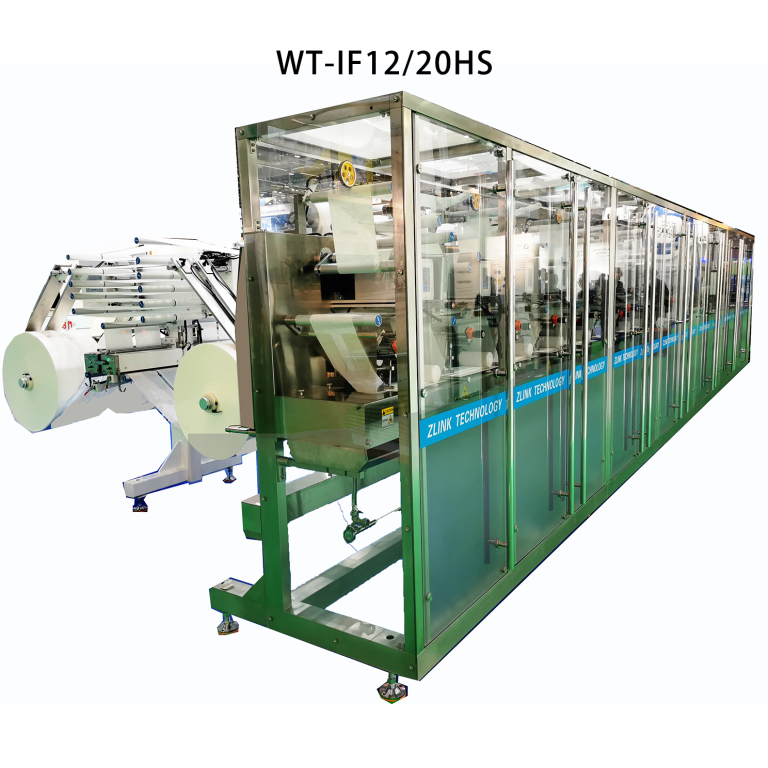
Here are three evaluation metrics I recommend when you compare suppliers and equipment:- Uptime potential: look for proven MTBF (mean time between failures) and easy access to spare parts.- Quality consistency: require data on repeatability for cut length, moisture dosing variance, and seal integrity.- Serviceability and support: test remote access, firmware update paths, and local tech training options.
I’m invested in practical outcomes. When we choose machines with those measures, teams feel relief. They run fewer night shifts fixing avoidable issues, and customers get a steady product. That’s the point—make things better for people who make products and for the people who use them. For dependable solutions and real-world service, I point to trusted partners like ZLINK.