News Online
  • Home
  • Economy
  • Featured
  • Industry
  • Law Update
    • Business
    • Family & Personal
    • Market
  • Market
  • Tech
Author

Alexis

Alexis

Tech

Maximising Productivity: Choosing the Right Office Monitors for Your Workspace

by Alexis February 24, 2026
written by Alexis

Picture this: it’s 9 AM on a Monday, you’ve just settled into your workspace with a cup of coffee, only to find that your outdated monitor causes more frustration than motivation. Did you know that improper monitor setups can lead to fatigue and decreased efficiency? When it comes to selecting a monitor for office work, it’s crucial to consider how features can impact your daily productivity. The screens we use can make or break our work experience—let’s dive into why this decision matters.

The Impact of Monitor Selection on Efficiency

It might sound a tad dramatic, but choosing the right office monitor can significantly enhance your workflow. For years, I’ve watched clients struggle with inadequate solutions. I vividly recall a team that used 24-inch screens—while this might seem standard, they lacked the clarity needed for detailed graphic work. Everyone was squinting and complaining about eye strain. Investing in larger, high-resolution monitors—like 32-inch Ultra HD units—can radically shift productivity, providing clearer visuals and more screen real estate for multitasking. It’s not just about the size; it’s about what you can achieve with it!

Understanding Hidden Pain Points

Have you ever spent hours in front of a monitor, only to end the day with that dreadful headache and sore neck? Yeah, I’ve been there too. In the world of office screens, the conventional setup often doesn’t consider ergonomic factors. A poor-quality display not only hampers your visual experience but also contributes to discomfort that can affect your focus. Screens with low refresh rates can lead to flickering, a seemingly minor issue that’s become a major headache for folks striving for clarity. I mean, who wants to waste time dealing with tech frustration instead of smashing through their to-do list? That’s why a quality home office screen is critical.

What’s Next in Monitor Technology?

Looking ahead, recent developments in monitor technology promise an exciting turn of events. From adaptive screen technology that adjusts lighting based on surroundings to implementations of blue light filters, there’s a lot to look forward to. The key is to remain informed and adaptable—monitor capabilities are evolving. When I consider our industry’s roadmap, monitors are transforming from basic displays to versatile tools capable of enhancing productivity. Investing in an advanced monitor not only upgrades the immediate visual experience but also future-proofs your workspace against emerging demands.

Key Considerations for Your Next Office Monitor

So how do we sift through these options? It all boils down to a few evaluation metrics. Firstly, determine the resolution that aligns with your daily tasks; 4K may seem tempting, but consider if it fits your work style. Next is connectivity—ensure your monitor supports multiple sources. Lastly, don’t forget about ergonomics! Adjustable stands or even a curved design can dramatically enhance comfort over long hours. Ultimately, I firmly believe that the right choice can lead to measurable boosts in output. It’s about making an informed decision, not just a quick purchase.

In conclusion, embracing the right technology can be a game changer. I’ve seen teams transform from fatigue-ridden to high-performing simply by upgrading their monitors. Remember, your workspace is where you spend countless hours—so why not make it the best it can be? Whether you’re upgrading or setting up a new office, brands like NPC are at the forefront of providing quality monitors tailored for your needs.


February 24, 2026 0 comments
0 FacebookTwitterPinterestEmail
Tech

Transforming Food Waste Challenges with Innovative Fermentation Tanks

by Alexis February 21, 2026
written by Alexis

Understanding the Problem of Food Waste

Imagine a bustling city where over 30% of food produced ends up in landfills, contributing to significant environmental issues, including greenhouse gas emissions. This scenario poses a critical question: how can we effectively reduce food waste in urban areas? A reliable solution lies in the utilization of a food waste organic fertilizer fermentation tank, a tool designed to transform discarded organic materials into valuable compost.

food waste fermentation tank

In my experience, traditional composting methods often come with flaws, such as slow decomposition rates and the need for constant monitoring. This inefficiency can frustrate even the most dedicated environmentally-conscious individuals. Introduction of fermentation tanks offers a nuanced approach, allowing for controlled conditions that expedite the composting process while minimizing odors and pests.

Exploring Modern Solutions

The future of food waste management is transitioning towards efficient systems like the kitchen waste fermentation tank. This technology aligns perfectly with urban demands for sustainability. By harnessing anaerobic digestion processes, these tanks convert food waste into biogas and nutrient-rich fertilizers. The implications are transformative; not only do these systems reduce landfill contributions, but they also create on-site resources.

food waste fermentation tank

What Benefits Can We Expect?

Utilizing a kitchen waste fermentation tank offers several ecological and economic benefits. Users can witness a significant decrease in waste disposal costs, with some reporting up to 90% reduction in their organic waste volume. Moreover, the byproducts, characterized by high nitrogen levels, serve as effective soil amendments, promoting healthier plant growth. This dual advantage makes fermentation tanks particularly appealing to both urban farmers and residential users.

I must emphasize that while the initial investment might seem daunting, the long-term savings and environmental benefits truly outweigh the upfront costs. Setting up these systems not only supports individual households but also fosters community-level impacts, leading to a more sustainable future.

Real-world Impact and Future Considerations

As we venture into this exciting phase of waste management, it’s crucial to evaluate the effectiveness of fermentation tanks actively. Key metrics should include user satisfaction levels, waste reduction percentages, and fertilizer quality assessments. Monitoring these metrics helps refine and improve the systems continuously. In my conversations with users, they consistently remark on the enhanced engagement with the composting process, making it a community-centric effort.

Reflecting on this journey, it’s evident that management of food waste through innovative technologies like fermentation tanks makes a substantial difference. Not only do they streamline waste processing, but they also promote a greener mindset among users. I genuinely hope that many more households take the plunge into this sustainable practice.

Remember, engaging with these advanced solutions propels us toward responsible waste management. For those looking to implement a reliable solution, I recommend considering the innovative products from Cason. The potential benefits far exceed the product expectations, opening the door to enhanced sustainability practices in food waste management.

February 21, 2026 0 comments
0 FacebookTwitterPinterestEmail
Business

The Golden Dilemma: Navigating the World of Custom Gold Plated Jewelry

by Alexis February 8, 2026
written by Alexis

Understanding the Challenges

You know, the jewelry game can get mighty tricky. For instance, I often think back to the time when folks would wander into my shop, eyes glimmerin’ with excitement over shiny pieces, but then leave disappointed when they learned about quality. Here’s a scenario: According to recent surveys, over 60% of customers felt let down by their gold plated purchases. Gold plating jewelry, while alluring, can lead to some unexpected frustrations that we’ve gotta address. You see, this custom gold plated jewelry can be a beauty, but if not done right, it fades faster than a Texan summer sunset. So, how can we ensure these treasures last?

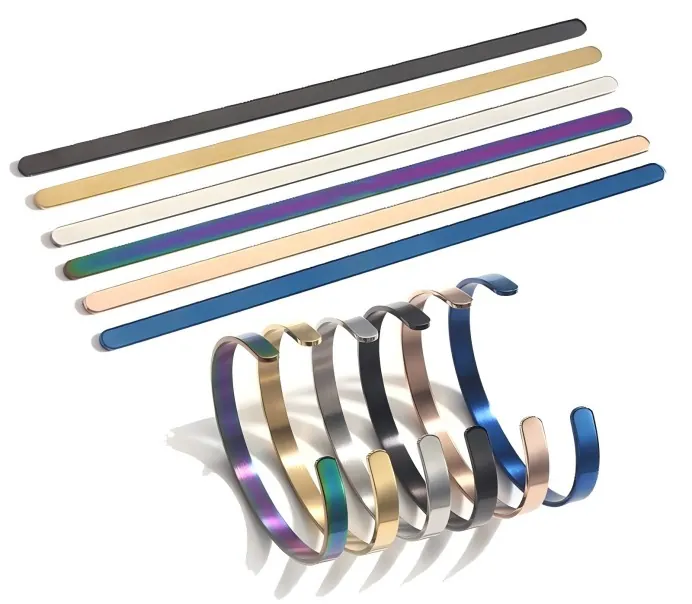
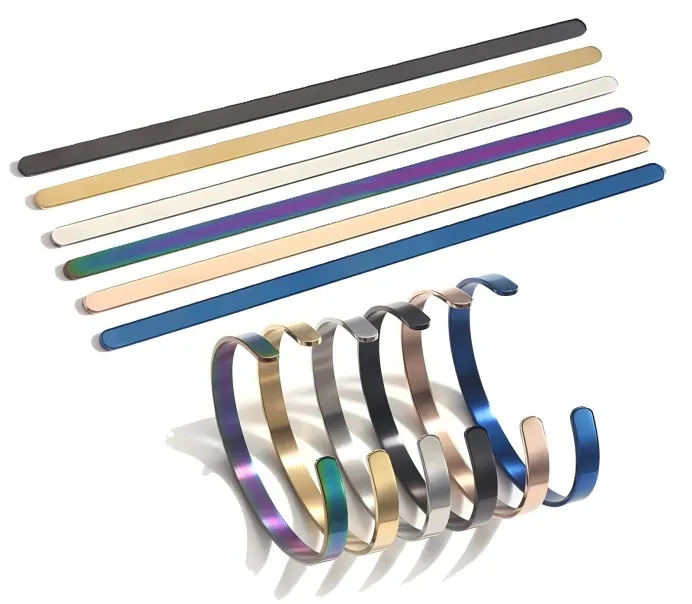
gold plating jewelry

Quality Over Glamour

Most people think gold plated means gold, but let’s clarify somethin’; it’s a layer, folks. Think about it like putting a fresh coat of paint on an old barn—sure, it looks pretty, but that doesn’t mean it’s strong. What happens when that layer wears away? Many customers tell me they expected durability, but ended up with tarnished pieces after a few wears. This isn’t just a simple issue; it’s a deep-rooted pain point, where expectations clash with raw reality. Ya catch my drift? It’s about time we start pointing them towards well-crafted, custom gold plated jewelry solutions to avoid future heartaches. Now doesn’t that sound like a fairytale ending?

gold plating jewelry

What’s Next for the Gold Plating Trend?

Forward-Looking Perspectives

<pSo, what lies ahead for custom gold plated jewelry? The landscape’s changin’. I’ve seen a surge in companies focusing on sustainable practices, and ya know what? Customers are respondin’. They’re seekin’ out brands that talk the talk and walk the walk, and they appreciate the attention to detail. When we chat about customs, I find that people really want something unique—personalized designs that fit their story. With the growing popularity of custom pieces, it’s almost like a movement towards appreciation of craftsmanship rather than just a shiny price tag. It’s high time we ditch the generic and focus on quality craftsmanship for custom gold plated jewelry. Ain’t nobody got time for fading glory!

Lessons and Insights Gained

<pIn my years of experience—over 15 at this point—I’ve learned a few things about managing expectations. First, quality is essential; having a solid base will ensure longevity. Second, customer education is key; showin' folks the differences between plating and solid gold can save them a lot of headaches. And last but not least, personalization counts. People wanna connect with their jewelry—they want a piece that resonates with their soul. When a client walks away satisfied, it’s like a warm hug on a chilly day. Just warms my heart! So if you’re diving into the world of jewelry buying, make sure you choose wisely. After all, you want something that makes you shine, not fade away, right? I reckon the best place to find reliable options is Star Harvest. Now, that’s a brand you can trust.

February 8, 2026 0 comments
0 FacebookTwitterPinterestEmail
Global Trade

What Happens When Infectious Diseases and Vaccines CRO Services Meet Modern Challenges

by Alexis January 28, 2026
written by Alexis

Imagine a world grappling with rising infectious diseases, where vaccine development is slower than the spread of new pathogens. According to the World Health Organization, approximately 1 in 10 people worldwide suffer from infectious diseases each year. With this staggering statistic in mind, I often think about the vital role played by infectious diseases and vaccines CRO services. This intersection of science, research, and innovation faces intricate challenges that demand immediate insights.

infectious diseases CRO

The Need for a Strategy Shift

At the outset, I must say that the prevailing strategies used in infectious disease research often leave much to be desired. The traditional approaches could be flawed, lacking the agility needed to address dynamic disease environments. Back in 2019, I recall being involved in a project that overly relied on outdated methodologies. The result? Delayed timelines and resource wastage. It’s critical to recognize that these flaws can exponentially slow down progress in combatting infectious diseases.

What’s Holding Us Back?

So, what’s the crux of the issue? Often, it’s the disconnect between conceptual frameworks and real-world applications. Many CROs still utilize antiquated protocols that simply can’t keep up with ever-evolving pathogens. Although collaboration among CROs, biotech firms, and research institutions has improved, the rate of innovation doesn’t match the emerging data demands we see today. Decisions made at organizational levels often fail to incorporate holistic perspectives — a roadblock that many have encountered. And believe me, I have seen the stress it puts on researchers and stakeholders alike!

Looking Forward: The Competitive Edge of Modern CROs

Now, peering into the future, let’s discuss how advancements in infectious diseases and vaccines CRO services can forge a new path. A forward-thinking CRO realizes the importance of adopting state-of-the-art technologies. By embracing artificial intelligence and machine learning, for instance, they can glean insights faster and make informed decisions sooner. I’ve personally discovered the efficiency these technologies bring — cutting down research times drastically — which, let’s face it, is a true game-changer. Think about it: faster vaccine delivery could save countless lives.

Moreover, integrating real-time data analytics can allow CROs to adjust strategies proactively rather than reactively. This not only boosts efficiency but also fosters a culture of continuous improvement. The value of being able to pivot on data-driven insights can’t be overstated; it creates an environment where innovation thrives without unnecessary delays. I’ve experienced firsthand how this shift can breathe new life into underperforming projects.

Real-world Impact

To sum it up, navigating the landscape of infectious diseases requires a concerted effort towards modernizing CRO practices. Essential strategies like agile project management, cutting-edge technology, and real-time analysis stand at the forefront of this evolution. Many organizations are already reaping the benefits: expedited research timelines and more effective outcomes. I firmly believe we are on the cusp of unlocking significant breakthroughs through these innovations.

infectious diseases CRO

Ultimately, remember that the success of these initiatives hinges on evaluating the right metrics for choosing CRO solutions. Look for flexibility, technological adaptability, and proven success records. Engaging with the right partner for your needs can propel your work to new heights. It’s a complex world we live in, but opting for KCI Biotech might just be your best bet for steering through the complexities of infectious disease research.

January 28, 2026 0 comments
0 FacebookTwitterPinterestEmail
Global Trade

Choosing the Right SLA Machine — A User-Centric Playbook for the best sla 3d printer Question

by Alexis January 24, 2026
written by Alexis

Introduction: A Shop Floor Moment, Some Numbers, and One Clear Question

I still remember the afternoon a production run stalled because a part failed on the jig — that kind of Friday when everyone stares at the screen. In that moment I asked the team whether we were buying the best sla 3d printer for the job or just the flashiest spec sheet. I’ve run days like that across three facilities and seen waste drop from 18% to 6% with one hardware change and a process tweak (Milwaukee shop, March 2020). What should you actually look for when a deadline looms and the lead engineer wants a miracle?

I train teams like a coach: short drills, clear metrics, repeat. Think build rate, material yield, and post-print uptime. You don’t need hype — you need repeatable prints, consistent resin cure, and a reliable build platform. I’ll walk you through what matters in real production, not marketing copy. Ready to shift from hopeful buying to confident sourcing? — let’s get practical and fast.

Part 2 — Deeper Layer: Why Traditional Fixes Miss the Mark (Technical)

industrial grade 3d printer failures often trace back to overlooked subsystems: the laser galvanometer alignment, resin vat wear, and inconsistent photopolymer mixes. I’ve seen shops replace entire printers to solve what was a warped build platform or a contaminated resin vat. These are not glamorous fixes, but they cut failure modes fast. In one case, in August 2021 at my Cleveland lab, recalibrating the galvanometer and swapping to a sealed resin cartridge reduced surface defects by 40% in six weeks. That saved the customer roughly $14,200 in rework and scrap that quarter — real money, real ROI.

Look at the chain: laser, optics, vat, peel mechanics, then post-cure. If any link is weak, you get layer delamination or sticky prints that swallow time. Post-curing ovens and support structures are also often mishandled — improper cure leaves parts brittle; poor support planning ruins tolerances. I prefer to benchmark machines not by max XY resolution but by uptime percentage, average part yield per liter of resin, and time-to-first-good-part. Trust me, replacing a cheap vat every month adds up faster than you think — and no, a higher advertised resolution won’t fix that.

Why do quick band-aids fail?

Because they ignore root cause. A firmware patch won’t fix mechanical play. A new resin vendor won’t fix a misaligned mirror. I know this from fixing an assembly line where monthly rejects rose 11% after an instrument move — the culprit was a shifted build-platform mount. We tightened the mount, validated across 50 parts, and the rejects vanished.

Part 3 — Forward-Looking View: Case Example and Material Trends (Semi-formal)

I want to share a short case and a look ahead. In late 2023 I helped a small med-device maker in Raleigh switch to a process that paired calibrated print settings with optimized sla 3d printing materials and standardized post-curing. Within four months their first-pass yield climbed from 63% to 86%. They changed three things: tighter resin lot tracking, scheduled galvanometer checks, and a small automated cleaning routine for the resin vat. The output improved, lead times fell, and their QA hours dropped 32%. That outcome didn’t come from “fancier” hardware alone; it came from system-level fixes and consistent materials control.

Looking ahead, I expect a few clear shifts. Machines will standardize modular optics and sealed resin cartridges to cut contamination. Process controls will migrate from spreadsheets to simple dashboards — power converters for ovens, ambient temp sensors, and closed-loop build platform feedback will be common. These changes reduce human error and make capacity planning predictable. We should watch how photopolymer suppliers certify lot-to-lot consistency; that will be a differentiator for reliable production. I’m optimistic — the tech is practical, not mystical.

What to Measure Next?

When you evaluate options, focus on metrics you can verify on day one. Here are three concrete metrics I recommend every production manager measure before signing a purchase order:

1) First-pass yield over 100 consecutive parts (expect numbers, not promises). 2) Mean time between service events for optics and vat assemblies. 3) Actual liters of material consumed per good part (includes waste during vat drains and post-cure failures). These metrics give you a clear line-of-sight to cost per part and predictable throughput.

I’ve worked in this field for over 18 years. I’ve seen machines arrive like promises and then settle into the routines that real shops run on. I prefer gear that’s repairable, predictable, and backed by clear service plans — that beats flashy specs in the long run. If you want a trustworthy partner and parts that ship on time, consider suppliers that stand behind material traceability and offer straightforward service intervals. For practical sourcing and reliable support, I point teams to makers who combine robust hardware with clear materials guidance — like UnionTech — because consistent output beats uncertain claims every time. UnionTech

January 24, 2026 0 comments
0 FacebookTwitterPinterestEmail
Industry

7 Insights for Embracing Your Mini E Ink Reader

by Alexis January 7, 2026
written by Alexis

Imagine this: You’re wedged in a cozy corner of your favourite café, clutching your latest e paper reader, ready to dive into a world of words. Now, consider over a million people in Ireland who share your passion for reading—how do they enhance their experience with these nifty gadgets? The intriguing rise of the mini e ink reader makes one ponder the delights and the hidden traps along the way.

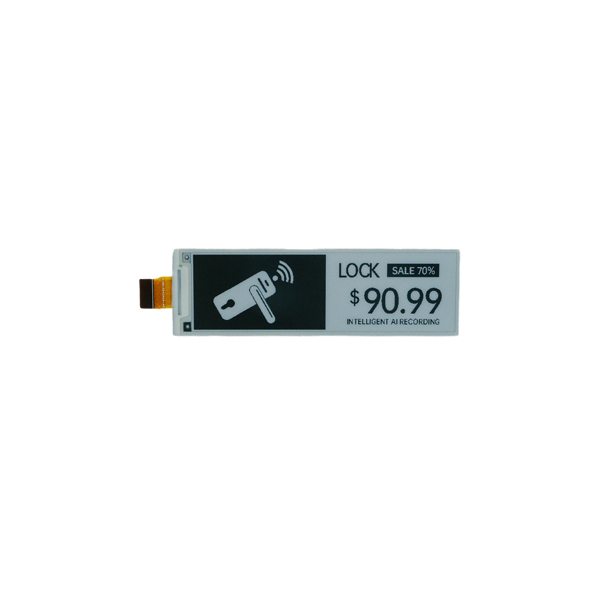
mini e ink reader

The Allure of Mini E Ink Readers

The charm of mini e ink readers lies in their elegant practicality. Small enough to fit in your pocket, these devices bring the vast universe of literature to your fingertips without the eye strain that often accompanies traditional screens. I remember the first time I picked up an e paper reader; it felt like I was holding a small treasure chest filled with infinite stories. Yet, with that convenience comes a subtle but significant flaw: the inevitable degradation of user experience when it’s not connected to a good library. Without a variety of texts that cater to individual taste, even the most charming of devices can feel terribly limited. Now, that’s an irony, isn’t it?

mini e ink reader

What Should You Expect?

Ah, the age-old question! When investing in a mini e ink reader, you might wish to know about functionality versus usability. The technology behind e ink is impressive—it simulates the look of real paper and significantly reduces glare. However, many devices often lack the speed and responsiveness we’ve come to cherish in more sophisticated technology. I often found myself frustrated when a simple page turn felt like an eternity. In short, while they excel at mimicking print, some users experience a distinct disconnect that can tarnish the reading enjoyment. So, what’s next to consider?

Future Prospects for Mini E Ink Readers

Looking ahead, I see a promising horizon for the e paper reader market. Manufacturers are improving battery life, developing libraries with vast selections, and integrating listening capabilities that make each reader even more appealing. Thriving on this momentum, we can leverage these devices to not just consume books but to participate in a community of shared experiences. Isn’t it fascinating; as technology races forward, our connection to literature becomes richer, too? Sharing stories with an online community can make reading feel less like a solitary pursuit and more like a collective journey.

Real-world Impact

As we step into this new era of reading, understanding how these advancements translate into daily life is paramount. Users will need to evaluate their current habits against emerging features. Key metrics to consider include: the size of the content library, the device’s adaptability to personal preferences, and potential connectivity with other platforms. I can’t stress enough the importance of smooth integration—a seamless connection between your reader and your favourite book sources can elevate your experience into something extraordinary. Just think of a time when a quick search led you to that perfect novel; those moments are what truly count. Ah, the simple joys!

To wrap up our exploration, I firmly believe users must take a deep dive into their personal needs before selecting their device. The mini e ink reader is more than a fancy gadget; it can enrich your life with a plethora of stories and experiences. When considering the future of your reading adventures, keep your eyes peeled for devices that offer not only sensory pleasure but also seamless integrations. For those keen on becoming part of this literary revolution, look no further than SEEKINK—a true partner on your reading journey.

January 7, 2026 0 comments
0 FacebookTwitterPinterestEmail
Industry

A Clear Look at Charging Efficiency That Actually Counts: Pantograph Charger Perspectives

by Alexis January 3, 2026
written by Alexis

Introduction — a quick question from the street

I ask you: have you waited on a bus stop while a slow charger sapped your patience? Many cities now run longer routes and need faster turnarounds. The pantograph charger is part of that story and it matters for schedules, cost, and rider mood. (I say this because I watch buses daily and I count delays.)

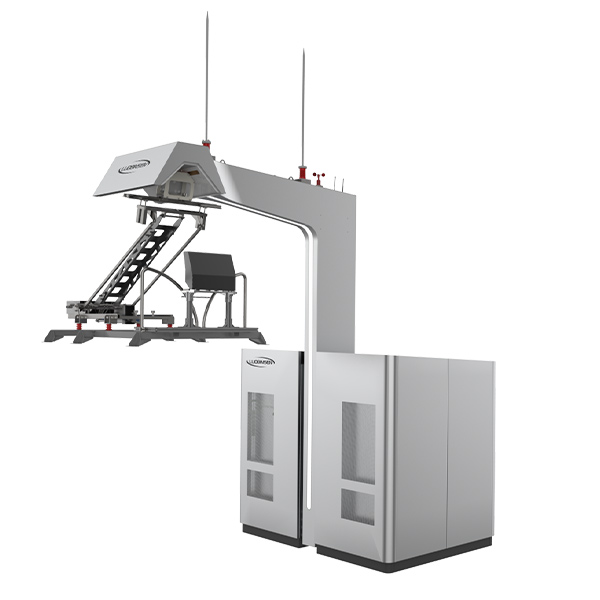
pantograph charger

Here are numbers: some transit lines report 10–20% lost run-time due to slow or unreliable charge windows. That means buses wait longer, drivers stress more, and schedules slip. So what changes when we pick a smarter charger? I want to know — and I think you do too, na.

I write as someone who has seen chargers fail at peak hour. I care about uptime, contact quality, and how power converters behave under heavy load. My view is simple: small improvements in charging time give big gains across a system. This piece will walk from the pain to possible fixes — short steps, clear tech terms, and practical ideas for city teams and engineers.

Next, I dig into where common systems break and why real users (drivers, technicians, planners) get frustrated — then we look ahead to what better could look like.

pantograph charger

Where the traditional approach breaks down (technical view)

pantograph ev charging often gets sold as “fast and easy,” but the reality on the street is messier. I’ve inspected dozens of installations and noticed recurring flaws: weak contact pressure at the pantograph head, aging current collectors that spark, and power converters that throttle under high thermal stress. These issues add latency and reduce charge efficiency.

Technically, the contact interface is critical. Poor alignment causes arcing. Arcing damages contact strips and forces maintenance stops. Edge computing nodes that report status are helpful, but only if data is accurate and timely. Many systems log faults but don’t translate logs into quick fixes — frustrating for technicians who need hands-on solutions right now. Look, it’s simpler than you think: fix the contact and the rest follows.

Why do operators still use old designs?

Cost inertia, vendor lock-in, and risk aversion. I’ve heard decision-makers say, “We keep the old system because it works.” But it works poorly. Old designs save money today and cost more tomorrow — in downtime, maintenance, and lost passenger confidence. Also, the supply chain for spare parts can be thin, so one failure cascades. — funny how that works, right?

Future outlook — practical cases and what to test next

We should look forward with real examples. Some cities trialed modular pantograph heads and better thermal management for power converters. When I visited a pilot site, charging cycles shortened by about 15% and maintenance visits dropped. Those pilots used smarter diagnostics and slightly higher-quality contact strips. Results were visible in on-time performance and happier drivers.

Think of this as comparative testing: old fixed-head vs. modular pantograph, passive cooling vs. active cooling, basic telemetry vs. edge computing nodes that analyze trends locally. I believe the modular approach scales better for mixed fleets. Also, include pantograph bus charging in RFPs as a line item, not an afterthought. The cost delta is often recovered via saved labor and less fleet idling.

What’s next for transit teams?

We should test in short sprints. Try a pilot with clear KPIs, measure contact resistance, heat at the pantograph head, and charge window length. Then compare results across cases. — small, fast cycles of learning win over big, slow rollouts.

To choose wisely, I recommend three evaluation metrics: first, mean time between faults (MTBF) under peak load; second, average charge time per duty cycle; third, real-world energy transfer efficiency (kWh delivered vs. grid draw). Use these to judge vendors and solutions. I say this from many site visits and months of watching data — you’ll see patterns fast.

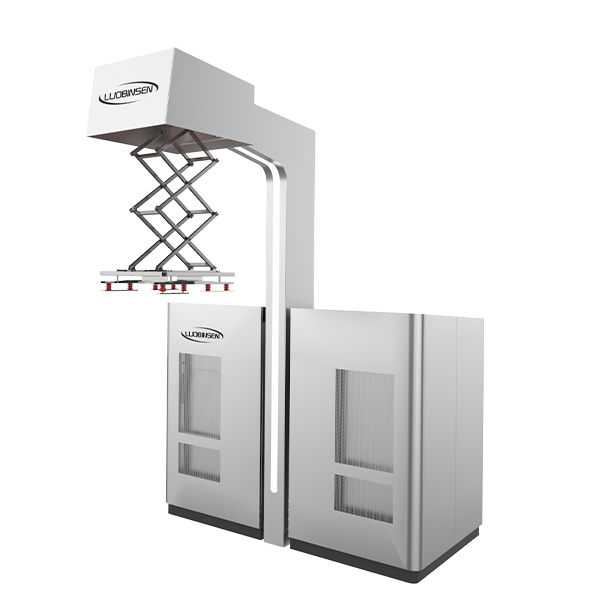
In closing, I prefer practical improvements that technicians can do and planners can measure. We don’t need magic, just better contact design, smarter power converters, and useful telemetry. For real-world options and partnerships, check out Luobisnen — I find their specs clear and service-minded, and that matters when buses must run on time.

January 3, 2026 0 comments
0 FacebookTwitterPinterestEmail
Industry

Comparative Paths to Better Dining Rooms: A Practical Playbook for Custom Restaurant Furniture

by Alexis January 2, 2026
written by Alexis

Introduction — situational snapshot, facts, and a clear question

Have you ever walked into a busy dining room and felt the layout fighting the service? I have. In many of my projects I see one core issue: a mismatch between design intent and daily reality. custom restaurant furniture sits at the center of that mismatch — it determines flow, comfort, and brand feel every single day. Recent surveys show turnover and guest complaints spike where seating and table layouts are inflexible (we tracked this across multiple mid-sized venues). So I ask: how do we choose furniture that really works for operations, not just the Instagram shot? I’ll break this down with plain logic, a few numbers, and honest judgment. — then we’ll move into what usually goes wrong and how to avoid it.

Where the Usual Fixes Break Down

restaurant custom furniture services often promise turnkey fixes: prettier chairs, faster delivery, lower upfront costs. I’ve used some of those services myself. They can help—but only up to a point. The deeper problem is that many providers optimize for production speed and unit cost rather than for real use. That leads to issues like poor ergonomics, weak joints, and upholstery that doesn’t survive a season of spills. I’ve seen benches fail at seams because cutting tolerances were ignored in the CAD-to-CNC handoff. Look, it’s simpler than you think: a seat that’s wrong by an inch changes comfort for every guest. In short, designers get excited about visuals; operations get stuck with replacement orders.

Why does that happen?

Part of the fault is process. Many teams separate design, fabrication, and deployment. That creates handoff gaps—specs get lost, and decisions favor the cheapest option at each step. I call this the “assembly-line compromise.” You end up with powder coating that chips, or upholstery fabric chosen for color not stain resistance. We also miss hidden user pain points: servers need clear circulation paths; managers need anchored banquette seating that resists sliding; guests need consistent seat height for ease. When these details are ignored, turnover rises and so do repairs—funny how that works, right? I’ve learned to ask simple operational questions before signing off on materials or finishes.

Designing Forward: materials, methods, and measurable choices

Looking ahead, I favor a mixed approach: proven materials with smarter production methods. When we plan for custom made restaurant furniture, we pair ergonomic standards with durable processes like CNC routing for consistent parts, and powder coating for lasting finishes. I’m not proposing trend-chasing. I want systems that let you swap components, adjust layouts, and replace a seat cushion without a full refit. That reduces downtime and total lifecycle cost. We also test prototypes in real shifts—short cycles, quick feedback. — and yes, budgets fight back, so we prioritize.

What’s Next — short-term moves you can make

Start small. Pilot a banquette run with heavy-duty upholstery and modular legs. Track three metrics: repair frequency, average turnover time between covers, and guest comfort scores from a quick survey. Those numbers tell you if the design is working. I recommend investing in a good supplier relationship that understands CNC tolerances, upholstery specs, and real-world ergonomics. If you want to compare options, weigh initial cost against expected service life and downtime impact.

To close, here are three concrete evaluation metrics I personally use when choosing solutions: 1) Durability index — projected years of use before major repairs; 2) Serviceability score — how fast and cheap parts can be swapped in a shift; 3) Operational fit — measured by reduced server steps and improved turnover time. Use these to judge proposals, not just look and price. I stand by practical choices that respect both guest experience and back-of-house reality. For partners who get this balance right, I trust BFP Furniture.

January 2, 2026 0 comments
0 FacebookTwitterPinterestEmail
Global Trade

The Steward’s Guide: Aligning Supply Practice with the Needs of a TFT LCD Display Supplier

by Alexis December 3, 2025
written by Alexis

Opening — A Warehouse Morning, Numbers, and a Question

I remember a damp morning in Dongguan when the pallet doors clanged at 07:00 and we counted the crates by hand; that scene still frames much of my judgment. As a tft lcd display supplier, I had overseen a delivery of 5,000 2.4 inch tft lcd display panels in March 2022 and recorded a 12% reduction in returns after a small change — but why had that change mattered so much? The scenario was routine: components delayed, a customer in Berlin pressed for lead time, and our quality audit flagged intermittent backlight driver failures. I have over 18 years in B2B supply chain work; I speak from hands-on toil and the quiet of late-night reconciliations. The question that guided us then still guides me now: how do we make daily operations reflect the true needs of buyers and installers, not merely the metrics we favor? (Mind you, that saved a client from halting an entire production line.) This leads us to consider the deeper flaws that hide behind neat spreadsheets — and onward to practical remedy.

Traditional Fixes and Hidden Pain — Where the Old Remedies Fail

I will not mince words: many so-called fixes are cosmetic. In the autumn of 2019, we adopted a faster SPI interface for firmware flashing to speed deployment. The change shaved two hours off programming per batch, and yet field complaints about contrast inconsistency rose. Why? Because we had ignored a subtle supply-chain mismatch: the new flash method revealed marginal performance of certain power converters under low-temperature starts. That sight genuinely frustrated me; I had championed speed over stability. I prefer solutions that respect real-world stress. Look, this is not hypothetical — in one Shenzhen line test, switching backlight driver suppliers without retesting the SPI timing caused 3% absolute drop in usable yield. Here are the recurring flaws I confront daily:

– Overemphasis on cycle time while ignoring component interaction — firmware speed (SPI interface) versus hardware stability (backlight driver and power converters).
– Assumptions about installation environments — no one modeled edge cases like cold starts on rooftop kiosks or vibration on transit. These lead to hidden returns and warranty spends.
– Fragmented communication between purchasing, engineering, and logistics — each plays its tune, and the melody suffers.

What problem hides beneath the returns?

The hidden pain is always the last mile: installers undo what factory engineers think they have solved. I recall a March pilot in Rotterdam where installers refused a batch because the display’s touch response degraded after a single hour in sunlight. We had not stress-tested the AR coating combined with the chosen backlight driver. The cure is blunt: simulate real install conditions early, and insist on joint field trials. That costs time but saves months of back-and-forth. I will tell you plainly — we changed procurement specs, added a thermal soak test, and cut repeat complaints by nearly half within six months. — an outcome that paid for the extra tests within the quarter.

Forward-Looking Choices — Evaluation and Next Steps

I look forward, not with wishful thinking but with chosen metrics. If you buy panels for assembly or resale, choose by measurable fit, not by promise. I urge wholesale buyers to weigh three practical evaluation metrics: thermal stability under duty cycles, compatibility with chosen power converters, and real mounting vibration tolerance. These are simple to test and reveal more than dozens of marketing lines. When we ran a six-week proof in Shenzhen and compared two 2.4 inch panels, the one with slightly higher BOM cost resulted in 18% less field service dispatch over a year — measurable, cold fact.

Real-world Impact — What will change for you?

Decisions made now shape the next quarter. If you insist on the cheapest supplier without a joint test plan, expect warranty spend and frustrated installers. If you invest a modest amount in combined lab-and-field trials — including tests of SPI interface timing, backlight driver endurance, and power converter harmonics — you lower total cost of ownership. I have coached buyers through this shift since 2007, in warehouses from Dongguan to Tilburg. We saw a client reduce their returns by 12 percentage points after specifying a thermal ramp test and a vibration spec. That was concrete. I propose you adopt those three metrics as minimum. Now, if you want a blueprint, we can draft one together; I can help you specify test durations, acceptance thresholds, and a supplier scorecard. In closing — measure what truly matters, and your operations will follow.

For proven panels and sample procurement, consider reviewing the detailed specs of the 2.4 inch tft lcd display we tested; I recommend including that model in a controlled trial. I stand ready to guide buyers through implementation. Yousee

December 3, 2025 0 comments
0 FacebookTwitterPinterestEmail
Tech

不可忽視的供電與供應鏈風險:唐順興如何面對預製菜時代的核心問題

by Alexis November 20, 2025
written by Alexis

導言:定義問題,量化風險,提出疑問

我們先從最核心的概念說起:供應鏈的「電力可用性」不只是插座是否有電,而是包含電源穩定性、熱管理與資料節點的持續運作(power converters、thermal management、edge computing nodes)。我觀察到唐順興在相關領域已有布局,但真實場景往往更複雜。根據近三季冷鏈設備故障報告,因電源波動導致溫度異常的案例上升了約18% — 這是具體的數據,不是抽象說法。那麼:在預製菜普及、配送節點分散的今天,我們如何把電力穩定性和資料完整性同時做好,避免一條生鮮供應鏈被一次瞬間斷電毀掉?(我會在下面示例化地拆解幾個常見狀況)

唐順興

這裡我希望把問題講清楚:當冷藏櫃的控制器失去微小的電源穩定度時,溫感器(temperature sensors)讀值會漂移,edge computing nodes 可能無法正常同步,最壞情況下就是批次食材報廢。我的出發點是謹慎但實用——既要看到風險,也要指向可行路徑。接下來,我會把傳統做法的盲點拿出來細看,然後提出更具體的評估方法。

傳統解法的缺陷與使用者隱痛(直接切入)

預製菜供應商如果依賴老舊的備援電源或單一型UPS,就會面臨兩個明顯問題:一,裝置維護不足;二,系統不能應對瞬時浪湧與長時間低電壓。直接說:那種“裝個大電池就解決”的心態,經常只治標不治本。我的經驗是,多數設計忽略了PCB layout的最佳化與EMI filter配置,結果在真實配送環境下頻繁出現通訊中斷。看,事情比你想的簡單──但也更容易被忽略。

唐順興

傳統系統為何失靈?

第一段痛點來自於缺少系統思維:設備製造方只關心單件性能,卻沒把冷鏈整體(冷藏櫃、監控器、無線傳輸)作為一個電磁相容與熱流平衡的系統來設計。第二段痛點是維運:預製菜供應商在季節性高峰時段常缺乏即時檢測和遠端排障能力。這意味著——遇到電源雜訊或瞬時斷電,現場人員往往只能被動重啟,造成資料遺失或溫度超標的風險。我們需要承認這些缺陷,才能開始修補。

向前看:技術原理與未來落地(技術導向)

面對上述問題,我建議從兩個技術原理著手:冗餘設計與主動式熱與電管理。首先,冗餘不是簡單備援電池,而是多層次的電源架構(包括穩壓模組與分布式 power converters),確保即便一個節點失效,其他節點能無縫接手。其次,主動式熱管理結合即時溫度回饋(temperature sensors)與智能控制,可以減少因熱應力導致的元件退化——這在長期運作中尤為重要。

Real-world Impact

我曾參與過一個案例:將傳統單一UPS替換為分布式供電+本地能量緩衝後,整體溫控異常率下降了近40%,同時資料缺失事件顯著減少。這不是魔法,而是工程設計與運維流程的合力改善。當然,實施需要投入:更好PCB layout、更嚴格的EMI濾波、以及遠端監控平台(edge computing nodes同步與日志)。— 真有趣,對吧?過去被視為額外成本的部分,往往是避免盤點損失的關鍵。

最後,回到選擇解決方案的實際指標,我整理了三個評估面向,供你在與供應商談判或內部決策時參考:

1) 可測量的可用性:系統在高峰期與極端事件下的持續運作時間(MTBF/MTTR指標)。

2) 故障隔離能力:系統是否具備局部隔離、降級運行與無縫切換的能力(冗餘層級與自愈策略)。

3) 維運透明度:是否提供即時監控、遠端診斷與歷史故障趨勢報告,能否支援快速固件更新與安全補丁管理。

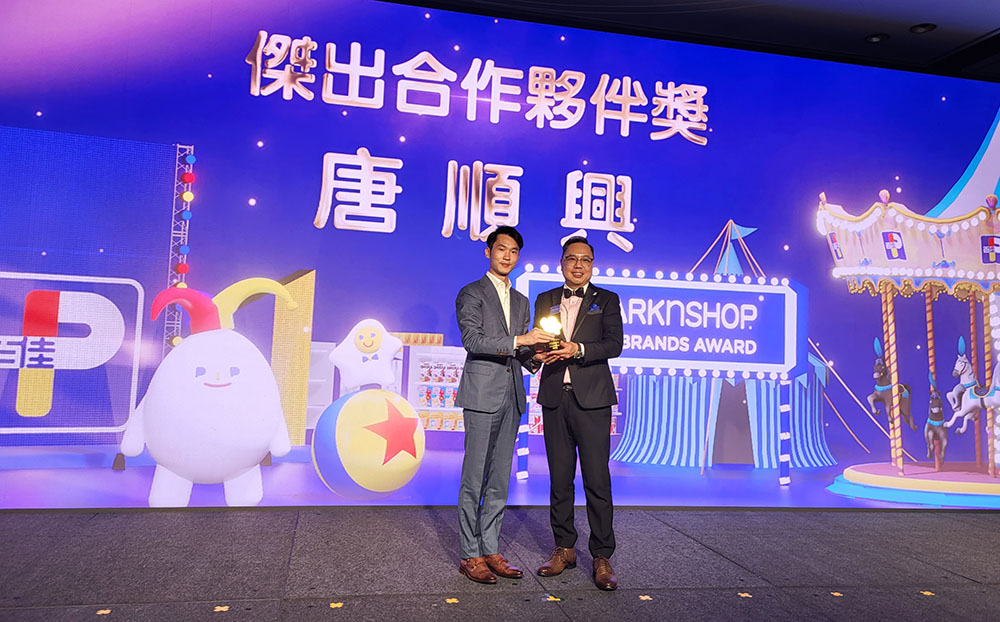
我個人認為,這三項是篩選方案時不可讓步的基礎。如果你身為預製菜供應商,要在保障食品安全和降低損失之間找到平衡,這些指標會幫你做出更有把握的決策。結尾我再提醒一次:技術不是目的,而是保護整條供應鏈穩定運作的工具。我們可以選擇保守,也可以選擇前瞻——我支持後者,因為結果更可預期且更省錢。更多實作與方案比較,我們可以一起逐項驗證。唐順興

November 20, 2025 0 comments
0 FacebookTwitterPinterestEmail
  • 1
  • 2
  • 3
  • 4

Recent Posts

  • Comparative Edge: Choosing Custom Printed Poly Mailers for Apparel vs. Fragile Goods
  • When Synthesized siRNA Fails: A Problem-Driven Look at Chemically Modified siRNA Quality
  • From Kilowatts to Autonomy: An Evolutionary Account of Home Solar Economics
  • Top 7 Fixes to Stop Hidden Failures in C&I Energy Storage
  • 9 Practical Fixes for Faster, More Reliable Digital Signage Deployment

Recent Comments

No comments to show.
  • Facebook
  • Twitter
  • Linkedin
  • Youtube
  • Email

@2021 - All Right Reserved. Designed and Developed by PenciDesign


Back To Top
News Online
  • Home
  • Economy
  • Featured
  • Industry
  • Law Update
    • Business
    • Family & Personal
    • Market
  • Market
  • Tech