Why ordinary kit leaves you with lumpy jobs
I reckon most factories and labs hit the same snag: you feed in ingredients, spin the mixer, and end up with streaks, oversized droplets, or a paste that won’t behave. That’s where a tight bit of kit makes the difference — a high shear lab mixer chops droplets and breaks agglomerates in seconds, rather than letting time and brute force do the work. If you’re wrestling with poor dispersion, slow dissolution, or inconsistent texture, it’s not manpower you need; it’s shear applied in the right place and at the right speed.
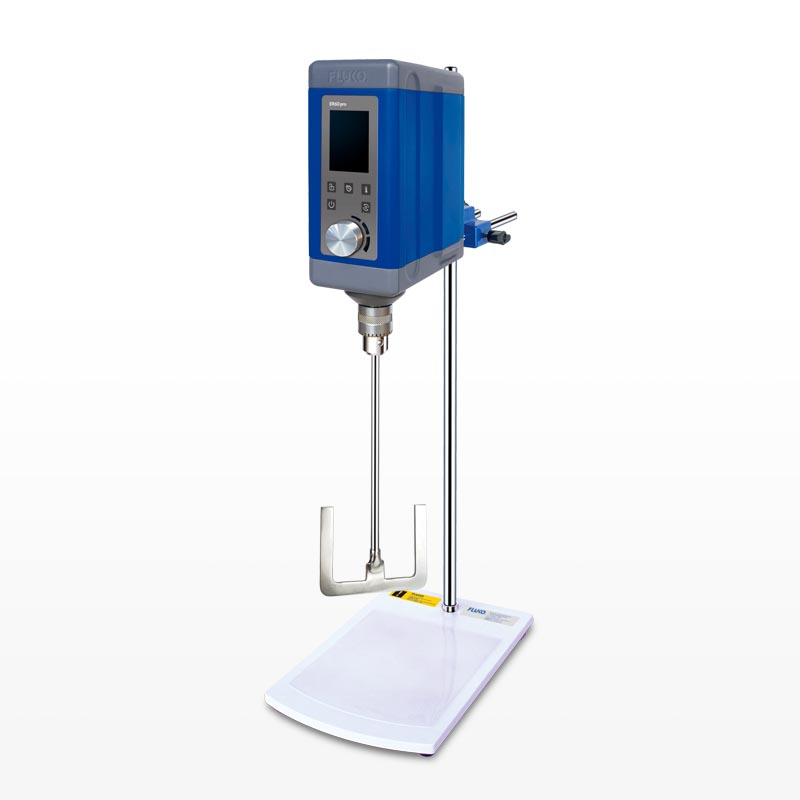
What proper high shear action actually does
High-shear gear uses intense velocity gradients at a rotor–stator interface to stretch and tear apart particles and droplets. That creates far smaller, more uniform droplets and suspensions, directly cutting variance in particle-size distribution. For viscous systems it reduces mixing time dramatically; for emulsions it tightens size distribution and boosts stability. Pay attention to tip speed, rotor geometry, and residence time — those three set the result more than power rating alone.
Common mistakes that wreck results
People pick the biggest motor they can afford and expect miracles. Wrong move. Too much speed overheats heat-sensitive feeds; too little gives no effect. Running a high-shear unit poorly positioned in the tank causes vortexing and air entrapment. Using the wrong rotor-stator gap produces coarse, unstable emulsions. Skimping on CIP access or material choices means cross-contamination and long downtime. Match viscosity range, control cooling, and design for cleanability from the start.
When alternatives actually make more sense
Don’t assume high shear is the default. For monodisperse nanoemulsions, consider high-pressure homogenisers. For continuous, high-throughput syrups a static mixer can be simpler and cheaper. Colloid mills excel with very abrasive slurries. Ultrasonics can aid deagglomeration at small scale. Use high shear when you need rapid droplet breakup, tight size control across a wide viscosity band, and when scale-up must preserve lab results.
Experience and a real-world anchor
I’ve worked alongside bench teams who’ve swapped protocols and seen batch CVs halve in under a week; the technique scales when operators understand shear numbers. At Pittcon, engineers and lab managers compared bench trials side-by-side and noted how certain bench units translated predictably to pilot lines — the same lesson repeats at large technical shows. Practical demos often point to a lab high shear emulsifier as the reliable bridge between lab screening and pilot runs, because it’s the piece of kit that gives clear, reproducible droplet control you can measure and tune.
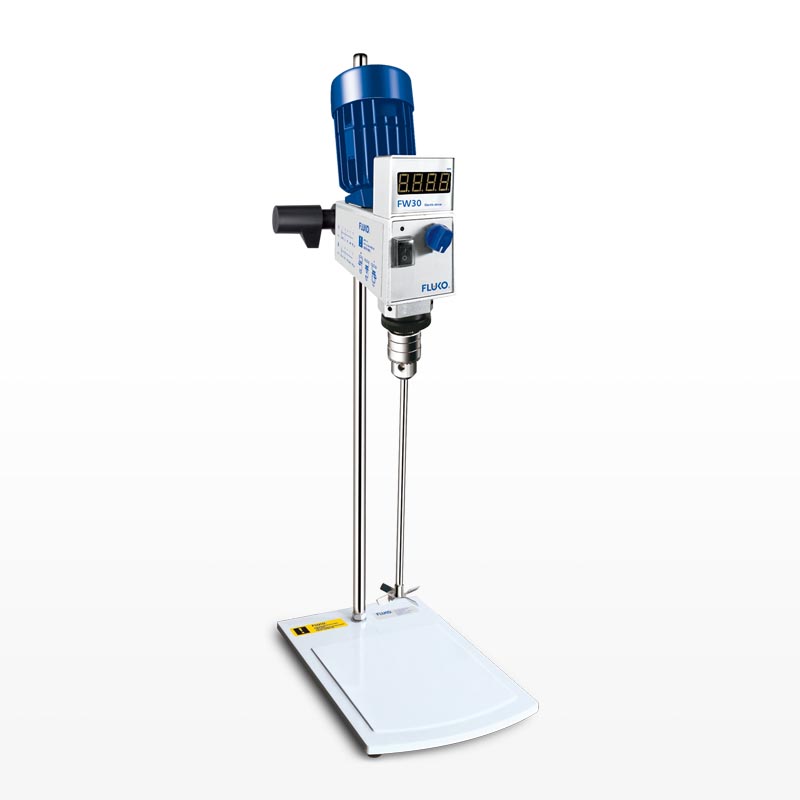
How to fit one into your process without fuss
Start by defining the problem: droplet size target, viscosity window, and heat sensitivity. Choose rotor geometry for the dispersion task, set tip speed for controlled shear, and specify cooling if temperatures rise. Pilot a bench model, measure PSD and stability, then match tip speed and power per volume during scale-up. Suppliers who document performance curves and offer service support save time; few things are more useful on the workshop floor than a reliable spare rotor and clear maintenance notes from the maker like FLUKO.