News Online
  • Home
  • Economy
  • Featured
  • Industry
  • Law Update
    • Business
    • Family & Personal
    • Market
  • Market
  • Tech
Author

Deborah

Deborah

Industry

The Night-Sight Playbook: A User-Centric Guide to Loop Recording and Partition Logic in Futuristic Dashcams

by Deborah June 22, 2026
written by Deborah

Seeing the user’s problem in low light

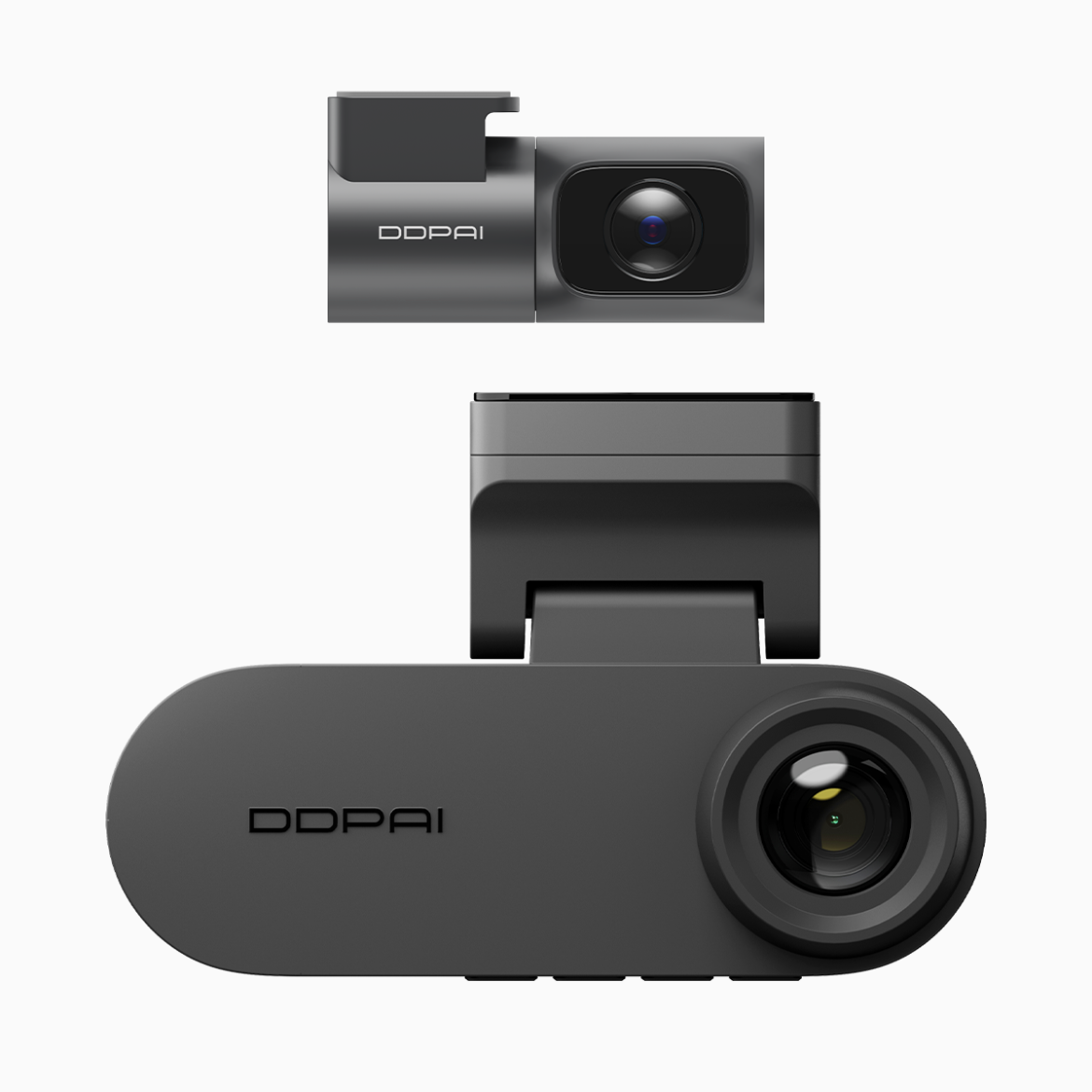
You’re driving home under sodium lamps and want the system that protects you to keep working through the night. Modern units promise continuous capture, but the real task is storage management — how the device records, overwrites, and preserves events without you babysitting an SD card. A practical solution is a dual dash cam with night vision that separates front and cabin streams and understands loop rules. This matters: road crashes still kill over a million people globally each year, so reliable evidence capture at night is not optional — it’s a safety baseline (WHO data).
dual dash cam with night vision

Loop recording: your car’s circular memory

Loop recording breaks video into sequential files — often 1, 3, or 5 minutes each — and overwrites the oldest when storage fills. For you that means uninterrupted coverage without manual clearing. Important terms: loop recording (the overwrite policy), bitrate (how much data each second uses), and codec (how video is compressed). Choose presets that balance file size and clarity; higher bitrate yields crisper night footage but eats space faster. The user goal is simple: keep the crucial moments intact while the routine stuff ages out automatically.

Partition allocation explained plainly

Partition allocation is how the dashcam divides the SD card: normal loop files, event-protected segments, and sometimes a parking-mode ring. Think of partitions as lanes in memory — each lane has rules. When a G-sensor detects an impact, the device moves that short clip from the loop lane into the protected lane and tags it with metadata so it won’t be overwritten. Firmware handles this handoff, and the filesystem (FAT32 or exFAT) determines maximum file size. If allocation is too conservative, you lose recording time; too generous, and you run out of protected slots — so pick a profile that matches your driving patterns.

Night vision trade-offs and practical choices

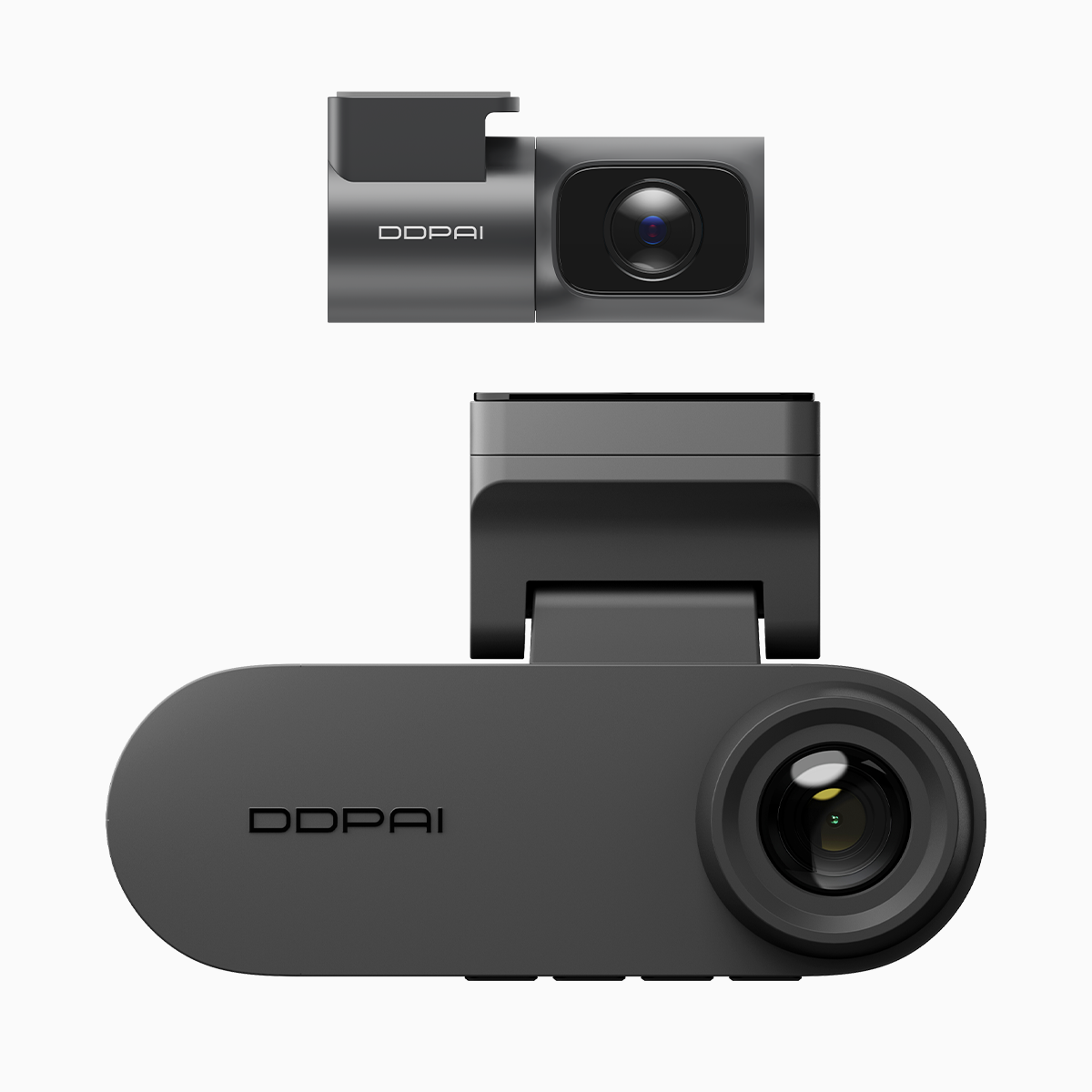
Night optimization uses higher ISO, noise suppression, and sometimes infrared. Those modes produce more data — meaning higher bitrate or lower retention. A smart unit will scale bitrate dynamically: boost during low light and throttle back in daytime to conserve space. Look for features like HDR night processing and efficient codecs (H.265) so you don’t trade clarity for quantity. If you want extended parking surveillance, consider a car dashcam with night vision that offers separate partitions for parking and driving; that separation keeps your incident clips safe without draining all storage on routine captures.

dual dash cam with night vision

Common mistakes drivers make — and the fixes

People assume “set-and-forget” applies to storage. It doesn’t. Mistakes include: using low-quality cards, not formatting the card in-camera, ignoring firmware updates, and selecting the wrong filesystem for long recordings. Use an automotive-grade microSD rated A1/A2 or V30+, format it in the dashcam, and verify partition sizes if the unit offers customization. Also—backups. Relying solely on local loop files is risky; periodic transfers to a phone or cloud keep evidence intact after theft or card failure.

Alternatives and when to pick them

Single-camera units save money but miss angles; cloud-enabled models give off-site redundancy but increase subscription costs and power draw. For urban drivers who park on the street, a model with dedicated parking partition and motion-triggered time-lapse is ideal. For rideshare drivers, a dual-channel system with simultaneous front and cabin streams and robust event-locking is better. Evaluate based on three needs: field of view coverage, evidence integrity (protected partitions, G-sensor reliability), and night clarity (IR or low-light sensor). Minor trade-offs are inevitable — choose the one that solves your primary risk.

Three golden rules for selecting and configuring your dashcam

1) Prioritize event protection: choose a unit with reliable G-sensor locking and configurable partition allocation so critical clips are never overwritten. 2) Match bitrate to storage: pick codecs and bitrate profiles that keep night footage legible without exhausting card capacity. 3) Use the right media and maintain firmware: automotive-grade SD cards, in-camera formatting, and periodic firmware updates prevent corruption and expand features. These three metrics predict real-world resilience and ensure your system behaves when it matters most. For practical deployment and localized support, DDPAI Philippines fits naturally into a setup that values sustained night performance — a steady, engineered solution for nocturnal roads.

—

June 22, 2026 0 comments
0 FacebookTwitterPinterestEmail
Business

Workshop Benchmarks: A Comparative Look at Softening Point and Acid-Value Volatility in Active Rosin Derivative Batches

by Deborah June 11, 2026
written by Deborah

Straight talk from the bench

I run a small shop kind of like yours, and I compare batches the plain way—numbers first, stories after. When you test a rosin ester tackifier in a batch, you look for the softening point and the acid value (mg KOH/g) and watch how the volatile fraction behaves during cure. Here I lay out a side-by-side view of common batch issues, practical checks you can do on the floor, and how these figures steer end-use like adhesives and sealants. For folks who also fix soles, a clear read on these traits links straight to how well a glue holds—think of the difference a good Rosin ester tackifier makes in a mix.

Why softening point and acid value matter

Softening point tells you when the resin will start to sag under heat; acid value (mg KOH/g) shows how much free acid remains after esterification. Together they predict tack, shelf life, and compatibility with other polymers. In adhesive work, a low softening point and high acid value often mean stick now, trouble later—viscosity drops in heat and the formulation can hydrolyze over time. A balanced tackifier keeps bond strength steady without grabbing moisture or turning gummy.

Comparative insight: what to measure, and what to compare

Lay two batches side by side. Use the same heating ramp and the same sample mass when you test softening point, then report acid value in mg KOH/g from titration. Look for consistent softening point ranges and acid values within your target window. Compare these core metrics along with simple physical checks: tack at ambient, bleed after a week, and visual clarity. The tidy lab numbers must match how the stuff behaves on the bench—no exceptions. If one batch shows a faster drop in tack, mark its volatile fraction and acidity as suspects.

Operational production teardown

Here’s a plain checklist I use when a batch looks off. Follow each step and record the result—repeatable records save days of guessing.- Weigh and note sample mass, then run softening point under an identical heat-up profile and record temperature at first flow. – Titrate for acid number and report as acid value (mg KOH/g); keep titration endpoints consistent. – Note tack performance on a controlled substrate at 23°C. This is where I jot {main_keyword} and {variation_keyword} into the log—so the team knows which variable changed. Common mistakes: skipping mass consistency, changing titration endpoint, or swapping substrates mid-run. Fix those and your variability drops fast.

Field anchor: what cobblers and repair shops already know

Take a cobbler in Portland who uses contact adhesives for sole work—the way their glue holds after a day tells you as much about resin volatility as a lab run. I once watched one shop swap their adhesive after a hot summer week; soles held better when the tackifier showed a higher softening point and a stabilised acid value. That real-world check lines up with bench numbers and saves rework. For repair pros, pairing the right tackifier with the right glue—like choosing a reliable contact cement for shoe sole repair—keeps customers walking out satisfied.

Common mistakes and better alternatives

People often chase lower cost by accepting wider acid-value ranges or skipping volatility checks. That bites later—blooming, smell, loss of adhesion. Better choices: tighten your production specs, run a simple thermogravimetric spot-check on suspect lots, and prefer batches with consistent softening point windows. Alternatives include switching ester profiles or blending small amounts of a higher-melting tackifier to stabilise performance. Those shifts cost a bit up front but cut returns and callbacks.

Three golden rules for threshold-setting

1) Lock softening point tolerance to a narrow band that matches your end-use temperature range; measure under the same heating profile for every sample. 2) Fix acid value (mg KOH/g) acceptance limits based on your formulation’s hydrolysis sensitivity; use the same titration endpoint and report method each time. 3) Track volatility by simple bench aging and a single thermogravimetric checkpoint—match those numbers to real-world trials, like a week of service in a cobbler’s workshop. These metrics give you actionable thresholds, not guesses—so you cut waste and keep quality steady. KOMO fits into that loop by supplying consistent tackifiers and documentation you can trust.

Use the numbers; trust the bench; keep folks walking—simple as that. —

June 11, 2026 0 comments
0 FacebookTwitterPinterestEmail
Industry

Why Global Sourcing Officers Prefer YIJIA Optical’s Precision Optics for Tactical and Alpine Eyewear

by Deborah April 4, 2026
written by Deborah

Comparative snapshot: procurement priorities vs. marketplace claims

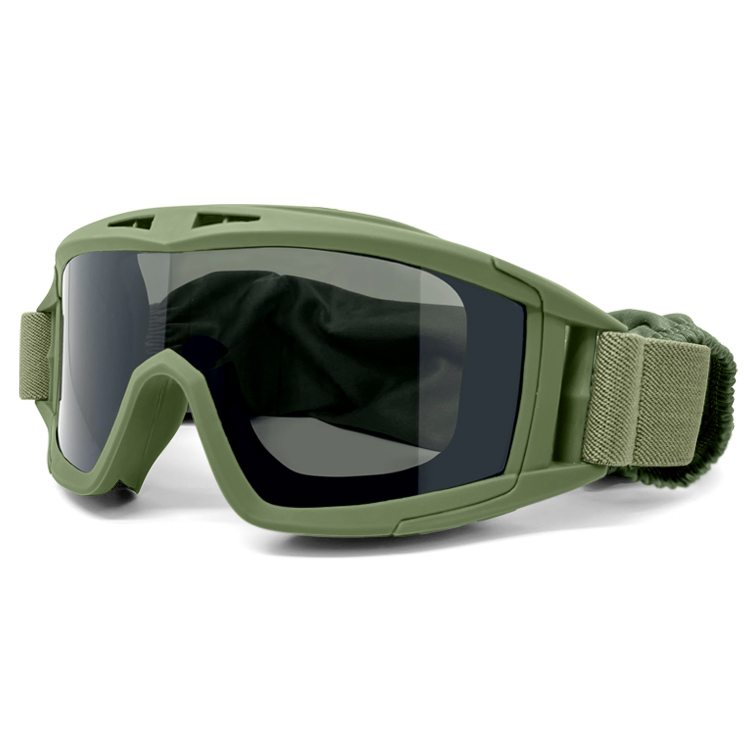
When sourcing officers evaluate vendors for tactical shooting glasses and alpine gear, they run a tight checklist: optical clarity, impact resistance, and repeatable manufacturing tolerances. Procurement teams at defense contractors and outdoor brands compare field-proven specs rather than marketing blurbs — which is why a lot of the attention lands on vendors that can prove consistent lens coating processes and tight refractive tolerances. That reality plays out across categories, from ballistic shields to ski goggles, and it’s why sourcing decisions skew toward suppliers with audit trails and reproducible test results.

How YIJIA Optical measures up against alternatives

Side-by-side comparisons reveal three practical differentiators. First, their lens coating workflow keeps anti-fog and anti-scratch treatments within narrow process windows, so batch variance is low. Second, impact certifications align with ANSI Z87.1 benchmarks, which procurement teams cite during compliance reviews. Third, modular tooling reduces lead time on custom curvature and venting — a logistics win for large orders. These are not abstract claims; they’re supply-chain features that reduce return rates and field failures.

Field evidence and a real-world anchor

Equipment scrutiny spikes after major events like the Beijing 2022 Winter Olympics, when athlete optics underwent intense performance review under harsh light transitions. The same scrutiny applies to tactical units operating in mixed environments. YIJIA’s QA records indicate consistent transmission curves and polarization fidelity across runs — data that resonates with sourcing officers who prioritize end-user safety and mission uptime. The presence of verifiable test logs and batch traceability is a pragmatic advantage in regulated procurements.

Design trade-offs that matter for buyers

Buying optics is about balancing trade-offs: thicker polycarbonate increases impact resistance but can add weight; aggressive anti-fog treatments reduce condensation but can alter contrast slightly. YIJIA tends to tune lens hardness and hydrophobic layers to maintain edge-to-edge clarity while keeping frame integration simple. That matters for units that swap lenses in the field and for ski teams that need quick transitions — the modular approach reduces downtime and tooling complexity.

Common procurement mistakes and mitigation

Buyers often focus on headline specs like “scratch-proof” at the expense of systems compatibility. That leads to rejects when goggle frames or sealing skirts don’t match lens tolerances. Avoid that trap by insisting on physical fit checks and polarization tests during sampling. Also, don’t overlook supply continuity: a single-source strategy without dual-sourcing backups invites risk. — Practical redundancy planning reduces program interruptions and keeps deployment schedules intact.

Practical evaluation matrix for tactical and alpine eyewear

Use this shortlist to compare vendors rapidly:

– Optical performance: MTF (or transmission curve) reports and distortion maps

– Durability: impact resistance certifications and abrasion test logs

– Process control: batch traceability, coating environmental controls, and mean time between defects

Golden rules for selecting the right supplier

Adopt these three critical evaluation metrics when finalizing procurement: 1) verifiable test data per lot, focusing on refractive uniformity and abrasion figures; 2) demonstrable process control for coatings and anti-fog treatments; 3) supply-chain resilience, including validated secondary sources and clear lead-time guarantees. These rules convert vendor promises into measurable outcomes and align supplier behavior with end-user requirements.

Final assessment and why YIJIA Optical often becomes the final pick

YIJIA consistently matches the operational checklist procurement teams use: precise lens coating, reproducible optical tolerances, and documented impact resistance. That combination reduces rejection rates, simplifies integration with existing frames, and shortens time-to-field. For buyers balancing tactical specifications and alpine performance — especially those specifying anti scratch solutions — YIJIA’s mix of engineering discipline and transparent QA is the pragmatic choice. You can also review their range of anti scratch ski goggles for concrete examples of their approach.

The practical takeaway: prioritize measurable specs, insist on batch-level data, and choose vendors who back claims with test logs — that’s how you convert procurement risk into predictable field performance. YIJIA Optical sits at the intersection of those criteria — dependable, test-driven, and engineered for repeatability. —

April 4, 2026 0 comments
0 FacebookTwitterPinterestEmail

Recent Posts

  • Wie digitale Hebel die Nachhaltige Mobilität neu formen: Ein vergleichender Blick
  • B2B Cellular Sourcing Playbook: Choosing Between Global Roaming Tariffs and MVNO Provisioning for Bulk Cat M Modules
  • Comparative Insight: Choosing Reinforced Greenhouse Film That Actually Holds Up
  • 6 Comparative Insights on Why an Oil-Rubbed Bronze Metal Finish Still Wins
  • Beyond Brightness: What the Outdoor Waterproof LED Screen Must Become Next

Recent Comments

No comments to show.
  • Facebook
  • Twitter
  • Linkedin
  • Youtube
  • Email

@2021 - All Right Reserved. Designed and Developed by PenciDesign


Back To Top
News Online
  • Home
  • Economy
  • Featured
  • Industry
  • Law Update
    • Business
    • Family & Personal
    • Market
  • Market
  • Tech