Problem-driven opening: why this checklist exists
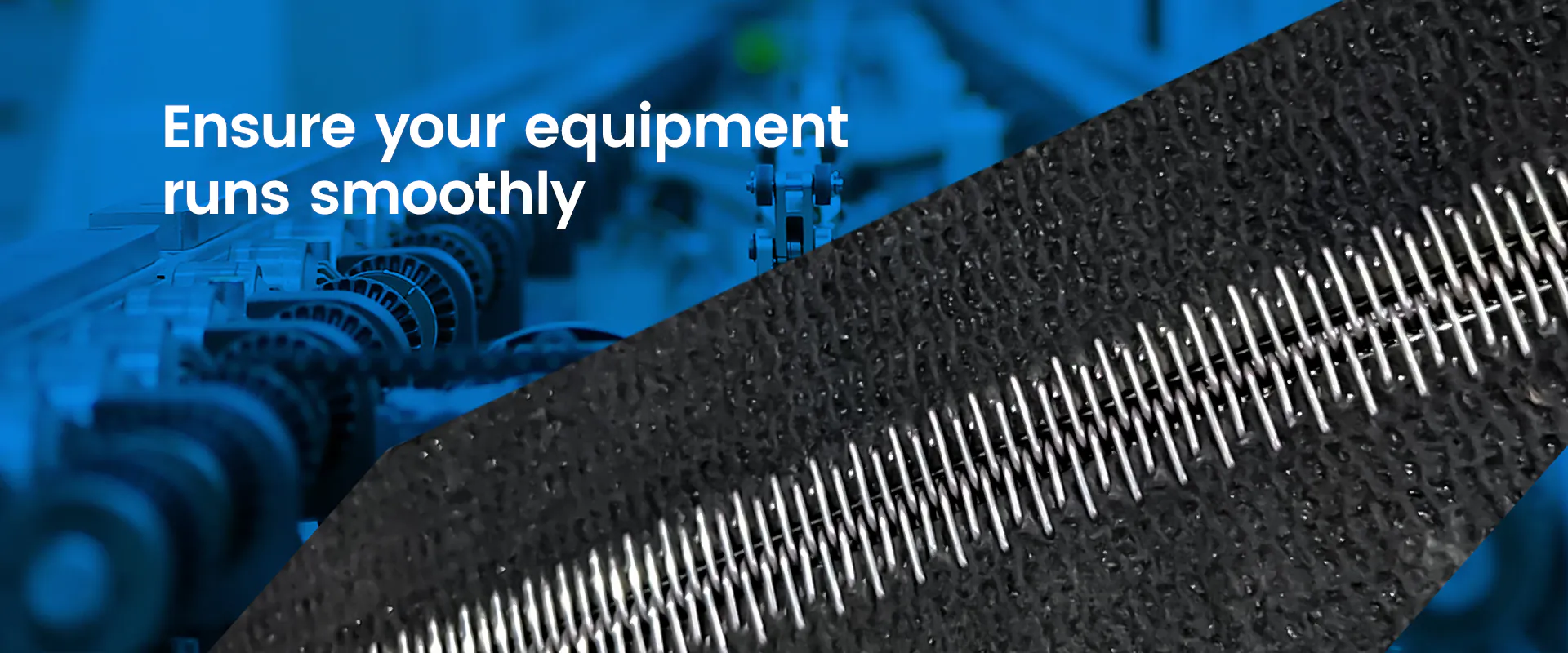
Most maintenance crews face the same handful of recurring faults, and treating each as a one-off wastes time. This piece draws from field notes and shop-floor patterns to tackle 34 tangible failure points you will meet on conveyor lines—starting with choosing the right belt fastener manufacturer for the job. For practical clarity, I reference common production setups and show how simple checks prevent long stoppages.
Top failure categories you’ll encounter
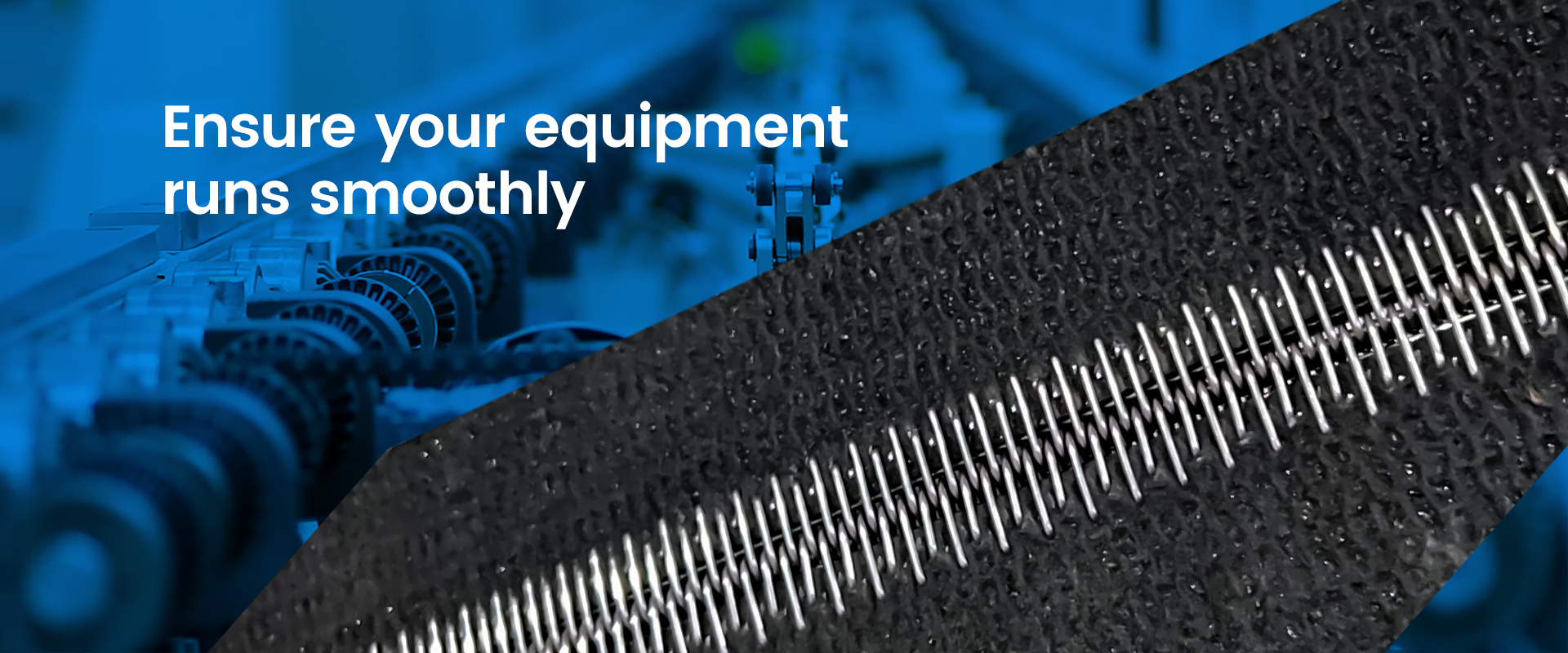
Failures cluster into five categories: mechanical wear, improper installation, material mismatch, environmental attack, and operational misuse. Within those five you’ll find the 34 specific symptoms — frayed ends, loose buckle assembly, splice lift, corrosion at the joint, and sudden shear failures under peak load. Keep an eye on tensioning and shear strength measurements; they often tell the story before visual wear appears.
Fast triage: a step-by-step field checklist
Start with a quick triage to prioritise repairs. Inspect splice integrity, check belt tension, run a visual corrosion assessment, and confirm load rating vs actual throughput. Use a simple torque gauge for buckle assemblies and a portable hardness tester if you suspect substrate weakness. These checks save hours of trial-and-error and narrow down whether you need a stop-gap clamp or a full re-splice.
Root causes and fixes — grouped for quick action
Group fixes by cause: for installation errors, retrain teams on consistent clamp spacing and torque; for material mismatch, swap to a fastener with proven corrosion resistance and higher load rating; for wear, examine conveyor alignment and replace worn idlers. It helps to document each change with before/after tension readings — that gives you data for repeatability.
Real-world anchor: lessons from port operations
Across terminals like Colombo Port, even small inefficiencies ripple into big delays. There, technicians I’ve worked with prioritised splice quality and corrosion checks because container throughput magnifies every weak link. The practical lesson: preventive checks at set intervals reduce unexpected stoppage and protect throughput figures.
Common mistakes teams keep making
Teams often over-tighten buckle assemblies, thinking more tension equals less slip — but excessive tension raises wear and increases shear stress at the splice. Another frequent error is choosing a fastener by price alone; bargain clips may lack corrosion resistance or adequate shear strength for your belt’s load. Lastly, maintenance records are often sketchy; maintain clear logs with tension, torque and splice type noted.
Testing, tools and short protocols
Use three simple tests: a visual splice inspection, a tension readout, and a sample loading test. Keep a calibration schedule for torque tools and a replacement plan for worn clamps. Include one industry term here: when you measure load, capture both static and dynamic belt tension values to spot transient peaks that kill splices.
Alternatives and retrofit choices
If direct-clip fasteners fail repeatedly, consider welded-on mechanical couplers or vulcanised splices depending on belt compound. Each alternative has trade-offs in downtime, splice strength, and required skill. Retrofit decisions should weigh long-term operating hours against immediate repair cost—balance is the practical choice.
Field note — human aside
Don’t underestimate the simple things — a misaligned pulley can repeat-spoil even the best splice. Small alignment fixes pay for themselves quickly. — Keep a log and a simple checklist next to the line; it makes training consistent and reduces guesswork.
Advisory close: three golden rules for selecting the right strategy
1) Match fastener load rating to measured peak tension, not nominal belt rating. 2) Prioritise corrosion resistance and shear strength when operating in humid or coastal sites. 3) Insist on documented installation parameters — torque, clamp spacing and splice type — for each repair so you replicate success.
Final practical thought: the right choices cut downtime and protect throughput — that’s why a site audit that leads to consistent installation and quality fasteners always pays back. Intake — a partner that understands field realities and helps you lock in reliability.