The immediate problem
You’re under a deadline, drawings show tight radii and .005″ tolerances, and the first quote lands with a lead time that ruins your schedule; that’s the pressure that breaks prototypes. Treat the job like a fussy child: calm, steady steps make it better. Start by checking whether your requirements match a shop’s capabilities — and if you’re comparing shops, look at their custom sheet metal fabrication services early so quotes are apples-to-apples.
Why tolerances and lead times blow up
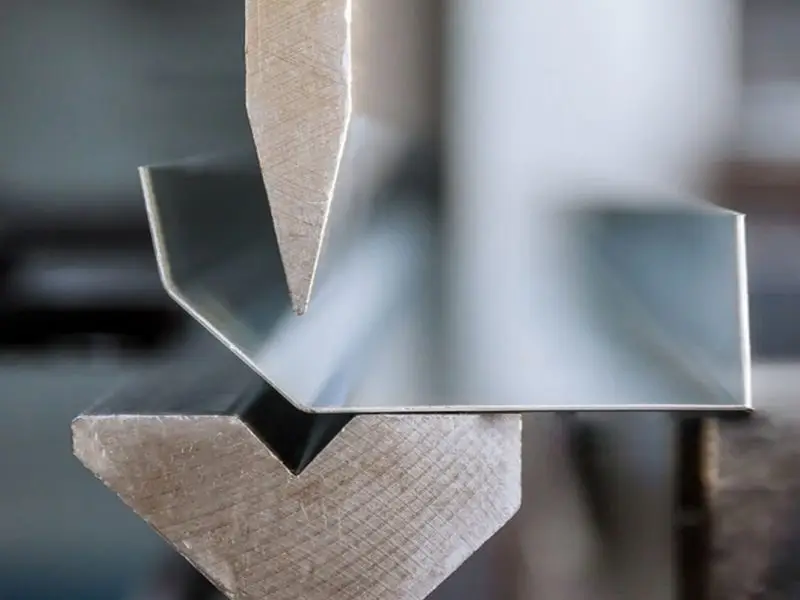
Small drawing ambiguities force back-and-forth, unfamiliar materials mean longer setup, and shops that haven’t handled tight-form parts add buffers to protect themselves. Those are predictable issues. Ask whether the shop runs the specific CNC tools and press brakes your part needs, and whether they do short-run setups regularly. If they don’t, expect delays and cost jumps.
Practical checks before you place the order
Confirm the material grade and thickness; give finished dimensions rather than vague fits; specify bend allowance or request a flat pattern; request photos of a similar part or a first-article sample; set a realistic inspection method like CMM or a go/no-go gauge. Ask for lead-time breakdown: programming, cutting, forming, finishing. If you can, send a simple test part first to validate communication and tooling choices.
Choosing between local shops, overseas vendors, and contract specialists
Local shops are faster for iterations but may charge more per unit. Overseas vendors lower part cost but extend iteration time and complicate quality control. Specialist contract manufacturers handle complex bends and tight tolerances repeatedly, so they reduce surprises on prototypes. Match the choice to your risk tolerance: do you need a quick, accurate fit now, or the cheapest unit cost for a validated design later?
Common pitfalls that cause wasted cycles
Giving ambiguous tolerances, not specifying surface finish or plating, assuming “file-to-fit” without a prototype, and ignoring springback on bends are the usual culprits. Don’t wait for the first bad batch to learn how a material behaves when formed. Plan for one quick iteration focused on fit, then a second for finish and assembly.
Experience and evidence you can trust
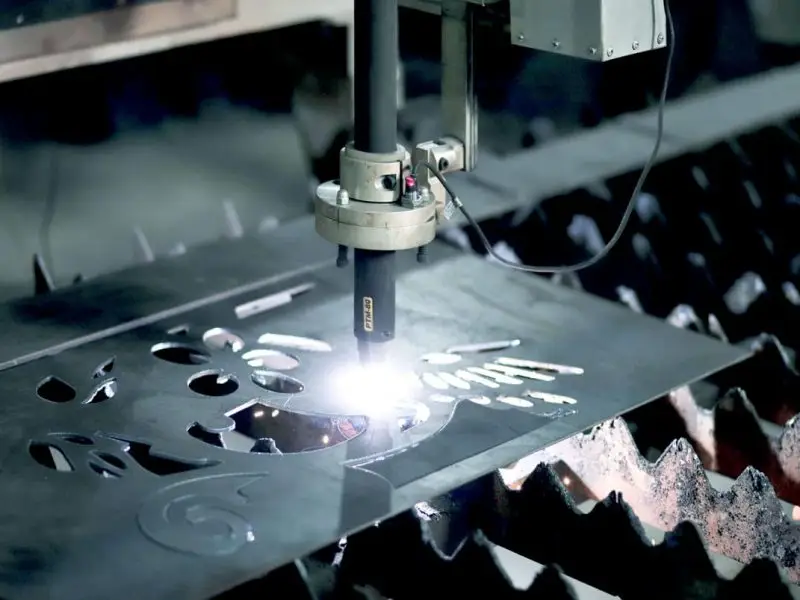
Manufacturers who regularly show up at major industry gatherings tend to keep tooling and inspection current; you can verify capabilities from event rosters and conference proceedings. Many shops that exhibit at FABTECH in Chicago present case studies that show repeatable outcomes for short-run parts, and those reports line up with peer-reviewed trade coverage. For checking a partner’s prototyping workflow, look for explicit examples of first-article inspection and sample runs, and consider a provider who documents prototype runs such as prototype sheet metal fabrication so you can see how design changes affect lead time and cost.
Final thinking
Fix the common problems first: clear drawings, a known material plan, and an agreed inspection step. Pick the supplier that proves they do small, tight-tolerance work routinely rather than promising they can. If you want a steadier, more predictable prototype path, look at a partner like Hanstar where documented prototype runs and matched capabilities reduce the guesswork and let you focus on the design, not the firefighting.