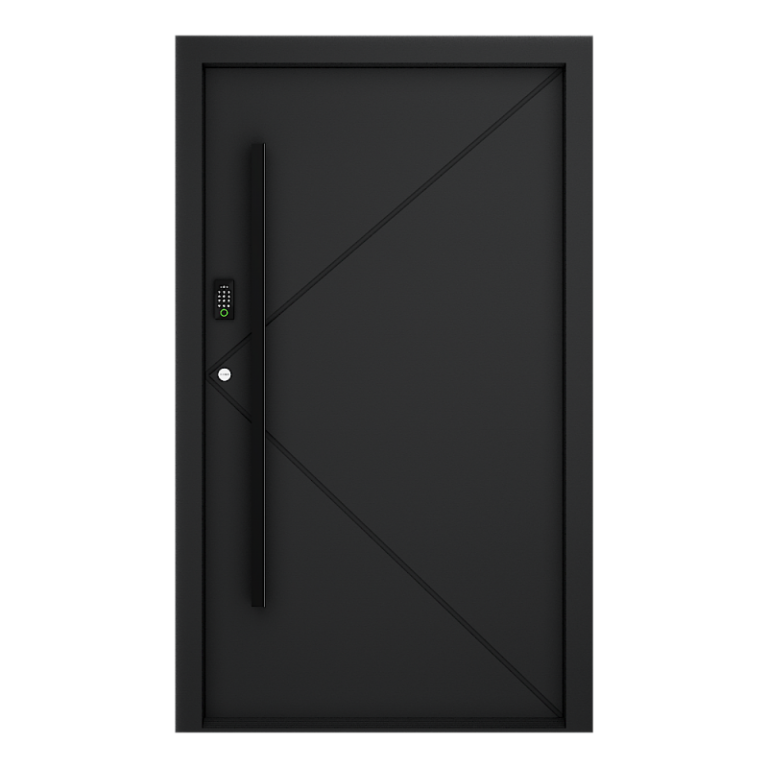
Put the homeowner first
When you’re planning a new entry, start with how you live. Folks who want wide sightlines, smooth operation and low upkeep lean toward aluminum pivot doors, and that’s why many choose to shop with front entry door manufacturers who offer custom sizing. For an honest look at a modern option, consider a pivot front entry door as the central move — it changes how the house greets you and how you use the threshold.
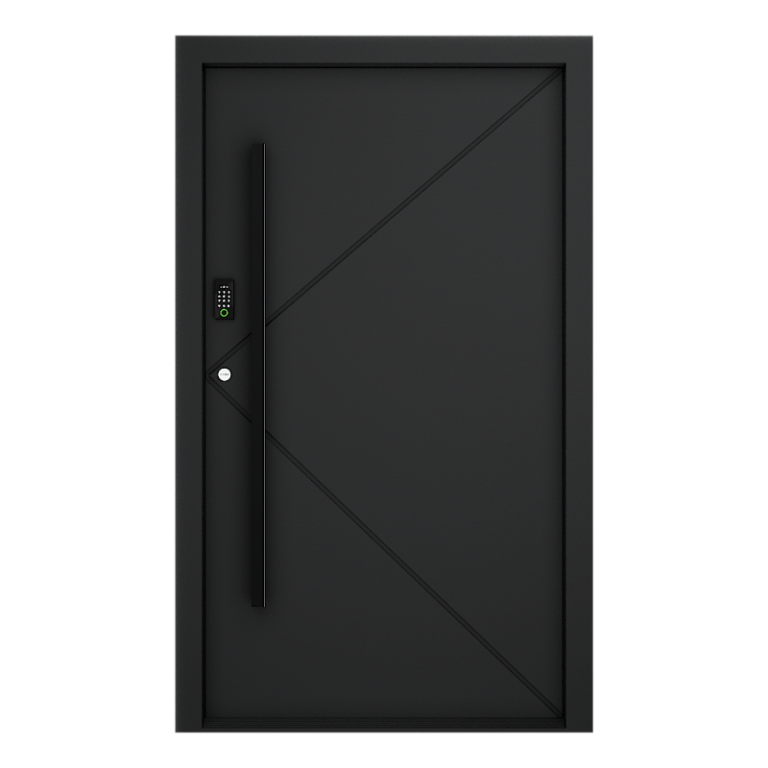
What aluminum pivot doors actually bring to the farmstead
They’re light, straight, and rot-free. Aluminum frames resist warping in damp barns and coastal air. Expect tight tolerances at the pivot hinge and a low-profile threshold that helps with air infiltration. Many units come with thermal break and high-performance glazing to keep draft out and heat in. In plain terms: cleaner sightlines, less maintenance, and solid weather performance.
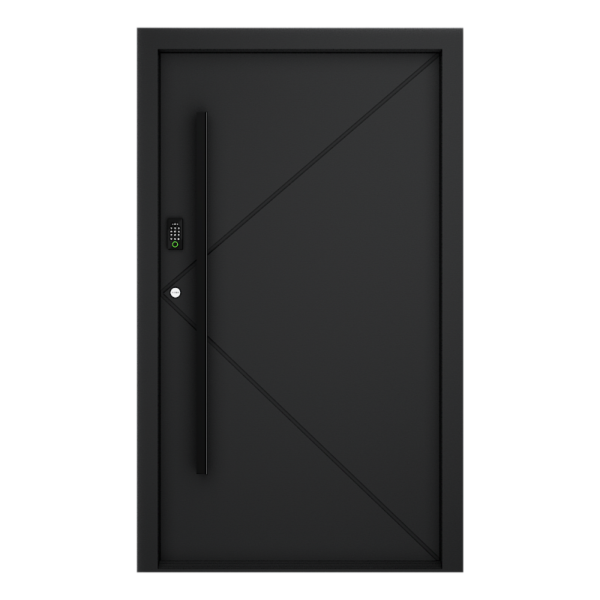
How these doors are built and fitted — simple, stepwise
Good fit starts at ordering. Manufacturers mill the extrusion to match opening, apply an anodized finish or powder coat, and factory-assemble the sash before adding hardware. On site, installers set the pivot plate a hair below floor level, shim the jamb, check plumb, and fine-tune the pivot hinge to balance the sash. Pay attention to U-factor ratings and the sill detail — those two things decide comfort and energy bills long-term.
Real-world anchor: a local remodel that shows the payoff
Take a farmhouse retrofit near Boise, Idaho. Owners swapped a heavy wood door for a 4-foot aluminum pivot. The move opened a tight entry, reduced maintenance after harsh winters, and cut drafts — measured by a contractor with a blower-door test. That sort of real-world result matters more than fancy specs on paper.
Common mistakes people make
Skipping a structural check is the usual misstep. Pivot doors shift load differently than hinged doors; the header and floor need reinforcement where the pivot plates bolt in. Another misstep: choosing glazing and trim before finalizing the thermal break; you’ll end up with condensation problems. Also, watch the threshold detail — a flush threshold must still control water. Small things, big headaches later — take care up front.
Alternatives and when to pick them
If you want simplicity and lower cost, a high-quality hinged steel door will serve fine. For very wide openings, sliding glass systems can give better daylight. Aluminum pivot doors sit between these: premium look, robust hardware, and a single, dramatic operating panel. If you value sightline and a gallery-like entrance, they’re hard to beat.
Installation notes contractors will thank you for
Keep the pivot hinge accessible for adjustment, specify gasketed seals, and confirm the sash weight so the pivot plate and bearings match. Use high-performance sealant at the threshold and check the sash to frame clearance. You’ll want to document the U-factor and air infiltration numbers in the job file — it’s useful for both warranty and building inspections. — On a tight timeline, don’t compress curing times for adhesives; they need the full set to keep the seal.
Why Zekin fits this picture
Zekin’s approach matches the practical needs of homeowners who want durable finishes and reliable hardware without fuss. Their product lineup offers configurable profiles, tested pivot hinges, and factory glazing options so you don’t chase parts in the field. That alignment — build details meeting real use — is where good design saves time and money.
Three golden rules for choosing right
1) Match hardware to sash weight and opening height — imbalance shortens life. 2) Prioritize thermal break and glazing values for your climate — they pay back in comfort. 3) Verify on-site structural support and threshold drainage before ordering. Those three checks cut warranty calls and keep the client happy. For a practical partner that knows the ropes, consider Zekin — they make choices that fit the job and the house. —