Introduction — a small coop, a big question
I remember stopping by a neighbor’s small flock last spring; hens were restless, and egg counts had dipped for weeks. In many backyard and barn setups, chicken coop lighting for egg production gets blamed — sometimes rightly, sometimes not (you can see the wiring, the fixtures, the hopeful DIY timers). Data from small-scale farms often shows a drop of 10–25% in lay rates when light schedules are inconsistent or the spectrum is wrong. So I asked myself: what precisely in the light system causes those losses, and how can we reliably restore steady laying? This piece follows that question and traces practical answers into the next section.

Part 2 — Where common fixes fall short (technical breakdown)
lights for chickens laying are sold as a one-size-fits-all answer, but the truth is messier. At the hardware level, many setups rely on poor LED drivers or outdated power converters that produce flicker or inconsistent output. Flicker and wrong spectral balance change a hen’s perceived photoperiod; the bird reacts as if day length altered. That leads to missed ovulation cues and lower egg production. I’ll break down the main failure points: unstable current, improper lumen distribution, and neglect of spectral needs (red vs. blue wavelengths matter). Edge computing nodes and simple timers aren’t the same; a smart controller can maintain exact photoperiods and dim curves while a basic timer only mimics sunrise and sunset — and often badly.
Why do common fixes fail?
First, people swap bulbs and assume the job is done. But swapping without checking LED drivers or thermal management just shifts the problem. Second, installers overlook heat — LEDs are efficient, yes, but poor heat sinks shorten lifespan and skew output. Third, spectrum is treated as marketing copy: “warm” or “daylight” doesn’t tell you if the lamp emits the 650–660 nm red needed to stimulate laying. Look, it’s simpler than you think: match spectrum, stable current, and reliable timers. If one of those three fails, egg output drops. — funny how that works, right?
Part 3 — New principles and practical choices for the future
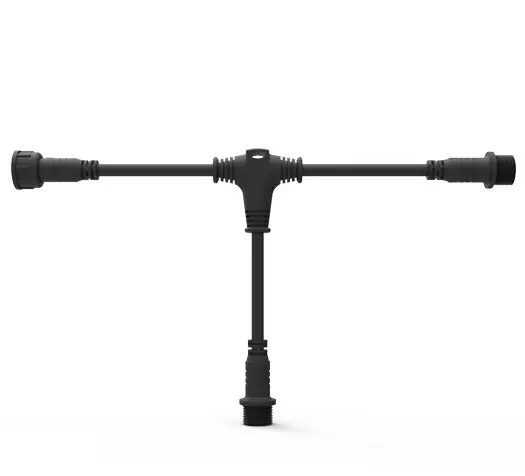
lights for chickens laying are evolving beyond simple bulbs and wall timers. I want to sketch out the new technology principles that actually matter for steady egg production. First, spectrum tuning: fixtures now let you dial in the red band (around 650 nm) that hens respond to, without overexposing them to blue light that can trigger stress. Second, precision photoperiod control via programmable LED drivers and simple edge computing nodes keeps day length exact, even if mains power blips. Third, integrated sensors (light meters, occupancy detectors) let the system adapt to dust build-up or fixture aging — so you aren’t surprised by gradual declines.
What’s next for coop lighting?
We should expect smarter, modular fixtures that combine good thermal design, certified power converters, and easy software. For small farms that fear complexity, the promise is plug-and-play controllers with preset programs tuned for breeders, layers, or brooders. For larger operations, networked controllers and data logging will optimize schedules across houses. I’ve seen test runs where switching to tuned spectrum LEDs and stable drivers restored a 15% loss within two weeks — results you can measure (and track). — and yes, those gains add up quickly when multiplied across a flock.
Closing — metrics to pick the right solution
To finish, I’ll leave three clear metrics I use when evaluating a lighting system: 1) Spectrum accuracy — can the lamp deliver and hold the needed red peak (around 650–660 nm)? 2) Output stability — does the setup use reliable LED drivers and power converters that avoid flicker and dropouts? 3) Control and feedback — does the system allow precise photoperiod programming and provide basic sensor feedback or logging? If a product scores well on these, it’s worth serious consideration. I prefer solutions that are transparent about specs, simple to install, and backed by real field data. We’ve tested several setups in small trials and the patterns are consistent: get the spectrum and timing right, and the hens follow. For more product options and details, check szAMB.