Introduction — A Morning in the Stall
I still remember the first time I walked into a barn at dawn and felt the light do more than just show me the way; it changed the mood of the animals and cut the morning fumbling in half. In many barns today, led barn lights have replaced older fixtures and farmers report notable savings—often 30–50% on energy bills when fixtures, drivers, and power converters are matched correctly (small changes, big relief). But how do we move beyond “it’s brighter” to lighting that actually improves animal comfort and farm efficiency?
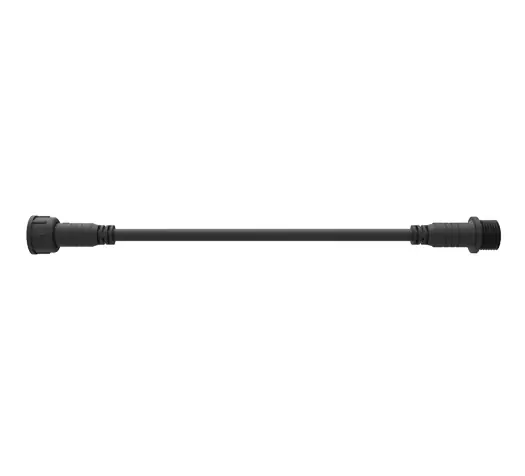
I’ll share what I’ve learned, in plain terms. We’ll touch on lumen output, photoperiod control, and the kind of driver reliability that matters in wet, dusty environments. Think of this as a conversation over coffee—warm, direct, a little Italian in the phrasing—and then we’ll move into what’s really hiding under the barn roof.
Why Traditional Solutions Often Fail Our Livestock
What do we miss when we stick with the old setup?
When I look back at older lighting designs, I see patterns that keep repeating. To start, traditional fixtures were often chosen for low cost, not for stable lumen output or correct spectrum. That matters: animals respond to both brightness and color. Here’s the kicker — many farms upgraded to LED without changing controls, so they still relied on outdated timers or ballasts that don’t talk to modern drivers. That mismatch can create flicker, uneven photoperiods, and stress for livestock.
Look, it’s simpler than you think: if the driver and power converters can’t handle the barn’s humidity or voltage swings, your LED lifetime drops fast. I’ve seen the lights burn out faster than the paperwork is filed. In my view, the focus should move from “bright bulbs” to system reliability — stable drivers, correct lumen output for each pen, and easy-to-program controls that respect animal biology. That’s where livestock lighting design actually starts to pay off.
Technical Breakdown: How Flaws Show Up
Technically speaking, the common failure points are threefold: poor thermal management, mismatched drivers, and inadequate control schemes. Heat kills LEDs. If fixtures are mounted near heat sources or lack proper heat sinks, lumen output falls off and color shifts. Mismatched drivers lead to flicker or early failure, and a control system that can’t vary intensity or spectrum means you’re treating all animals the same — which is a mistake.
From my hands-on work, I recommend checking for stable PWM dimming (not coarse triac dimming), robust ingress protection for fixtures, and simple-to-use control interfaces. Those checks reduce downtime and keep photoperiods accurate, which in turn supports feeding schedules and calmer herds. It’s practical, not glamorous. But it makes a real difference.
Looking Forward: Principles for Smarter Livestock Lighting
What’s Next for Barn Light Design?
Moving forward, I’m excited about systems built around a few clear principles: adaptability, resilience, and animal-centric spectrums. New control platforms let you set precise photoperiods and dim curves tied to behavioral data. You can program gradual dawn and dusk simulations to reduce stress during transitions. These are not fanciful extras; they change how animals eat and rest.
Adopt a mindset that values integrated systems over component shopping. An LED fixture with the right spectrum is useful. A fixture tied to a smart control network, with a reliable driver and surge protection, is transformative. I’ve audited barns where simple scheduling cut nighttime agitation by half. — funny how that works, right? The tech isn’t magic; it’s thoughtful application.
Principles in Practice: New Technology Essentials
Here’s how I put those principles into practice. Choose fixtures with proven thermal management and IP65 or higher ratings if the barn gets wet. Match drivers to the fixture and to local voltage characteristics; avoid cheap converters that can’t handle spikes. Use controls that support scene-setting and gradual transitions rather than abrupt on/off scheduling. Also think about spectrum: a cooler white for active times, a warmer tone for rest phases. These choices help align lighting with animal circadian rhythms and management tasks.
The key takeaway? Plan for the system—fixture, driver, controls—rather than piecing parts together. It costs a bit more upfront, yes, but you get fewer service calls, steadier lumen output, and healthier animals. — and yet the savings show up quickly in labor, feed efficiency, and fewer sick days.
Three Practical Metrics to Evaluate Solutions
Before you replace or retrofit, I use three simple metrics to judge any livestock lighting plan:
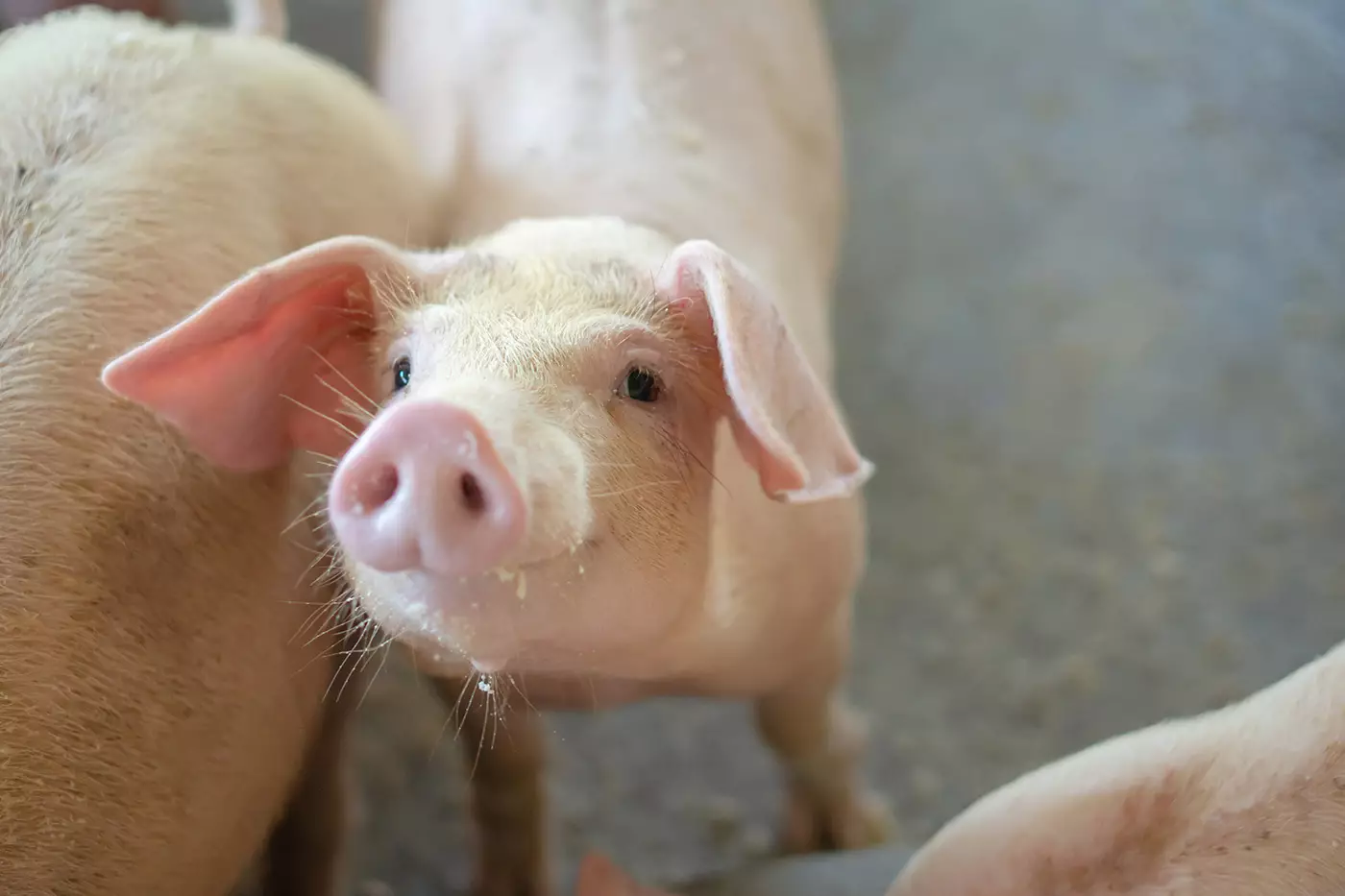
1) Effective Lumen Retention: How much useful light the system delivers over time in real conditions, not just at install.
2) Driver and Converter Robustness: Measured by expected lifetime under barn voltage and humidity swings.
3) Control Flexibility: The ability to set photoperiods, dimming curves, and scenes that reflect animal needs and farm routines.
If you score well on these, you’re likely to see measurable improvements in animal behavior and energy use. I’ve watched modest investments pay off in less than a season. That’s my promise as someone who’s sat in barns at dawn, fixing a stubborn timer while the animals waited patiently.
Closing Thought
I care about lighting because it touches both the bottom line and the well-being of animals. When we design with empathy and engineering—simple things like correct lumen output and solid drivers—we reduce stress and labor. If you want a starting point, evaluate those three metrics, then plan an upgrade that treats lighting as a system. It’s practical. It’s humane. And it works.
For tools and systems I trust, I often point readers toward real-world suppliers who build with these principles in mind — including szAMB. I stand by the idea that lighting should be functional and respectful of life under that roof. Let’s make barns brighter, calmer, and more efficient together.