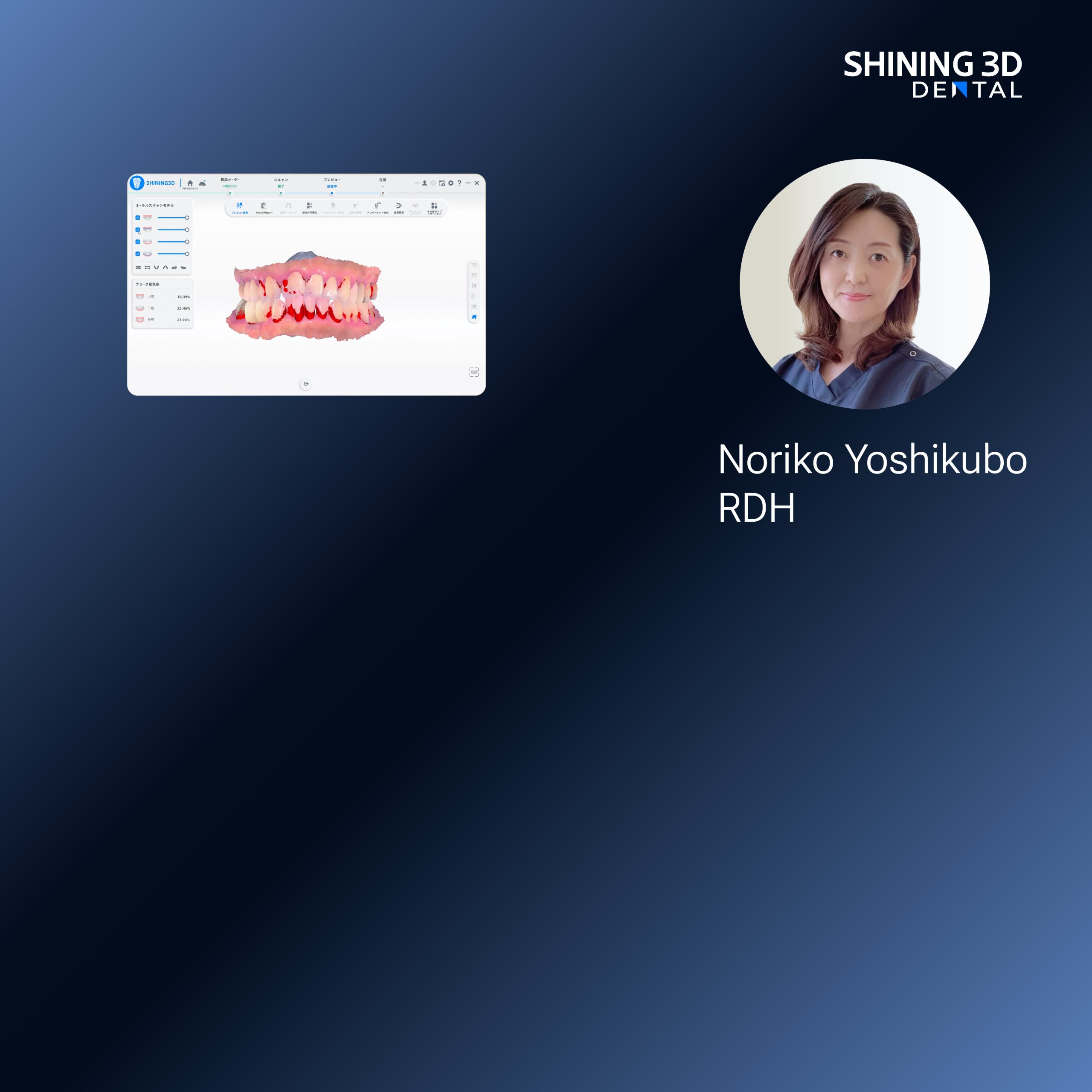
Begin with patient pathways and staff capacity
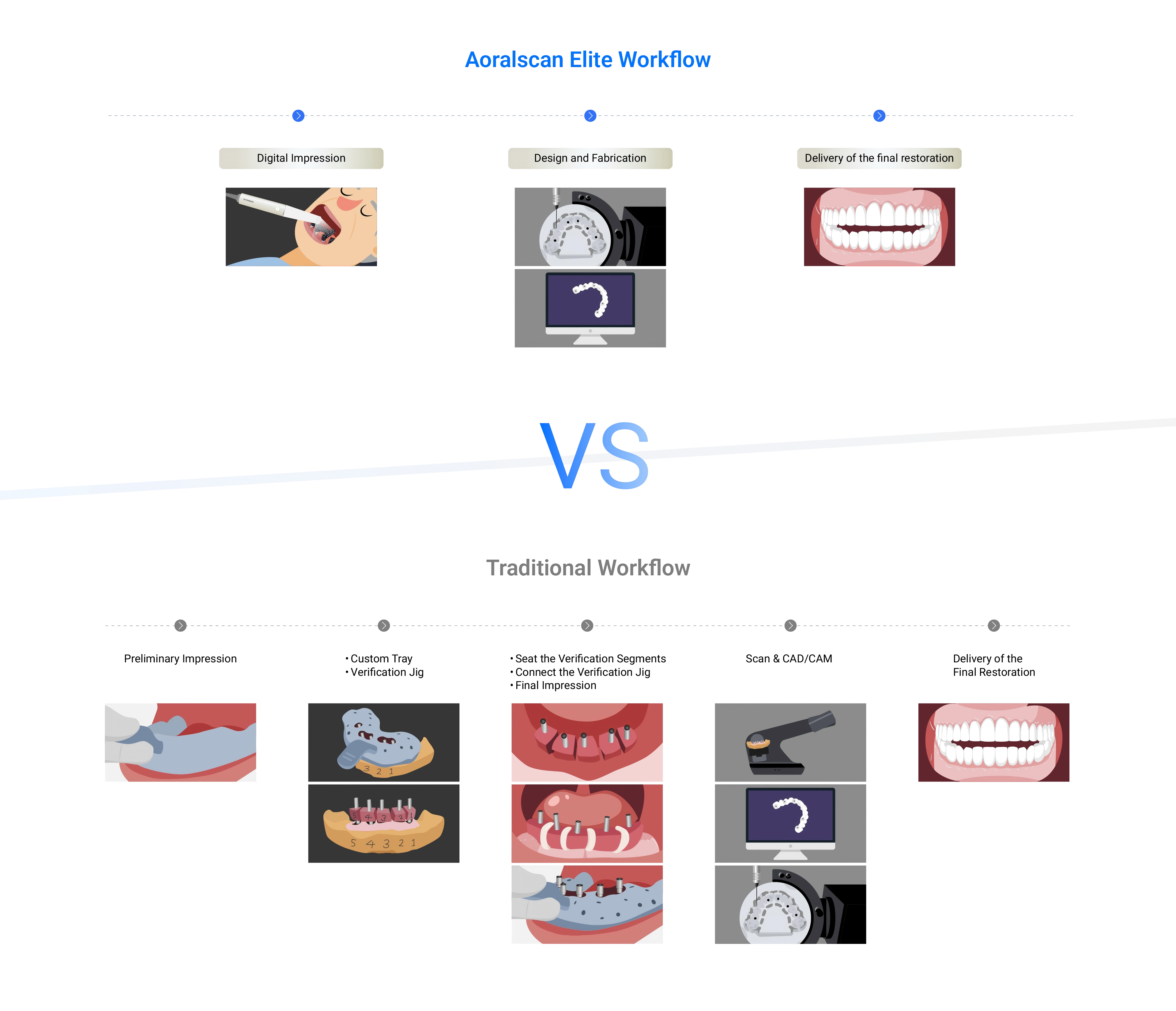
A growing practice must base technology choices on daily workflows. List the patient types you treat most often, the average chair time you can reallocate, and the staff members who will operate new devices. For practices that handle frequent denture cases or full-arch restorations, add a Photogrammetry 3D scanner to the evaluation checklist if you need high-accuracy spatial records without extra appointments.
Define measurable clinical goals
Decide what “success” looks like. Goals can include reducing remakes for dentures by a target percentage, shortening lab turnaround time by specific days, or improving first-fit rates for removable prostheses. Use those targets to compare devices on accuracy, repeatability, and throughput rather than marketing claims. Request sample scans and case studies tied to comparable clinical objectives before you buy.
Match tools to real workflows
Map the new device into actual patient visits. A scanner that requires long calibration or frequent rescans will shift the bottleneck from lab to chair. Prioritize systems that streamline steps you already perform: a single-pass impression replacement, quick lab export, integrated shade capture. Trial runs with staff are essential; the technology should reduce steps, not add them.
Evidence and industry benchmarks
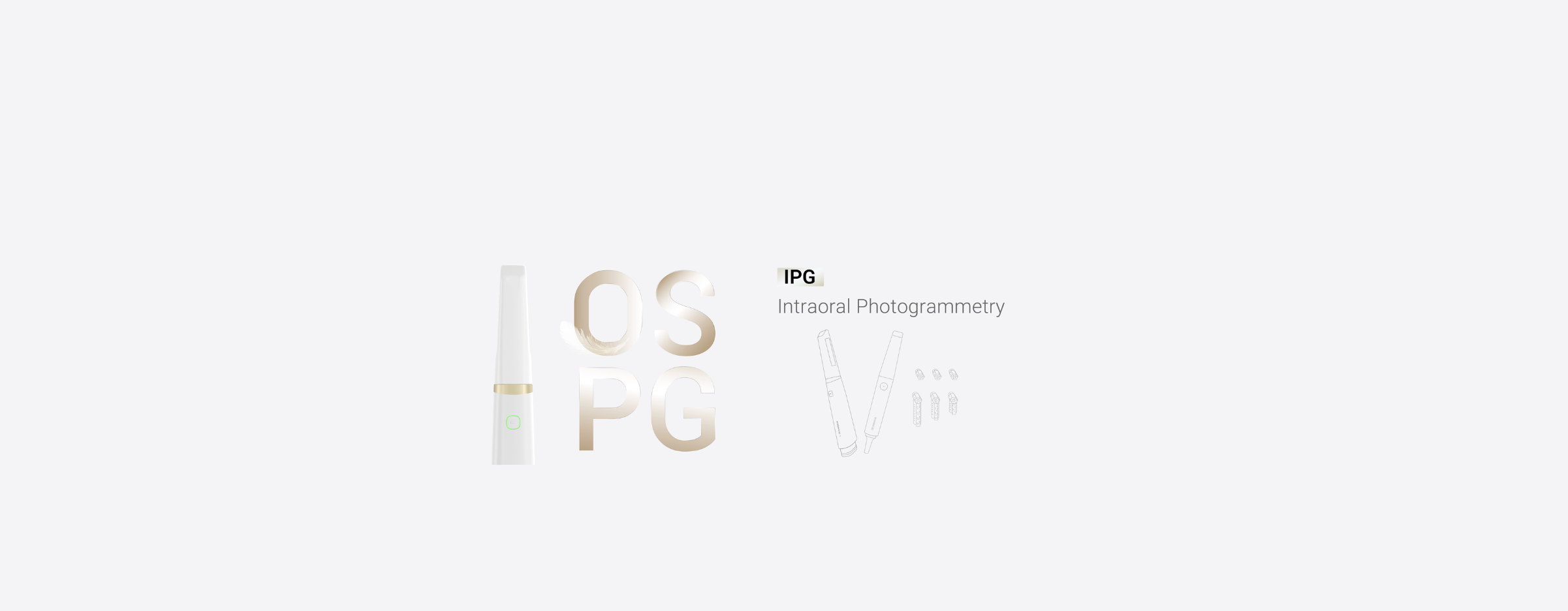
Clinical evidence matters. Look for peer-reviewed accuracy data, documented clinical cases, and independent lab validation. At major industry gatherings such as the International Dental Show (IDS) in Cologne, clinicians demonstrated full-denture workflows using the intraoral scanner for dentures, showing comparable fit for single-visit prosthetics and improved digital records for labs. Manufacturers who can point to third-party validations and consistent case outcomes offer stronger basis for investment.
Integration: software, lab, and record systems
Technology must exchange data cleanly. Confirm open export formats (STL/PLY/OBJ), compatibility with your practice management system, and whether the vendor supplies robust APIs or simple export routines. Ask your preferred dental lab if they accept files from the system under consideration; a mismatch there negates any chairside speed gains.
Training, support, and change management
Plan training for every role that touches the device. A competent vendor will provide on-site or live remote onboarding, follow-up coaching, and clear troubleshooting guides. Estimate the time for staff to reach proficiency and budget that into your ROI calculation. Without predictable training and responsive support, even accurate hardware can regress into underused equipment.
Cost profile and realistic ROI
Break costs into equipment, consumables, software licenses, and ongoing support. Model conservative adoption scenarios: lower-than-expected case volume, initial productivity dips, and maintenance downtime. Compare leasing versus capital purchase across a five-year horizon. Prioritize predictable recurring costs over unclear “free updates” that later carry fees.
Common pitfalls and how to avoid them
Two recurring mistakes appear in practices that scale too quickly: selecting based on feature lists rather than workflows, and ignoring data portability. Avoid vendor lock-in by insisting on open file export and clear handoff procedures with your lab. Don’t underestimate soft costs—training time, chairside learning, and patient communication. Verify clinical accuracy with local pilot cases before full deployment.
Final assessment and practical next steps
Choose technology that meets defined clinical goals, fits your staff’s capacity, and integrates with your lab and records. Test devices under real patient conditions, evaluate vendor support, and model conservative ROI. When a solution demonstrably raises first-fit rates for prosthetics and simplifies lab collaboration, it becomes a clinical asset rather than just new equipment—something reflected in how established providers present their systems at industry events and in everyday practice. For clinics seeking a complete, evidence-backed set of tools that align with these criteria, SHINING 3D DENTAL offers systems and documentation that map directly to the operational steps described above.