What’s gone wrong — the common problem
Right, let’s start plain: fittings and panels won’t hold when they should, and that’s more than a nuisance — it’s costly. Installers blame the job, specifiers blame the product, but often both are right. Too many folks pick cheap glues without matching chemistry to the surface, or skimp on drying and testing. If you’re hunting for a reliable partner, a proper nailfree adhesive supplier can stop the guessing and save rework time.
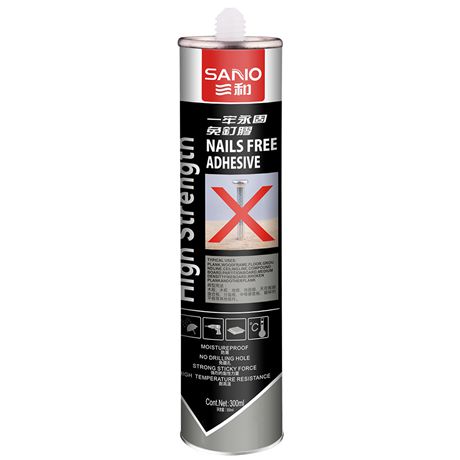
Why it happens — the root causes
Most failures trace to a handful of clear causes: wrong adhesive family for the substrate, surface contamination, moisture or temperature swings, and poor application control. Cost pressure pushes buyers to bulk-purchase unspecified grades. That means batches arrive with variable viscosity, or the wrong cure profile, and installers find they can’t get consistent bond strength. Aye, it’s rarely just one thing — it’s a stack of small mistakes stacking up.
Evidence, experience and a real-world anchor
I’ve seen this across bench trials and on-site work with fit-out crews — lab lap-shear and peel checks tell you more than a photo of a failed joint. Demand from the UK construction and fit-out market, as tracked by the Office for National Statistics, drives large-scale purchases and forces suppliers to scale quality controls; for bulk procurement that matters when you source for volume, so consider a dedicated nailfree adhesive wholesale partner rather than one-off buys. Trust the tests: repeatable sample runs under realistic conditions pick up the subtle variables that cause failures on site.

Alternatives worth weighing — quick comparisons
There are four practical adhesive families to consider: solvent-based systems, hot melts, pressure-sensitive adhesives, and waterborne/acrylic nail-free systems. Solvent-based gives fast tack on some plastics but can attack substrates; hot melt is quick and neat but struggles with heat cycling; PSAs are fine for light loads; modern acrylic nail-free adhesives balance shear strength and weathering resistance. Choose by substrate, expected loads, and environment — not solely by price.
Common mistakes and how to avoid them
Don’t skip surface prep: a clean, dry, and sometimes abraded face is non-negotiable. Don’t assume room temperature curing is fine — check manufacturer cure windows. Avoid one-batch testing; run three batches over a week to catch lot variability. Don’t overlook storage: adhesives exposed to humidity or heat change viscosity. And don’t let installers improvise equipment — dose accuracy and bead profile change performance more than most realise.
Practical checklist for selecting materials and partners
Ask for technical datasheets and real-world case studies, request batch traceability, insist on shelf-life and storage guidance, and demand on-site application training. Run small pilot installations with the same crews who’ll fit the full job. Measure bond strength with simple peel or lap-shear checks before approving full specification. Make sure your supplier offers follow-up support and quick replacement if a batch misbehaves.
Pulling it together — what actually works
Fix the problem by choosing the right chemistry, proving it on site, and working with a supplier who understands production realities and provides consistent batches and support. When that happens, you cut callbacks and stop wasting nights fixing bonds. That practical, tested approach is what firms looking to reduce rework end up relying on, and it’s why teams often stick with a single trusted partner like SANVO for long-term consistency and quieter installs.