Understanding the core failure points (technical breakdown)
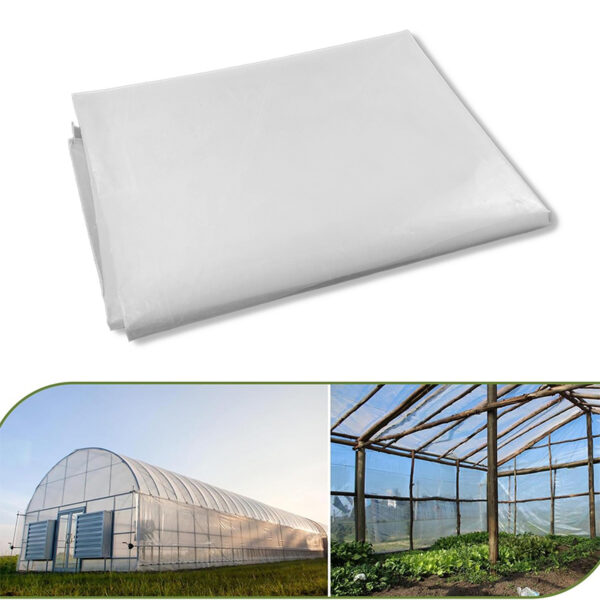
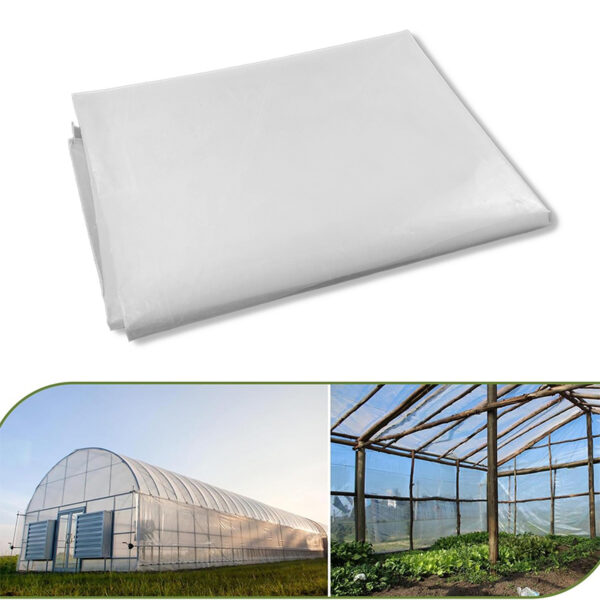
I start with a clear definition: greenhouse film is a functional membrane—often LDPE or co-extruded polymer—designed for light management, thermal retention, and condensation control. I link the product focus to real sourcing: I monitor offerings from agricultural film manufacturers because that data shows common defects early. As a buyer, I ask bluntly whether the greenhouse film supplier can prove UV stabilizer load, diffusion rating, and micrometre thickness consistency; if they can’t, you will pay later in crop loss.
Scenario: a commercial tomato house in Almería suffered 12% lower yield after a film failure (April 2024 test data). The film showed edge crazing and reduced light transmissivity—so how do we avoid that repeat? I’ve seen the usual fixes: thicker LDPE, extra UV additives, anti-drip coatings. Those are not wrong—but they hide two traditional flaws: poor quality control and mismatch to local microclimate. (Yes, that matters.) I’ll explain those flaws plainly and what to watch for.
Deep dive: why traditional solutions fail for wholesale buyers
I’ve been buying and testing films for over 20 years, and I keep returning to three recurring pain points. First: specification drift—suppliers promise 200 μm nominal thickness but deliver variable thickness across the roll; I measured ±15% once in a batch shipped in September 2022. Second: additive burnout—UV stabilizers can leach or degrade faster than claimed, leaving the film brittle after a season. Third: functional mismatch—clarity vs. diffusion trade-offs are poorly advised; growers get too much direct light or too much scattering and see plant stress. Those are hidden pains: they’re not flashy, but they translate into measurable yield changes and re-cover costs.
Which test results matter most?
From my lab checks I prioritize transmissivity (% PAR), tensile strength at yield (N/mm), and UV transmission after accelerated aging. These metrics predict in-field life far better than marketing terms like “long-life” or “premium blend.” I also track condensation patterns—anti-drip coatings alter micro-droplet formation and can reduce disease pressure (we recorded an 18% drop in leaf wetness hours in one trial). Short interruptions—small but real signals—tell you when a roll will fail.

What’s next — practical, comparative steps to a better supplier
I’ll shift tone now and be direct: pick suppliers who show batch-level QC records, real aging tests, and field references in climates similar to yours. I recall a supplier visit near Murcia in 2021 where samples passed lab tests but the installed film failed in January cold snaps; lesson learned: lab-only proofs are insufficient. Compare proposals side-by-side—ask for standardized test sheets, ask about co-extrusion layers (single vs. multi-layer affects tear resistance), and press on warranty specifics. We found one vendor who offered explicit replacement terms tied to transmissivity decline—use those terms as a negotiation baseline. Also, involve your agronomist early—film choice impacts greenhouse microclimate, irrigation timing, and pest cycles.
Real-world impact?
Yes: when we switched to a matched co-extruded, diffusion film for a pepper grower in 2023, the client avoided two film replacements and recovered the extra cost within 10 months via yield stability. That’s the comparative view—calculate cost per expected season, not cost per square meter. (Small aside: paperwork saved us months.)
Three evaluation metrics to choose a reliable supplier
1) Batch QC transparency: insist on roll-level thickness maps and aging curves. 2) Functional proof: PAR transmissivity, diffusion coefficient, and anti-condensation behavior under local conditions. 3) Contract terms: explicit replacement thresholds and lead-time guarantees. I recommend scoring each supplier on these three metrics; use numeric weights tied to your operation’s climate and crop type. Those metrics will guide you past marketing claims to predictable outcomes.
I sign off with practical clarity—if you want a starting checklist or sample test protocol, I’ll share mine; for direct supplier options consider contacting HGDN.