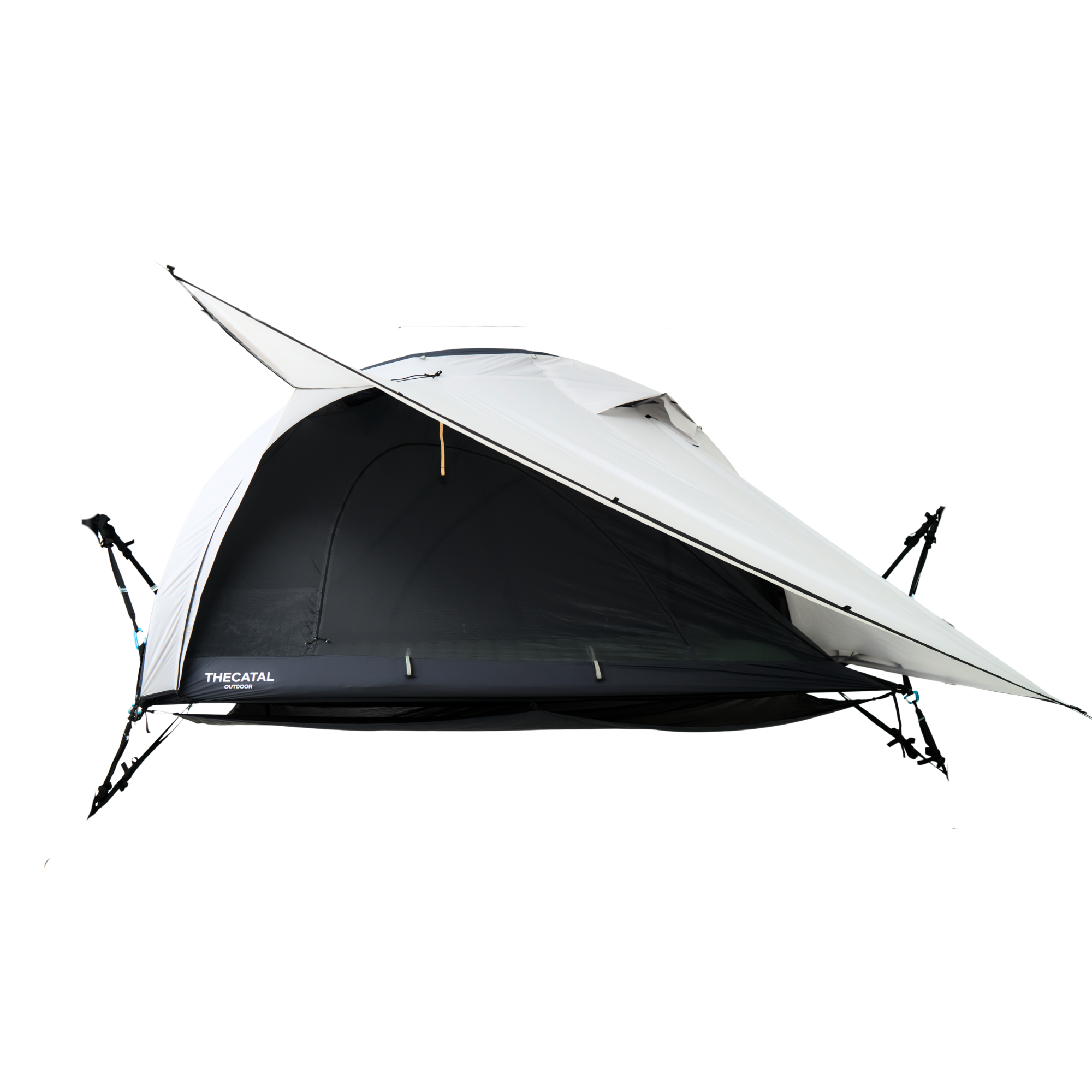
Opening thought
Listen: when you’re comparing compact tents you aren’t shopping for fluff — you’re weighing trade-offs. Is shaving 8 ounces worth a tighter floor? Do you want an easier setup or better ventilation? I look at tents the same way I edit travel videos — tight cuts, clear priorities — and I’ve seen small designs stretch into bigger uses, even as a car extended tent on weekend trips.

Weight vs packed size — the real comparison
Weight matters when you’re carrying everything on your back, but packed size matters when you cram gear into a tiny pack or the trunk. Compare both numbers side-by-side. If a tent trims ounces by using a lighter floor fabric, check the trade: thinner floor = higher puncture risk. For fast-moving hikers, prioritize grams per person and the packed volume; for relaxed trips, give extra space a higher score.
Weather protection — how to compare specs, not buzzwords
Look at the hydrostatic head rating and whether the fly is full-coverage. Seams? Taped seams make a difference. A bathtub floor with 6–8 cm walls stops splash; a partial floor does not. Also compare ventilation openings — tents that promise “ventilated” without dedicated vents often fog up. Test claims against conditions you expect to face, not just the marketing photo.
Setup speed and pole systems — freestanding vs lightweight fixes
Freestanding tents let you move them around and dry them easily; non-freestanding tents save weight but need perfect pitch. Look at pole materials and the attachment system — clips vs sleeves changes setup time a lot. If you change camps at dusk, favor quick clips or a hub-pole design; if you plan long stays, a slightly slower but roomier setup might be fine.
Comfort and livability — vestibules, doors, headroom
Small tents can feel claustrophobic. Compare usable floor area, apex height, and vestibule coverage. Two doors beat one for shared trips; larger vestibules let you stash boots and cook gear without bringing rain into the sleeping area. Don’t be fooled by floor area alone — shape and door placement change usability in real conditions.

Durability and materials — fabrics, coatings, and real wear
Fabrics are listed in denier and coating type. Higher denier usually lasts longer; silicone or double-coated fabrics resist abrasion and age better. Check pole specs and repairability: replaceable poles and available spare parts extend a tent’s life. I trust gear that’s easy to field-repair over gear that looks fragile but saves ounces.
Extras and compatibility — small things that matter
Footprints, inner storage pockets, gear loops, and zipper quality show the maker thought about real use. Footprints protect the floor and extend life; compatibility with aftermarket footprints is a practical plus. Magnetic doors, reinforced stake points, and quality guyline adjusters are low-weight additions that prevent annoyances on windy nights.
Versatility — a quick real-world check
I’ve tested compact tents across backcountry ridgelines and at college football tailgates in the Midwest, where quick shelter and gear storage change a parking-lot setup fast — that mix of conditions reveals weaknesses fast for both sleeping-only tents and those pressed into social use as tailgate tent camping solutions. If a tent survives both, it’s likely well-balanced.
Common mistakes people make
Choosing the lightest model without testing setup, ignoring ventilation and fogging, and skipping seam sealing on a new tent are all repeat offenders. Another frequent slip: assuming a two-person tent means comfortable two-person use; it often means cozy two-person storage-plus-one sleeping arrangement. Try pitching before you buy or buy from vendors with reasonable return policies.
Decision shortcuts by style of trip
If you move fast and solo, weight and quick-pitch systems should dominate your comparison. For weekend partners or basecamp-style hikes, prioritize livability, vestibule space, and durability. For mixed vehicle/backpack trips, favor modularity — a tent that works light on the trail but also expands use when set up at a car site wins points.
Synthesis
Compare with intent: list the three things you won’t compromise on, then rank tents against those. I prefer a balanced tent that doesn’t force you to choose between shelter and convenience; after field-testing designs and using them in varied settings, I find designs that blend weight, weatherproofing, and setup ergonomics deliver the most consistent results — the kind of practical balance I see reflected in gear from THECATAL.