Introduction: A Question That Matters
Have you ever walked past a welding line and wondered whether the air workers breathe will still be a problem in ten years? In many plants, automotive manufacturing welding fume extraction is treated as a checklist item rather than a design priority, yet recent studies show local airborne particulate can exceed safe limits by several times (and that’s not always obvious). What should plant managers, engineers, and safety teams do differently now—before a small problem becomes a costly one?
I want to share what I’ve learned from floor visits, lab reports, and quiet conversations with shop supervisors. I’ll break down where common approaches stumble, and then look forward at real principles that can make extraction systems simpler, smarter, and more reliable. Let’s get practical—step by step—and move from worry to a plan that works for the people on the line.
Part 2 — Why Standard Vehicle Exhaust Extraction Systems Often Miss the Mark
vehicle exhaust extraction systems are widely sold as turnkey fixes, but I’ve seen them fail in three ways more than any others. First, they are sized for a textbook shop layout, not the messy reality of mixed processes on a moving line. Second, filtration is often an afterthought — HEPA filters or simple cyclones get tacked on without redesigning airflow paths. Third, the controls are basic, so systems either run flat-out (wasting energy) or don’t respond to changing loads. These mistakes raise costs and leave welders exposed.
Look, it’s simpler than you think: poorly placed hoods, long duct runs, and undersized fume collectors create dead zones. I’ve measured pockets of high particulate right behind supposed extract hoods. Local exhaust ventilation (LEV) will only perform if hood capture velocity is matched to the welding process and nozzle positioning. Add in the complexity of power converters and variable-frequency drives on fans, and the system can flirt with instability. We can fix this, but it means moving beyond one-size-fits-all designs and thinking about airflow, filtration, and controls as an integrated whole.
Where does the real risk hide?
It’s in the corners and during transition periods — when shifts change, when a robot is retooled, or when flux materials change. I’ve watched a plant swap from a mild steel process to a stainless mix and not adjust extraction until complaints piled up. Small oversight. Big impact. The same applies for maintenance: clogged filters and lax checks turn a selling point into a blind spot.
Part 3 — New Principles to Make Extraction Future-Ready
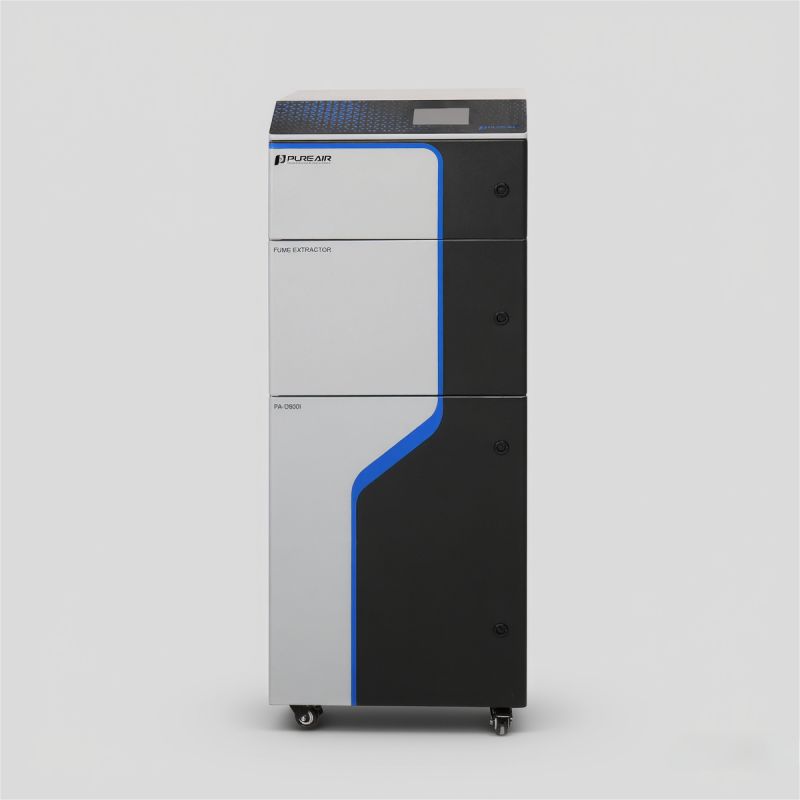
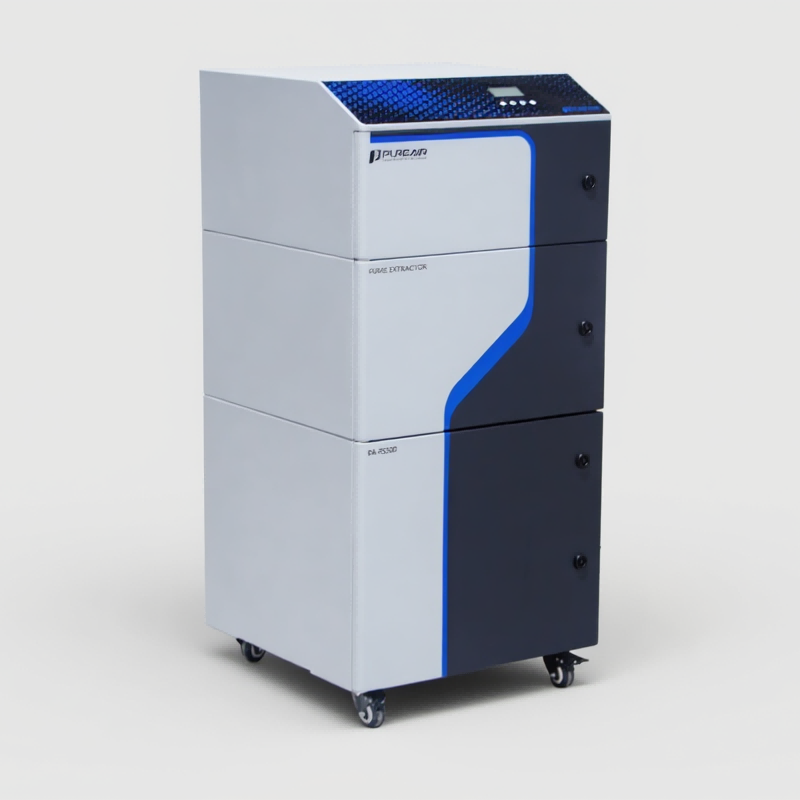
When we think about upgrading vehicle exhaust extraction systems, we should focus on three guiding principles: adaptive capture, intelligent filtration, and measurable performance. Adaptive capture means hoods and arms that can move with the work or sensors that adjust fan speed in real time. Intelligent filtration pairs staged filters (pre-separators plus HEPA or ULPA) with sensors that track pressure drop and particle counts. Measurable performance ties all this together with logging and dashboards so you can prove — to regulators and to your team — that the air is safe.
For example, integrating edge computing nodes near extraction fans lets you run local control loops for pressure and velocity, reducing latency and filtering only when you need it. That lowers energy bills and extends filter life. You still need robust power converters for variable-speed fans, but when they’re part of a system designed to talk to sensors, everything hums along better. — funny how that works, right?
What’s Next for Shop Floors?
I see three practical steps teams can take now. One: run a capture survey during peak production and again during changeovers. Two: pilot a smart hood or movable arm on one cell, instrument it, and record results (particle counts, energy use, downtime). Three: compare systems on metrics that matter — not spec sheets. These actions give you data, not guesses, and allow phased upgrades rather than plant shutdowns. — and yes, you’ll learn more by trying than by theorizing.
To close, here are three firm evaluation metrics I recommend when choosing extraction solutions: 1) capture efficiency at the workface (measured particle reduction at operator breathing zone), 2) operational cost per shift (energy plus consumables like filters), and 3) maintainability (time and skill needed for routine checks). Use those, and you’ll pick systems that protect people and the bottom line. If you want a starting point for products and practical deployment, consider solutions from PURE-AIR.