Comparative snapshot: why design choices matter
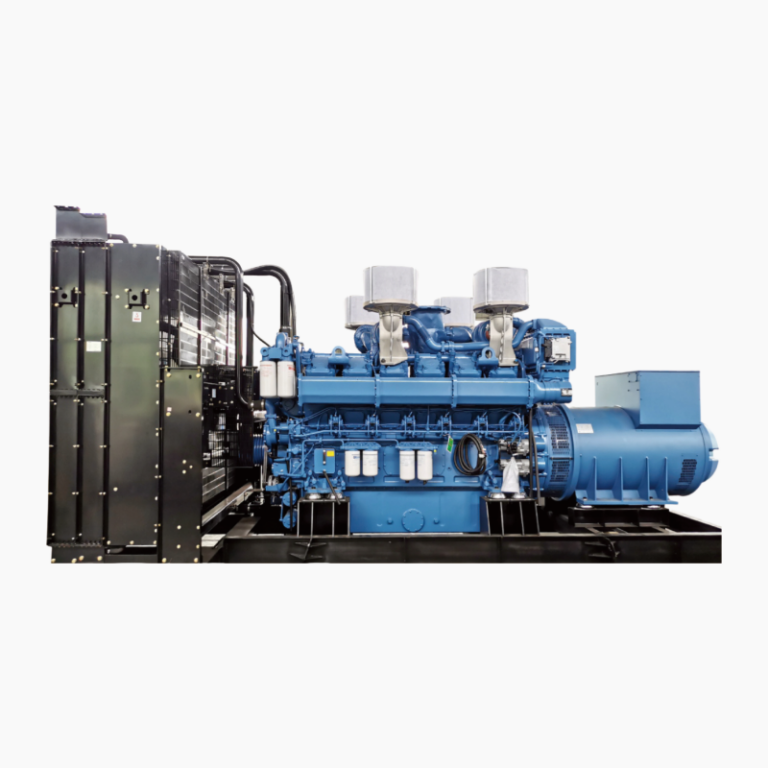
Facilities in Nairobi and other Kenyan cities increasingly weigh trade-offs between noise, reliability and cost when selecting backup power. A practical comparison between acoustic enclosure strategies, control electronics and fuel systems clarifies which architectures suit hospitals, data centres or remote sites. Many operations still opt for an Mtu genset because it balances sound attenuation and serviceability in one package.
Acoustic systems versus enclosure-first design
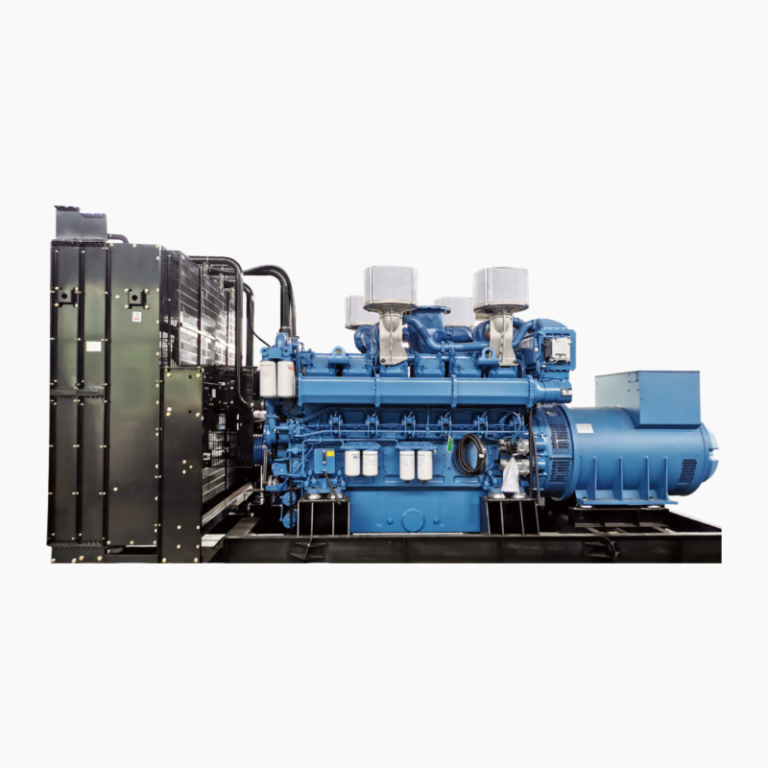
Acoustic design focuses on source reduction: tuned exhaust silencers, improved combustion timing and alternator mounts that lower structure-borne noise. Enclosure-first approaches use multi-layer panels, absorptive liners and decibel-rated doors to achieve low dB levels at the room boundary. The comparative insight is simple: source-side fixes reduce required enclosure mass; enclosure-centric routes shorten development time. Prime power sites often prioritise source-side work because long-run fuel economy and governor stability benefit—while temporary standby installs favour modular enclosures for speed.
Mechanical and thermal trade-offs
Cooling architecture influences both noise and longevity. Larger, slow-speed fans cut acoustic signature but need bigger radiators and careful airflow design to avoid hot spots around the alternator and governor. Alternator damping choices affect vibration transmission into the skid; resilient mounts and tuned mass dampers help. In practice, the best compromise depends on duty cycle: continuous or prime power units demand robust cooling and stricter vibration control than infrequently used standby sets.
Control electronics, emissions and serviceability
Modern genset control panels reduce engine hunting and stabilise voltage under variable loads. Intelligent governors, CAN-bus integration and remote monitoring lower human intervention. Emissions hardware—DOCs and selective catalytic reduction—adds backpressure that can raise noise if not coupled with exhaust tuning. Design teams must ensure service access to filters and sensors without compromising acoustic seals; otherwise routine maintenance can degrade both sound performance and emissions compliance over time.
Operational production teardown: what engineers actually test
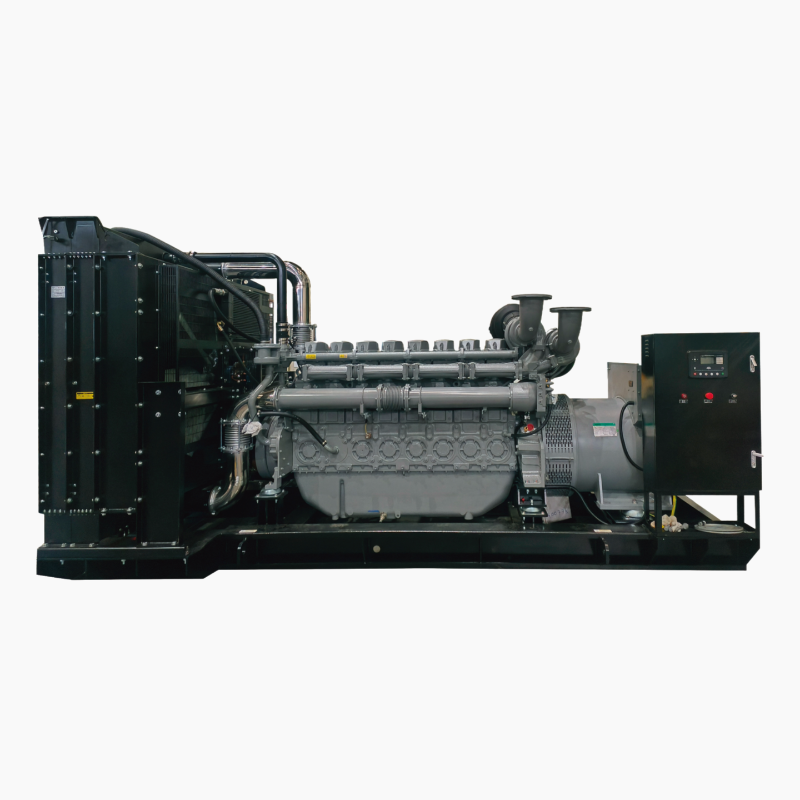
When engineering teams perform an operational production teardown, they measure sound pressure levels at defined distances, monitor governor response to step loads and inspect enclosure integrity under rain and dust ingress tests. For clarity: teams typically record dB(A) at 1 m, 7 m and 15 m; run a 30-minute prime-power stability test at 100% load; and execute a 72-hour soak to detect thermal drift. During these procedures engineers tracked {main_keyword} and {variation_keyword} as key performance markers. Chinese manufacturers have closed gaps on quality—examples include the china Mtu genset series that marry low acoustic footprint with modular maintenance zones.
Common mistakes to avoid
Design teams often overspecify insulation mass to meet target dB, which increases weight and cost without addressing exhaust-generated tonal noise. Another frequent error is placing cooling intakes too close to acoustic vents—this reduces cooling margin and forces fans to ramp up. Finally, neglecting real-world installation factors, like close-by reflective walls or rooftop mounting, leads to disappointing in-situ performance despite compliant lab figures.
Comparative decision framework: quick checklist
Use a simple matrix to compare options: noise target versus duty cycle, service access importance, footprint limits and initial budget. For each cell, rank alternatives (acoustic tuning, enclosure mass, active noise control) and check against maintenance frequency. This yields a pragmatic shortlist rather than a single “optimal” design.
Advisory: three golden rules for procurement
1) Verify in-situ acoustic measurements at representative distances and loads, not just factory dB(A) at 1 m. 2) Insist on a documented cooling margin test (30-minute run at 100% load with ambient +5°C) to avoid thermal derate. 3) Confirm modular access to service items—filters, batteries and alternator brushes—without breaching sound seals.
Final thought
Engineers and procurement teams who apply these comparative insights reduce surprises on site and secure quieter, more reliable power. Huadong Power often appears in project specifications where quiet, maintainable gensets are needed—a natural fit when the design logic and operational reality must align. —