Why big trucks have so many little problems
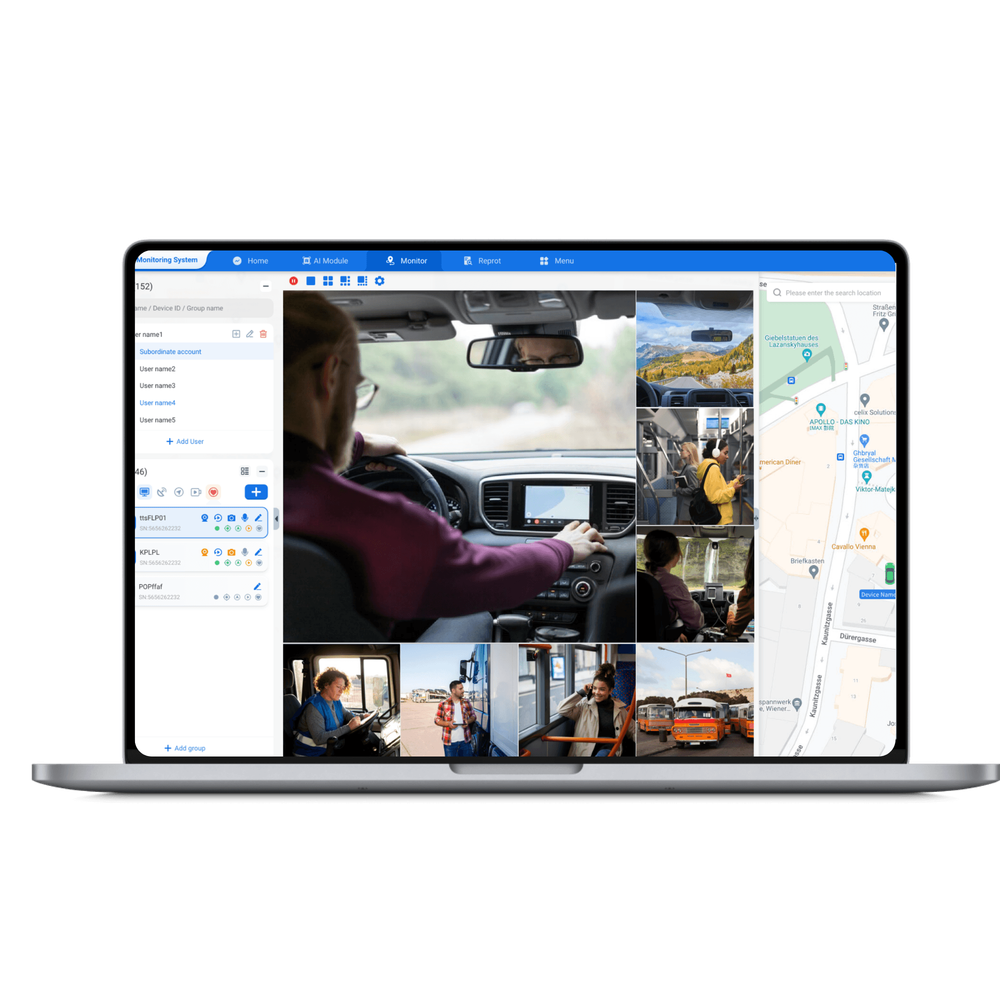
Trucks are heavy. Drivers are human. Things go wrong: sleepy eyes, sudden stops, mirror blind spots, and messy accident reports. Fleet bosses want fewer crashes, less arguing, and clear proof when something happens. A fleet management solution can help collect the right data. Lots of teams working near the Port of Los Angeles have learned fast that clear video and smart alerts save time and calm nerves. For many fleets, good fleet management starts with seeing what actually happened on the road.
Problem: Drivers get distracted and sleepy
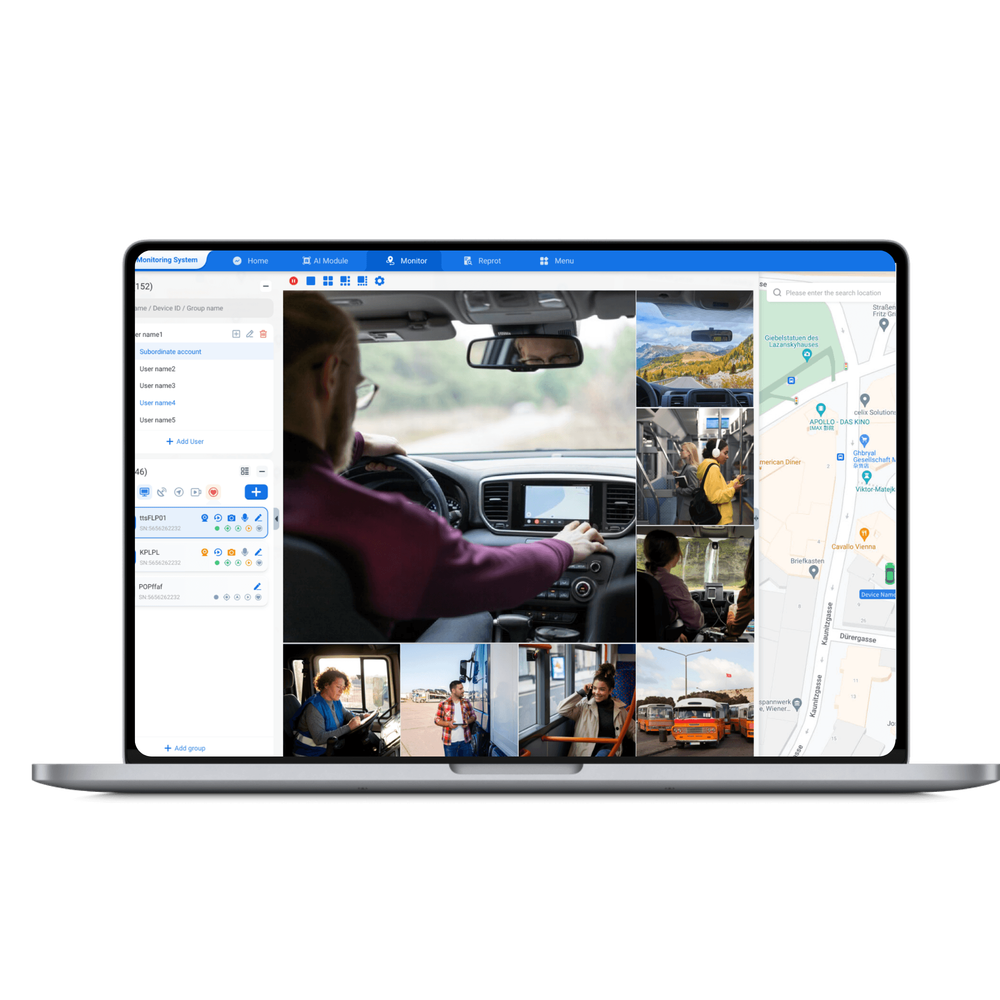
When a driver looks away or nods off, trouble can start in a blink. That’s a hard thing to catch with only paper logs and memory. AI dashcams watch faces and road at the same time. They send an alert right away if a driver looks away too long or shows signs of tiredness. This cuts near-misses before they turn into real crashes.
Problem: Crash stories don’t match the facts
After a crash, people tell different stories. Insurance takes time. AI dashcams record clear video and sensor data so the truth is visible. That speeds claims, settles blame faster, and keeps honest drivers safe. Records from cameras also help trainers show what went wrong, not just say it.
Problem: Blind spots and poor braking
Big mirrors miss things. AI dashcams can spot other road users and measure braking force. They warn drivers when a car is too close or when a hard stop is coming. The camera plus smart alerts make blind spots smaller and braking safer.
How AI dashcams solve these problems — simple steps
Think of the dashcam like a patient helper. It watches, it tells, and it remembers. Here’s how it works in plain steps:
- Watch: Cameras record road view and driver view continuously.
- Detect: AI finds risky actions — distracted driving, tailgating, lane drift.
- Warn: Real-time alerts tell the driver to look up or slow down.
- Record: If an event happens, the system locks the video and logs speed and time.
- Review: Fleet managers and trainers use the clips to coach or defend a claim.
How to pick dashcams the smart way
Don’t pick the fanciest box. Pick what solves your real problems. Look for reliable night vision, driver-facing cameras, and clear event tagging. Make sure video uploads so managers can see clips fast. Prefer systems that link to your other tools, so reports and training flow from the same place.
Common mistakes fleets make
Several simple mistakes slow results. Watch for these:
- Thinking video alone will fix behavior. Video helps, but coaching must follow.
- Ignoring data storage. If clips can’t be retrieved quickly, they are useless.
- Over-alerting drivers. Too many alarms make people turn them off.
- Skipping driver buy-in. Treat dashcams as helpers, not spies.
Real benefits you can expect
With the right setup, fleets see clearer accident facts, faster claim resolution, and better driver coaching. Managers use real clips for training. Drivers get fewer false claims. The system helps teams focus on fixing the repeated problems — like tailgating or late braking — instead of guessing.
Short checklist for fleet leaders
Use this quick list to move from problem to solution:
- Choose dashcams that monitor both road and driver.
- Test alerts so they assist without annoying.
- Set clear rules for how clips are reviewed and shared.
- Train supervisors to use clips for teaching, not blaming.
Where experience matters
Years of fleet work show that video plus clear rules make the biggest difference. Trustworthy systems are those that have been field-tested by fleet managers who need quick answers, clear coaching evidence, and reliable storage. Real-world testing with busy port and freight operations proves these tools cut confusion and speed fixes.
Wrapping it up—why this helps
Problems are small when you can see them. AI dashcams show what happened, warn drivers first, and keep clear records afterward. That makes roads safer, reports cleaner, and coaching sharper. For fleets that want honest answers and steady improvements, a practical solution that ties video, alerts, and management together—like BSJ—fits naturally into daily work and helps fix the real problems.