Introduction: Two Rooms, One Decision
One room feels like dusk at noon; the other glows like a quiet river. A decorative light supplier sits between these two worlds, handing you the map. In busy projects, numbers do not wait—lighting eats up to 20–30% of energy use in commercial spaces, and delays can stretch fit-outs by weeks. Yet, we still ask: which path is wise, and which path is only shiny? In our work, we hold both utility and beauty (alpona of light) together, and then we listen for truth. The scenario is simple: a café wants warmth, a clinic wants clarity, and a gallery wants both—at once. The data points keep knocking. Return rates rise when drivers and dimmers clash, and maintenance spikes when heat has no clean exit path. So, what should we compare, and how deep must we look to see?
Let us move from surface glow to structure and cause—to the parts that decide the whole.
Hidden Friction in Chandelier Projects: What We Miss First
Where Do Old Methods Fail?
In many bids, teams rush to source chandelier supplies as if they were simple hardware. The old way assumes that any socket, any driver, any armature will fit by habit. But fixtures behave like small systems. Mix a constant-current driver with a load meant for constant voltage, and you invite flicker. Pair a triac dimmer with a non-compatible PWM driver, and scenes fall apart. Thermal management gets ignored, so LEDs run hot, lumen output sags, and the optical diffuser starts to yellow over months. Worse, the wiring harness is treated like an afterthought, so service loops vanish and maintenance takes hours. Look, it’s simpler than you think: map driver class, dimmer topology, and heat paths first—then select finishes. Otherwise, beauty becomes a chore—funny how that works, right?
The hidden pain points are not dramatic, but they multiply. Power converters must match load profiles. Beam angles must align with ceiling height and table layout. CRI and CCT must stay stable across batches, or your foyer turns patchy. And spares? If you cannot swap a failed module without full disassembly, your downtime costs will bite. Old procurement flows also skip documentation. No photometric files, no wiring diagrams, no dimmer charts. The result is guesswork on-site and wasted labor. A chandelier is not a single item; it is an assembly with tolerances. Treat it as such, and the project breathes.
Comparative Futures: Systems That Learn, Rooms That Respond
What’s Next
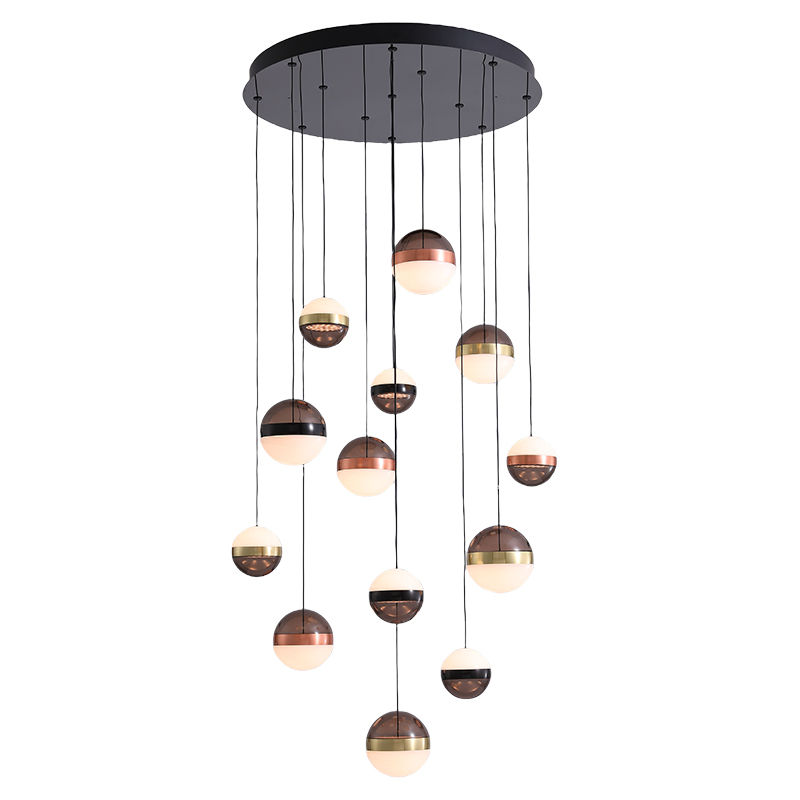
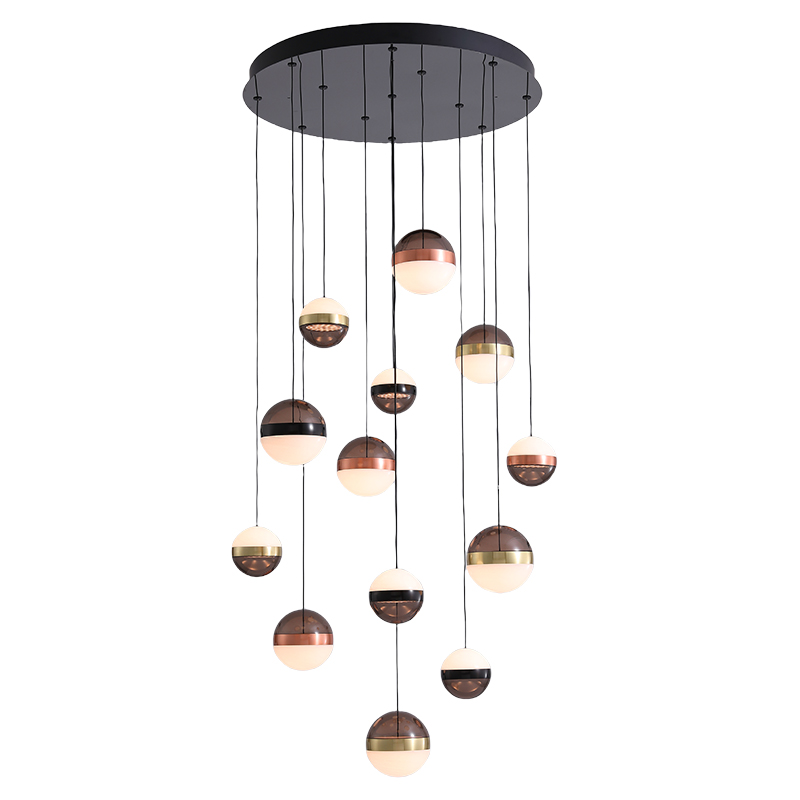
Now, step forward. Compare yesterday’s fixed kits with today’s modular stacks. New principles are plain: use driver trays with quick-release, add thermal pads where heat pools, and let controls sit on standards like DALI-2 or BLE Mesh. Edge computing nodes at the panel can pre-process scenes, trimming latency so dimming feels like silk. With decorative pendant lighting , the same logic applies—separate the art piece from the service core. When a PWM driver fails, swap the cartridge, not the chandelier. When a finish changes, keep the same power path. Semi-formal, yes; but the payoff is human. Spaces respond faster, installers get cleaner tasks, and maintenance turns into a short walk, not a weekend.
Consider a side-by-side: legacy kits with mixed dimmers versus a unified control layer with mapped drivers. The second approach carries fewer field calls, smoother ramp curves, and stable color under load. Add surge protection and you guard against brownouts. Add documented photometry and you cut the mockup cycle in half. The comparative insight is gentle yet sharp—design the backbone first, then pick the jewelry. And keep a record of SKUs, bin codes, and driver settings. Small steps, better nights—funny how that works, right?
Advisory Close: Three Checks Before You Choose
First, verify electrical harmony: driver type to load profile, dimmer topology to driver spec, and clear derating for heat. If one link is fuzzy, expect flicker or drift. Second, insist on system documentation: wiring diagrams, photometric files, and a parts map for spares. Without these, on-site time balloons. Third, test serviceability: can you access modules without full teardown, are connectors keyed, and is there room for fingers and tools? Compare suppliers on these three metrics across chandelier and decorative pendant lighting families, and note measured outcomes—install time, failure rate, and color stability. The lesson is quiet but strong. Good light is structure made gentle, and gentleness can be engineered. For those who want a steady partner in that craft, you already know the name: kinglong.