Introduction
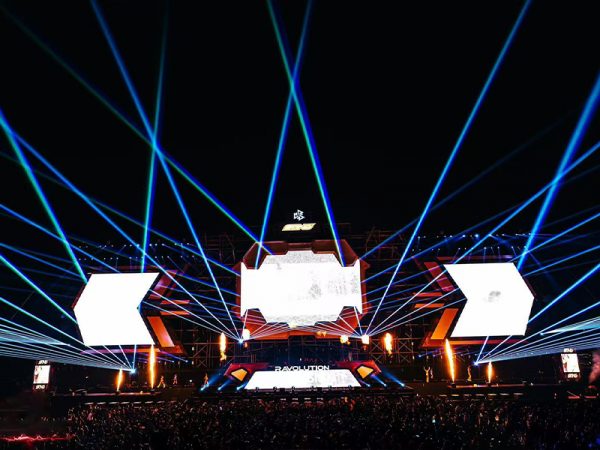
In a packed arena, light is more than art; it is a balance-sheet lever with real cash flow impact. A laser light manufacturer now sits at the point where design meets finance, and timing meets safety. Tours chase 18% power savings while trying to hold audience wow, yet edge computing nodes still fight latency and jitter. Look, it’s simpler than you think: tiny delays stack up, and then cue lines slip. On a 120‑meter rig, a half‑second mismatch is visible and expensive. Power converters heat up. Galvanometer scanners drift if thermal control lags. Are we running a real-time system—or a museum piece?

The traditional stack was built for stability, not speed. DMX512 lines are long, beam divergence grows with distance, and maintenance windows eat margin. The truth is quiet but clear (and a little inconvenient): legacy choices slow down shows and tie up capital. The question is not just “Can it light?” but “Can it sync, scale, and pay back?” Let’s move from symptoms to sources—then to the options that change the math.
Traditional Solutions: Where the Light Leaks
Hidden bottlenecks?
Legacy rigs split responsibility across vendors, protocols, and schedules. That spreads risk—and hides it. DMX512 chains add latency as universes stack, so timing slips when you need snap. Beam divergence forces higher output just to hold crisp aerials, which pushes thermal management harder and shortens component life. Galvanometer scanners can wander when heat builds, so you over‑service fixtures “just in case.” Spare parts lead times stretch, IP ratings vary by zone, and crews hedge with extra inventory—funny how that works, right? Each workaround looks small; the total isn’t. Uptime SLAs wobble. Cue precision suffers. And crews pay with labor, not just watts. The result is a budget that looks fine on paper but bleeds on show day— and yes, it adds up. The deeper flaw is architectural: control and safety sit far from the beam path, while diagnostics sit far from decision‑makers. That gap turns simple cues into high‑risk moments under pressure.
From Fixtures to Systems: New Technology Principles
What’s Next
Fixing the leak means rethinking the system, not just the head. New platforms put intelligence near the optics. Edge controllers sit beside the scanners, sync to network time, and close control loops in milliseconds. Instead of pushing long DMX512 runs, they use time‑aware IP transport (think sACN with tight jitter control) and pre‑validated safety interlocks that fail dark. Thermal control becomes predictive, not reactive, so heat never gets to nudge a mirror. Modular power converters swap fast, and firmware goes OTA with rollback—no midnight panic. Compared with a piecemeal upgrade, this system view cuts jitter, lowers wear, and keeps output sharp without brute‑force watts. It also turns logs into decisions: faults correlate to position, cue, and temperature in real time, not in a post‑show autopsy.
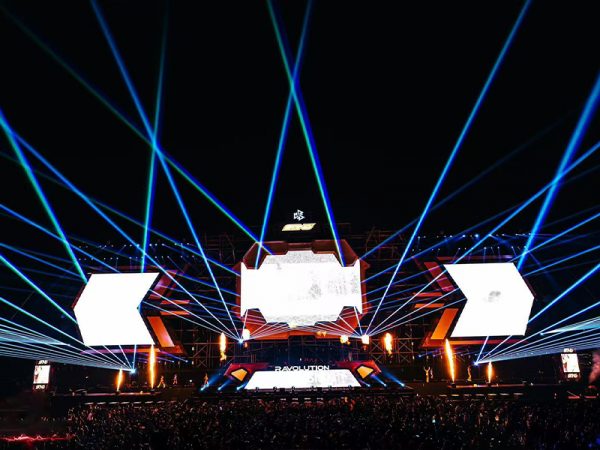
Procurement patterns will shift too. Smart buyers won’t just price fixtures; they’ll compare platforms across lifecycle data. The best laser lights suppliers already expose health metrics, beam path analytics, and safety states through dashboards crews can trust. That changes how you crew, plan spares, and pace rehearsals. In short, you buy fewer unknowns and more control. And you gain a playbook for arenas and festivals that demand tighter turnarounds. The forward look is pragmatic: fewer protocols, faster loops, cleaner heat maps, and better compliance out of the box. Your rig stays crisp, your cues stay honest, and your budget stops paying for noise.
How to Choose: Three Metrics That Matter
Before you commit, evaluate platforms with the same discipline you use for staging and insurance. First, timing performance: measure end‑to‑end latency and sync jitter at scale, including failover behavior under load. If the rig stays tight when nodes drop, you have real resilience. Second, operating economics: model total cost per show‑hour, not per fixture—include energy, crew time, spares, and the cost of missed cues. Small gains here beat headline lumen numbers. Third, reliability with safety: demand evidence of safe‑state design, interlock response times, and traceable logs tied to each scan head. If diagnostics are clear, decisions get faster. Put these three on a single scorecard, and the winner stands out. The market will reward systems that act like partners, not parts. That’s where the next season’s ROI will come from, quietly and repeatably. For a grounded view of how this thinking plays out in real products and road cases, see Showven Laser.