Introduction
I once watched a small job shop turn a frantic weekend into a calm Monday simply by rearranging their work cells — it felt almost like a small miracle. In that moment I thought about vertical machining center manufacturers and how their choices shape production lines, cost models, and even the pride a machinist takes in a finished part. Data backs it up: shops that modernize with better spindle control and smarter tool management report throughput gains of 15–30% within months (yes, real numbers). So what makes a vertical machine truly different on the floor — and why do some upgrades pay off while others stall? — I ask that because I’ve seen both ends of the spectrum.

We’ll move from the shop-floor scene to the nuts and bolts: controllers, tool changers, maintenance rhythms. I’ll point out where the old thinking still lingers and where a fresh approach wins. Ready? Let’s peel this apart.
Peeling Back the Surface: What’s Really Wrong with Classic Setups
I want to be frank: many shops still hunt for a vertical machining center for sale as if a new nameplate alone will solve throughput or quality issues. In truth, buying hardware without addressing process gaps is like adding a turbocharger to an engine with clogged injectors. The first hidden flaw is poor integration — legacy CNC controllers talk differently to tool libraries and MES systems. The second is mechanical complacency: worn linear guides and inconsistent spindle balance add cycle time and scrap. Look, it’s simpler than you think — but it takes clear choices.
What exactly breaks down?
Let me spell it out technically. First, mismatched tool changer programming causes time loss in every tool change; that adds up. Second, inadequate spindle monitoring hides thermal drift and torque variations until tolerances are out. Third, ignored electrical issues — say, aging power converters — create intermittent faults that mimic operator error. These are subtle. You won’t always see a big alarm. But you will see parts out of spec, longer setups, and higher scrap rates. I’ve sat with teams who blamed operators when the root cause was vibration from a loose bearing — frustrating and avoidable.
So the takeaway here: hardware purchase must come with systems thinking. Fix the controller communications, monitor spindle health, and standardize tool libraries. If you skip that, you’ll buy another machine and repeat the same story — funny how that works, right?
Looking Ahead: Principles and Practical Steps for Smarter Machines
Now let’s look forward. I prefer to frame this as principles rather than prescriptions. First principle: instrument the machine — add real-time spindle sensors and edge computing nodes that give you actionable alerts instead of vague alarms. Second: adopt modular controls so your CNC controller can accept updates and talk to your shop floor systems easily. Third: design for serviceability — modular power converters and accessible tool changers save days during maintenance. When you evaluate a vertical machining center, I recommend thinking in those terms, not just horsepower or table size.
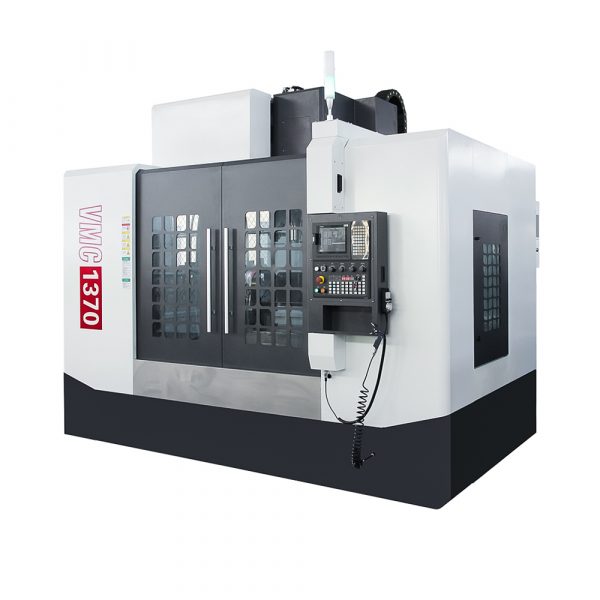
What’s Next for teams who want change?
Practically speaking, start with a small pilot: instrument one cell, collect data for 4–6 weeks, and then iterate. I’ve run pilots where spindle vibration data halved setup time by forcing a simple change in fixture tightening. In another case we introduced a smart tool library and cut manual offsets by 40%. These are real wins. Measure them, and let the metrics guide broader rollouts. — you’ll be surprised how buy-in grows when people see clear gains.
To help you evaluate options, here are three metrics I always use: 1) Effective Cycle Time Reduction — the percentage drop in average cycle time after upgrades. 2) First-Pass Yield Improvement — the increase in parts that meet spec without rework. 3) Mean Time To Repair (MTTR) — how much faster your team can recover from faults. We weigh these against cost and downtime risk. I’m not promising magic; I’m promising practical steps that work when you commit to them.
Finally, if you want a trusted partner in this, consider a maker who balances engineering depth with service — like Leichman. They know machines, and they know people. We’ve learned that technology without human judgment only gets you halfway there.