Intro: A Stoplight, A Sore Back, and a Big Question
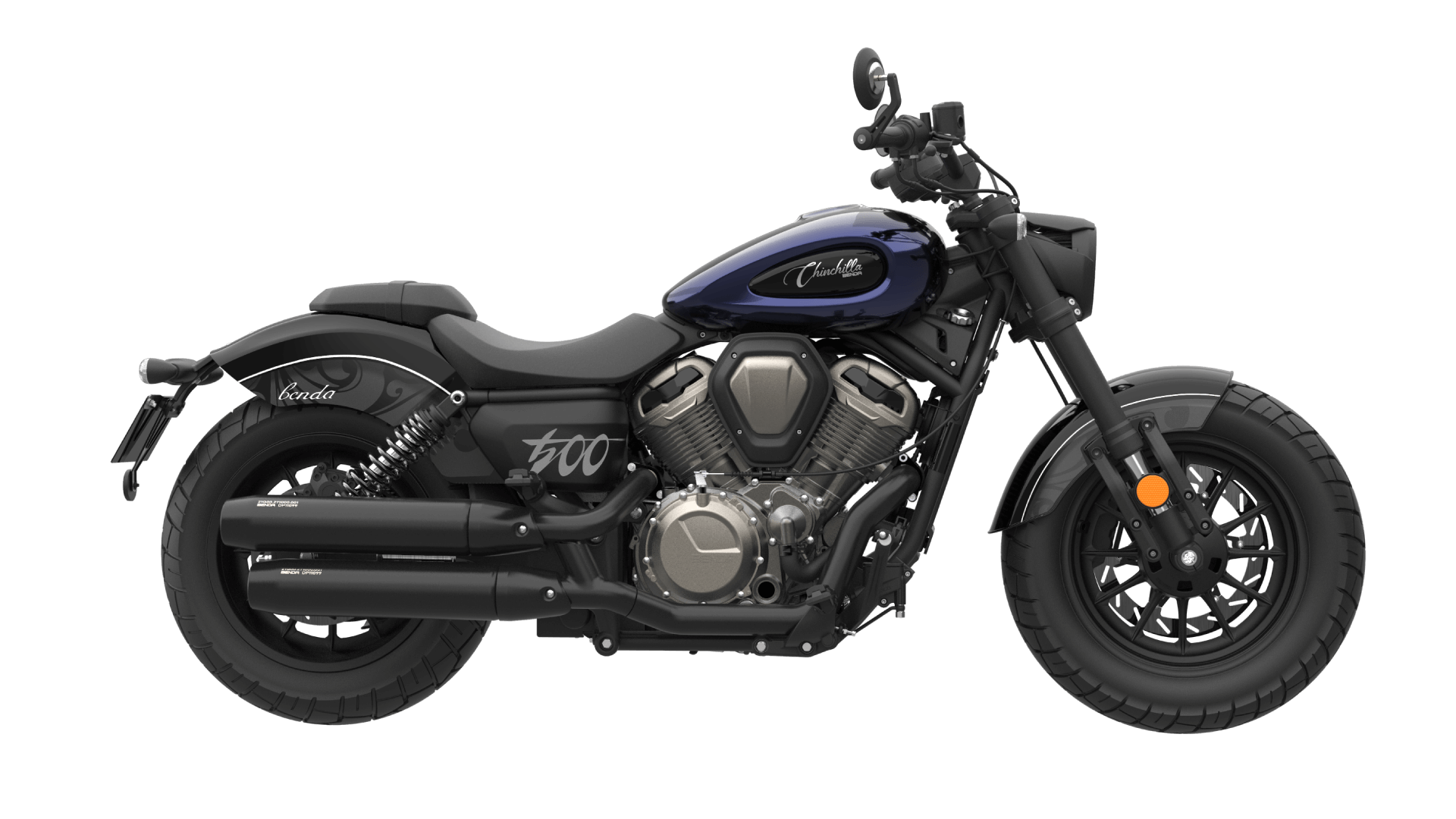
Saturday morning, I rolled up to a long red light with a backpack full of errands and not much patience. A 500cc cruiser was idling next to me, low and calm, sounding like it had all day. Many riders eye 500cc cruiser bikes as the sweet spot—light enough for daily rides, stout enough for highway runs. Across the South, average commutes hover near half an hour, and small highways stretch between towns. That’s where midsize torque and a friendly saddle seem to shine (y’all know those county roads). But here’s the rub: stock seats, weight, and wind can wear you down fast. Numbers say many 500s make about 45–50 hp and weigh around 420–460 lb. The torque curve is often tuned for low rpm, and the ABS module keeps you upright in surprise stops—still, comfort isn’t automatic. So, can this class really deliver both ease and punch without fuss—funny how that works, right? Let’s set the stage, then dig a layer deeper.
The Hidden Pains Behind the Chrome
What’s the real hang-up?
Look, it’s simpler than you think. A lot of trouble starts with fit. Pegs too far forward and a thick bar sweep can twist your hips and wrists. Over an hour, that stacks up. Many midsize cruisers ship with soft foam and a wide tank. It looks cool, but it spreads your knees and shifts your weight. Add in a tall final drive ratio and you’re hunting for the right gear on rolling hills. The result: buzz in your hands and low-speed lugging. A better gear ratio spread, plus a light slipper clutch, smooths that mess. Suspension preload also matters. If it’s off, every bridge seam hits harder than it should.
Heat and vibration sneak in next. Airflow around the pipes can cause heat soak at city speeds. The counterbalancer helps, but big single-pin vibes still creep into the bars. That’s where rubber mounts and a thicker grip turn into real relief. Then the electronics: riders love clean bars, but phone nav and heated gear need power. Without a tidy harness or CAN bus accessory ports, you end up with a messy add-on stack. Engine mapping plays a role, too. Snappy throttle down low can feel fun for a week, then feel jerky in a parking lot. A smoother low-rpm map gives you control without drama. None of this is fancy. It’s the small, boring stuff that fixes long-day fatigue—and that’s the honest truth.

Forward-Looking: How Mid-Size Cruisers Get Smarter, Not Just Bigger
What’s Next
The next step is not more chrome. It’s smarter guts. New throttle-by-wire systems let you pick a calmer map for town and a sharper map for empty lanes. Lightweight frames cut mass where it counts, improving the power-to-weight ratio. Better fork valves reduce brake dive without beating you up. And compact power converters make clean, fused accessory power easy—no rat’s nest. Here’s the kicker: cornering ABS and a simple IMU give you safer stops on sketchy pavement. That’s sport-bike tech toned down for real-world roads. When you compare apples to apples, many 500cc sport bikes sprint harder, but their tight ergonomics get old on slab. A well-sorted 500 cruiser splits the difference—steady cadence, usable torque, and a seat you can live with. Not flashy. Just right. — funny how that works, right?
And there’s a future twist. As helmet comms and phones act like tiny edge hubs, bikes will talk to your gear without fuss. Think simple ride modes, lighter rotors, and better heat shielding that keeps your legs cool at a crawl. Think engine maps that learn a rider’s habits over time (within reason), then smooth the low end. If Part 1 showed where the comfort–performance balance feels shaky, the path forward is clear: trim weight, tune ergonomics, and use smart electronics to take the sting out of daily miles. To wrap it up with something you can use today, here are three checks before you buy: 1) Measure the usable torque band at 2,500–6,000 rpm and see how it matches your roads. 2) Test-fit the cockpit—bar reach, peg drop, and seat tilt—for at least 20 minutes. 3) Confirm the service intervals and parts access, because maintenance workflow is a feature in disguise. Brands evolve, parts change, and good setups get better—keep an eye on BENDA as you weigh the options.