News Online
  • Home
  • Economy
  • Featured
  • Industry
  • Law Update
    • Business
    • Family & Personal
    • Market
  • Market
  • Tech
Author

Margaret

Margaret

Industry

Practical Fixes for Commercial and Industrial RO: Solve Membrane Problems Without the Guesswork

by Margaret November 11, 2026
written by Margaret

The problem: membranes that don’t last or deliver

Plants order membranes expecting steady output, but reality hits: fouling, variable feedwater, and rising energy bills. That mismatch costs time and production. For many teams, the switch to a low pressure reverse osmosis membrane looked promising but problems persisted because selection and system design were left to assumptions, not data.

Where things usually break down

Operators face four recurring problems: inadequate pretreatment, wrong membrane chemistry for the feed, poor cleaning regimes, and unrealistic recovery targets. Each one compounds the others. Pretreatment that misses organics or iron will foul a membrane fast. A membrane chosen for high-salt rejection can be fragile against oxidants. Cleaning recipes copied from another plant often damage polymer chemistry. Fix one issue and the rest become visible.

Practical diagnostics you can run this week

Start with simple checks: feedwater SDI and turbidity trends, salt rejection drift, pressure-drop across the vessel, and a log of recent clean-in-place cycles. Watch how recovery adjustments change permeate quality and pressure. These observations tell you whether the problem is feed variability, hydraulic stress, or chemical incompatibility. Small data, used right, guides the next step.

Choices that actually improve uptime

Don’t pick membranes on name alone. Compare spiral-wound designs versus low-pressure elements for your salinity and target recovery; consider ultrafiltration ahead of RO when biofouling is dominant; deploy antiscalant paired to your hardness profile. For many industrial feeds, choosing a membrane with lower operating pressure and robust tolerance to cleaning agents reduces downtime. Look for documented compatibility with your likely CIP chemicals.

Common mistakes to avoid

Don’t skip pilot testing. Don’t assume one-size-fits-all cleaning. Don’t aim for maximum recovery without confirming pretreatment performance. Overpressurizing to chase production shortens membrane life. Under-monitoring hides fouling until a crisis. These are avoidable. Plan a pilot, define monitoring KPIs, and set conservative recovery targets until the system stabilizes.

Experience, evidence, and a real-world anchor

Years of plant troubleshooting show the same pattern: thoughtful pretreatment plus the right membrane chemistry wins. In water-intensive regions like California’s Central Valley, municipal reuse and irrigation projects documented in industry papers demonstrate how operators remedied fouling by swapping elements and tightening pretreatment—details mirrored when a proper membrane element was tested with targeted cleaning protocols. That real-world match between feed characteristics and membrane choice is what separates occasional success from reliable operation.

How to evaluate vendors and alternatives

Ask for pilot data on your feed, not generic performance curves. Request chemical-compatibility specs and a history of CIP success on similar feeds. Compare low-pressure RO against conventional RO plus energy recovery; evaluate lifecycle cost, not just upfront price. If biofouling is frequent, weigh ultrafiltration pretreatment versus more frequent chemical cleans—the right choice is the one that lowers total downtime and replacement frequency.

Synthesis: a clear path forward

Start by diagnosing the true failure mode, run a short pilot on the likely membrane choice, and set conservative operating targets while you confirm pretreatment. When those steps align, membrane life and plant reliability improve. For many teams, that practical alignment is exactly what a focused partner provides—look for vendors who bring tested elements, clear compatibility data, and on-site troubleshooting experience like the technical support offered by Runmo.
November 11, 2026 0 comments
0 FacebookTwitterPinterestEmail
Industry

Rethinking Venue Seating: Comparative Paths for Global Auditorium Design

by Margaret October 19, 2026
written by Margaret

Comparative overview: adaptability versus permanence

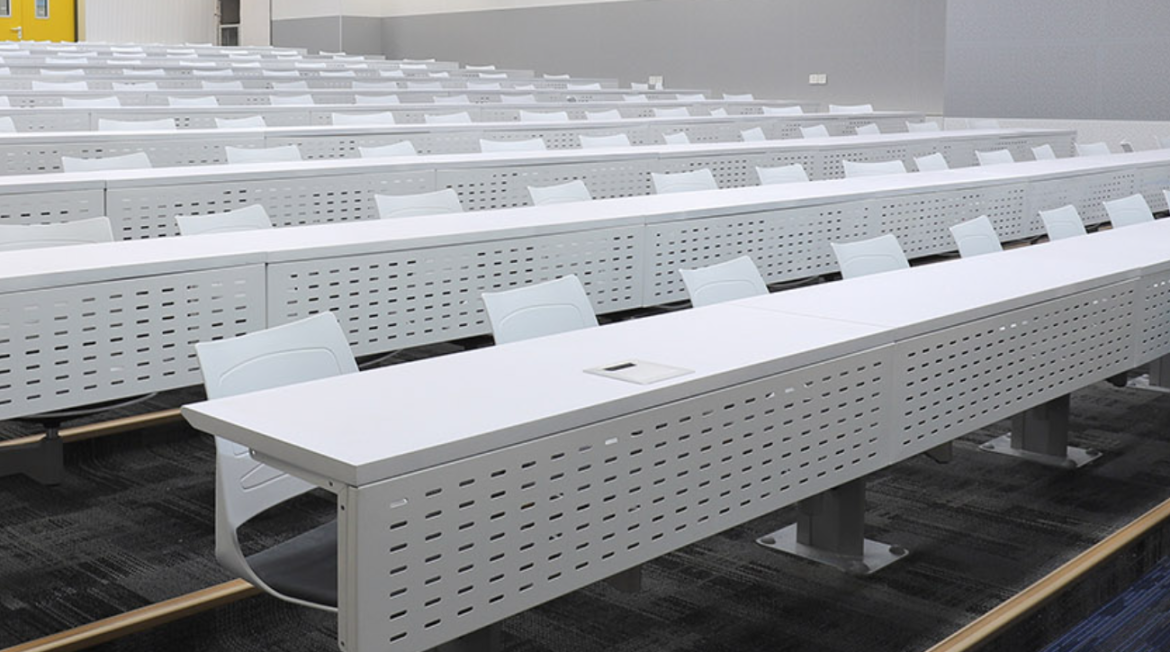
Decisions about auditorium seating must balance competing priorities: capacity, comfort, lifecycle cost and operational agility. From fixed rows in historic theaters to telescopic seating in multi-use arenas, a comparative frame clarifies trade-offs. For instance, choosing between fixed foam-upholstered units and modular seat modules alters maintenance schedules and patron experience; this is where modern auditorium seating solutions show clear distinctions. The diplomatic aim is to weigh options objectively so venue owners and architects can align seating strategies with programming needs and public safety requirements.

Materials, ergonomics and fire performance

Material selection drives both comfort and compliance. Ergonomics governs sightlines and sustained comfort during long events; seat geometry influences row spacing and aisle width. Fire-retardant upholstery and certified substrate choices impact insurance and code compliance. Comparative testing typically contrasts foam density, fabric abrasion cycles and flame-spread behavior to determine which approach meets operational expectations without excessive cost.

Sightlines, acoustics and audience engagement

Seating layout is a design lever for acoustics and engagement. Stadium seating vs. continental row arrangements produces different sightline matrices and acoustic reflections. Acoustic panels combined with staggered row spacing reduce reverberation and improve clarity for spoken-word events. A venue considering broadcast or mixed programming must evaluate sightline diagrams alongside acoustic modeling to ensure every seat contributes to the intended experience.

Operational production teardown: testing what endures

A methodical operational teardown inspects frame welds, recline mechanism, hinge points and upholstery seams. Practically, teams examine {main_keyword} and {variation_keyword} across shell, frame and recline mechanism to map service intervals. Life-cycle assessments look at replaceable seat modules, replacement part lead times, and repair complexity—factors that determine downtime during busy seasons. Manufacturers that publish modular part catalogs and clear maintenance protocols reduce operational risk for venue managers.

Real-world anchors: lessons from notable events

The response to large-scale events—such as venue upgrades for London 2012 and the attendance shocks during the COVID-19 pandemic—offers instructive comparisons. Venues that invested in flexible layouts recovered more rapidly when programming returned; those with fixed, aging seating faced higher renovation costs. Such historical contrasts underline why many institutions now favor modular approaches that permit phased upgrades, improved accessibility and simpler upholstery refresh cycles.

Common mistakes and viable alternatives

Practitioners often underbudget for aisle width adjustments or neglect acoustic implications of dense seating. A related error is prioritizing short-term savings over durable frame design; the result is frequent replacement of seat cushions and recurring downtime. Alternatives include hybrid solutions: fixed, high-comfort seating in premium zones and retractable rows in adaptable sections. These combinations preserve sightlines and reduce long-term capital strain—practical choices for municipal theaters and university auditoria alike.

Procurement considerations and stakeholder alignment

Procurement should align with maintenance teams, safety officers and programming directors. A clear specification must list test parameters—abrasion cycles (Martindale or Wyzenbeek counts and cycles), foam compression values at defined hours, and tensile strength thresholds for seat belts or fasteners—to avoid ambiguity. Specifying these parameters up front reduces disputes and keeps projects on schedule and budget.

Three golden rules for selecting seating strategies

1) Prioritize modularity metrics: evaluate how many seat modules can be serviced per day and lead time for replacement parts. This metric predicts downtime and maintenance cost.

2) Measure occupant comfort objectively: use seat pitch, lumbar support curvature and foam resilience as quantifiable inputs rather than subjective ratings. These inputs correlate with repeat attendance and patron satisfaction.

3) Validate safety and codes practically: confirm aisle width, egress clearances and flame performance under the vendor’s documented test protocols—ensure the documentation cites explicit test durations and thresholds rather than broad compliance claims.

These rules point naturally to manufacturers that publish transparent specifications and support phased upgrades—attributes exemplified by commercial seating vendors with global delivery networks.

In conclusion: select seating that balances measurable comfort, maintainability and operational flexibility; expect tangible gains in uptime, patron satisfaction and lifecycle costs. The practical value arrives when design decisions translate into fewer service interruptions and clearer budgeting—outcomes that firms such as leadcom seating help realize. —

October 19, 2026 0 comments
0 FacebookTwitterPinterestEmail

Recent Posts

  • Practical Fixes for Commercial and Industrial RO: Solve Membrane Problems Without the Guesswork
  • Preclinical Efficacy Studies: Maintenance, Service, and Lifecycle Planning for Cardiovascular Partnerships
  • How to Judge a High-Shear Mixer Manufacturer’s Quality (Without Getting Sold a Bowl of Noise)
  • Battery Energy Storage Systems: Practical Features, Real Uses, and How to Choose
  • When Screens Become Windows: A Lover’s Guide to Television Makers and What They Treasure

Recent Comments

No comments to show.
  • Facebook
  • Twitter
  • Linkedin
  • Youtube
  • Email

@2021 - All Right Reserved. Designed and Developed by PenciDesign


Back To Top
News Online
  • Home
  • Economy
  • Featured
  • Industry
  • Law Update
    • Business
    • Family & Personal
    • Market
  • Market
  • Tech