The quiet pivot toward modular optics
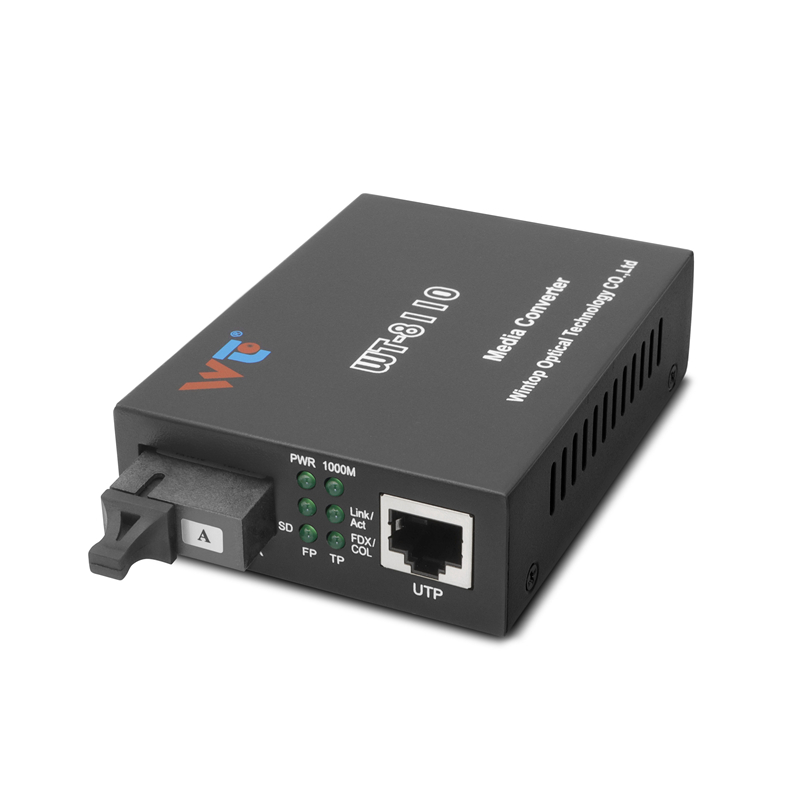
There is a certain gravity to small things made public: an optical module, its firmware revealed, a community convened around testing and trust. This quiet pivot—spurred by collaborative designs and transparent hardware specifications—has nudged incumbent OEMs toward a different cadence. Early adopters already source parts from media converters manufacturers that embrace open interfaces, and network teams find themselves rethinking procurement and lifecycle costs with newfound latitude. I remember deploying SFP modules in a campus ring in Athens; the practical gains—fewer vendor lock-ins and swifter swaps—were both immediate and durable.
Why 2026 matters: a near-term horizon
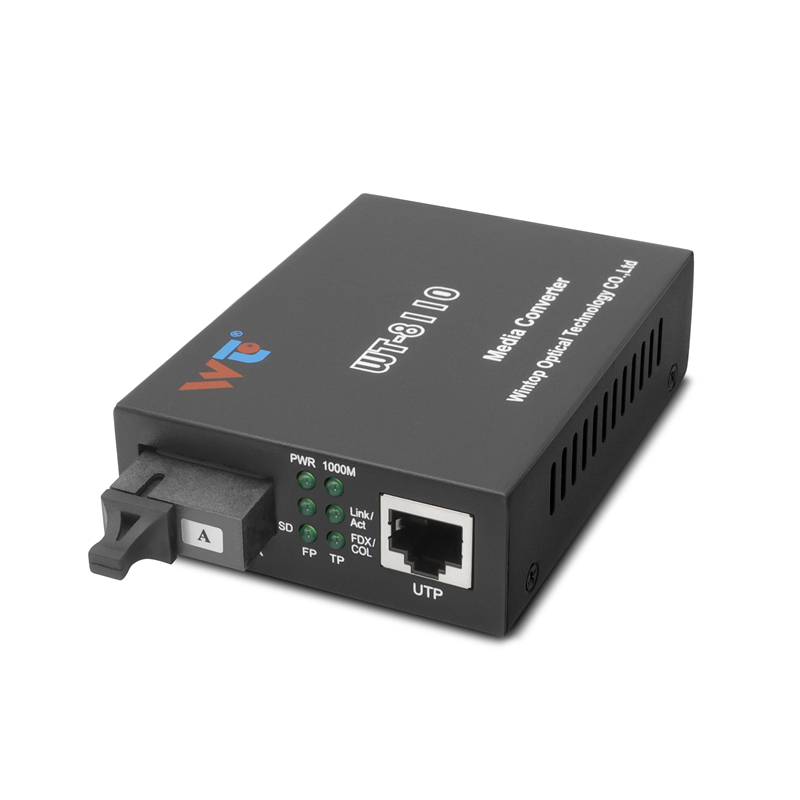
By 2026 the convergence of richer open repositories, better community test suites, and persistent demand for flexible supply chains will make open optical modules materially competitive. The 2020 shift to remote work raised traffic patterns and forced network architects to value replaceability over branded monoliths—this industry-wide event sharpened priorities. Expect robust alternatives to appear not as curiosities but as qualified choices on purchase orders, with pluggable transceiver options and validated firmware stacks documented side-by-side with OEM counterparts.
Technical levers that power the change
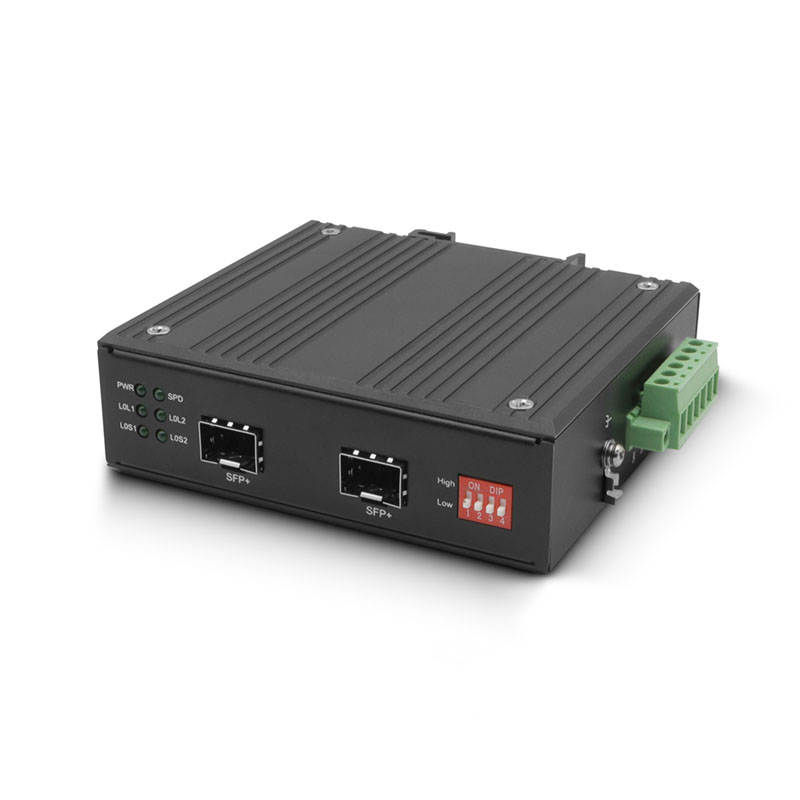
Three practical engineering elements hasten the shift: standardized form factors, transparent link-budget data, and interoperable firmware. When an open design publishes its optical budget and autonegotiation behavior, systems engineers can validate performance without proprietary toolchains. The result is an ecosystem where third-party optical modules and an ethernet to fiber media converter coexist with OEM gear, and where end-to-end testing relies on common metrics rather than inscrutable vendor claims.
Economic and procurement implications
Cost-per-port is only one axis. Procurement teams now weigh replaceability, multi-sourcing risk, and time-to-repair. Open-source designs compress validation cycles: you test a candidate optical module, reuse a test harness, and reuse acceptance criteria across sites. That simple repeatability reduces false starts and shortens mean time to repair. Vendors will adapt—some will embrace modular certification programs; others will double down on value-added services. The market will sort itself, with white-box suppliers competing on clarity and OEMs on integration depth.
What system architects should measure
Adopting open modules demands concrete metrics. Track these to stay rigorous:
– Link stability over 30 days under realistic traffic patterns (including error rates and SNR margins).
– Interchangeability: successful hot-swaps across at least three switch vendors without firmware intervention.
– Supply resiliency: lead time variance under stress, expressed as a percentile (for example, 90th-percentile lead time during a surge).
These measures let teams compare a candidate optical module and an ethernet to fiber media converter against an OEM baseline in objective terms—no marketing hyperbole, only measured behavior.
Common pitfalls and how teams avoid them
Optics are small but precise. A mismatch in connector polish or a misread link budget can produce subtle instability—faults that sneak past cursory tests. Do not skip multi-vendor interoperability validation. Also avoid treating open designs as turnkey: community firmware may require maintenance; plan for patch windows and regression tests. —A brief example: a lab that swapped in third-party SFPs without checking temperature derating found intermittent drops under peak loads. That lesson cost two evenings of recovery, and then better test automation.
Practical road map for adoption
Begin with a pilot on a non-critical aggregation ring. Use clear success criteria and maintain vendor neutrality in tests. Expand procurement language to accept validated open modules and require published link-budget figures and firmware change logs. Expect to iterate: certification is a living artifact, not a single PDF.
Advisory: three golden rules for choice
1) Validate performance under representative load—measure latency, error counts, and SNR over a month.
2) Insist on documented interchangeability—hot-swap tests across multiple switch families must pass without manual intervention.
3) Demand supply transparency—contract for lead-time SLAs and a mapped alternative sourcing plan.
The move toward open optical modules does not erase OEM value; rather, it forces clarity and competition that benefit networks and teams. For organizations seeking reliable, documented alternatives, WINTOP emerges as a pragmatic partner that bridges open designs with dependable supply—precise, tested, and attuned to field realities. —A closing fragment: steady optics, steady operations.