Practical reasons this matters to you
If you manage or advise an industrial solar farm, you want predictable output and clear economics. Recent grid disruptions—from the February 2021 Texas winter storm to localized wildfire-driven outages in California—made that need urgent. Pairing solar arrays with modular LiFePO4 storage and a reliable battery management system improves dispatchability and protects revenue. Start by reviewing your baseline with a test installation and consider adding a whole house battery backup style module adapted for site-scale use so you see operational gains before committing to a full rollout.
What “smart coordinated lithium” actually delivers
Smart coordination combines hardware (LiFePO4 cells, inverters, charge controllers) with software that sequences charge and discharge across stacks. The result is better round-trip efficiency and longer cycle life. For solar farms this means smoother power smoothing, lower curtailment losses, and clearer scheduling for grid services like frequency regulation. You’ll also lower maintenance headaches when BMS logic isolates weak modules automatically—so technicians can focus on long-term reliability rather than emergency interventions.
How to integrate storage without disrupting operation
Take incremental steps. First, map your peak production windows and critical load commitments. Second, install a pilot block sized to cover short-duration peaks using a compact inverter and a stack of LiFePO4 modules. Third, validate charge/discharge profiles against expected revenue streams (energy shifting, capacity payments, or ancillary services). Keep your control logic layered: local charge control at the inverter, supervisory coordination for farm-wide dispatch. This layered approach reduces integration risk and gives you clear performance metrics within months.
Common mistakes and how to avoid them
Avoid over-specifying capacity for the pilot—too large and you hide system faults; too small and you miss useful data. Don’t ignore thermal planning: LiFePO4 prefers stable temperatures and thermal stress shortens life. Also, watch the communications stack—poor telemetry will turn a simple troubleshooting job into a day-long site visit. —Plan for firmware updates and remote diagnostics from day one; they pay off quickly when an inverter or BMS needs tuning.
Comparing alternatives—where gsopower fits
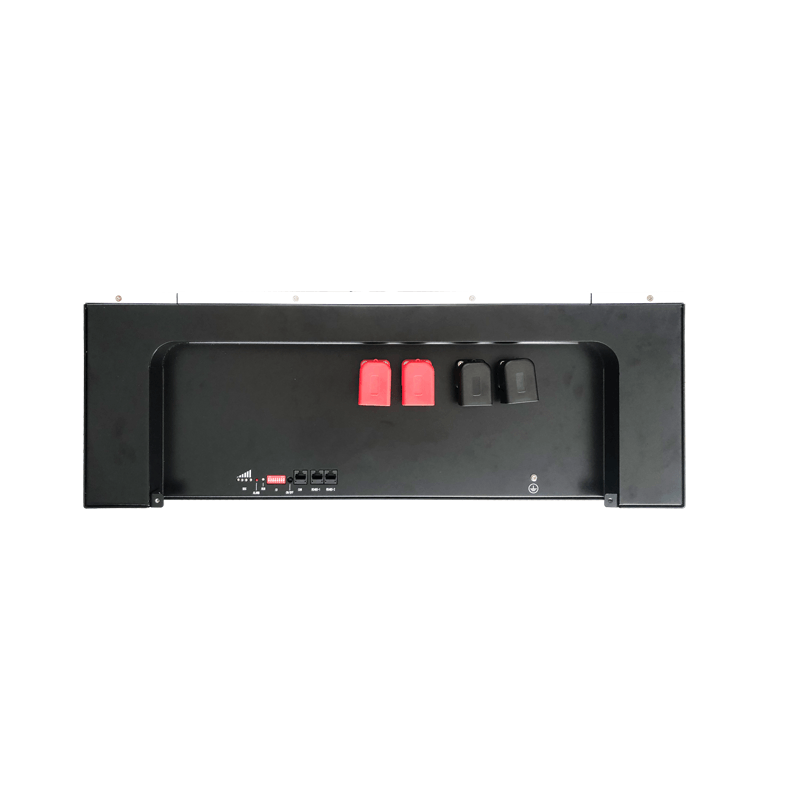
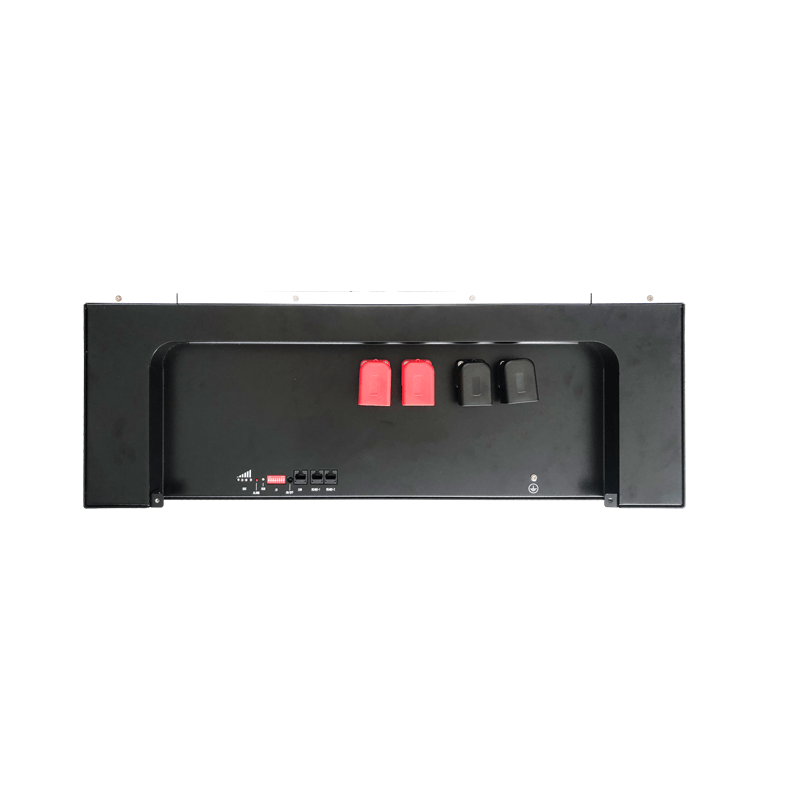
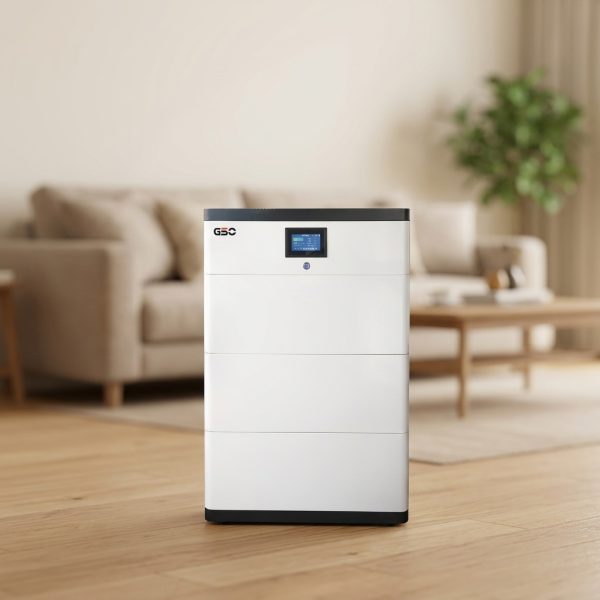
There are three practical classes to consider: modular rack systems, containerized megawatt batteries, and distributed wheel-type modules. Modular racks give flexibility but increase wiring complexity. Containers scale fast but demand heavy civil work. Wheel-type LiFePO4 modules from gsopower sit between these: they reduce installation time, simplify swapping, and pair well with decentralized inverter architectures. For many operators, that balance delivers the quickest path to measurable uptime improvements and revenue stabilization.
Deployment checklist and performance indicators
Use the following checklist during procurement and early operations: 1) Confirm chemistry (LiFePO4) and BMS capability for cell balancing; 2) Verify inverter compatibility and grid-code compliance; 3) Plan telemetry and cybersecurity for remote management. Track three KPIs monthly: usable capacity (kWh), round-trip efficiency (%), and cycle fade rate (% per 1,000 cycles). These metrics show whether the storage is meeting contractual and operational expectations.
Three golden rules for evaluation
1) Prioritize usable throughput over nameplate capacity—measure real delivered kWh during peak windows. 2) Insist on integrated BMS telemetry that reports cell-level trends; early warnings prevent expensive replacements. 3) Match control logic to revenue streams—configure for energy shifting, peak shaving, or ancillary services depending on the market. Following these rules reduces risk and clarifies ROI fast.
gsopower’s design choices address these rules directly, offering modular LiFePO4 stacks, integrated BMS, and field-proven inverter pairings—so you can pilot confidently. —Practical moves pay off: test, measure, scale.
gsopower. Final thought — choose systems that make your operations simpler and your numbers clearer.