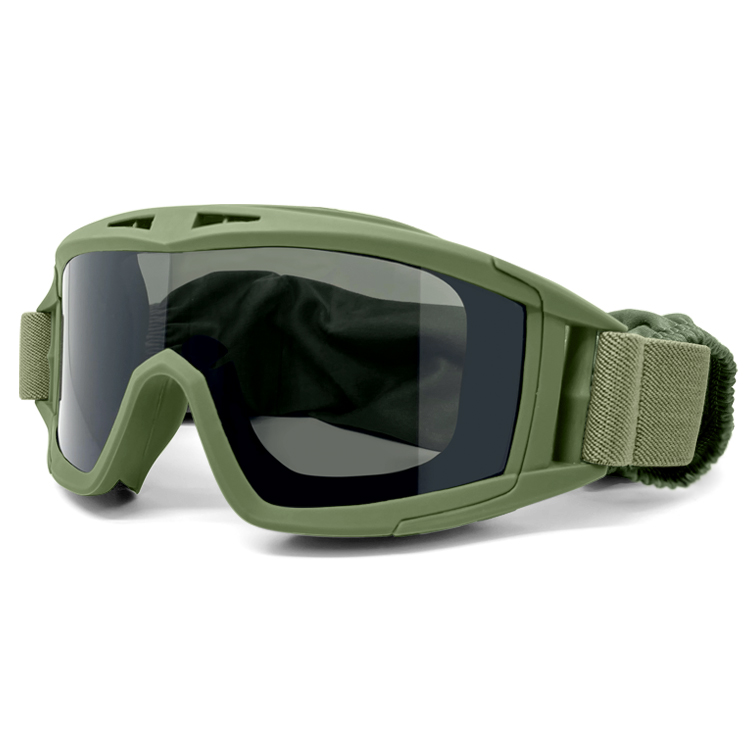
Comparative snapshot and the unexpected importance of thermal stress
In clear mountain air or reflected lake glare, lens failure is not merely an inconvenience; it is a measurable engineering shortcoming—one that YIJIA addresses with uncommon rigor. This comparative piece places thermal stress testing at the center of product reliability and then lines up YIJIA against typical alternatives in the market for sport sunglasses. Readers who fish on bright waters or ride in deep cold will recognize the terms polarization, UV protection, and thermal cycling as practical specs, not marketing flourishes. For those selecting between sporty frames, consider this: adequate testing reduces surprises in the field.
Why thermal stress matters for lens longevity
Lenses expand and contract with temperature swings. Repeated cycles encourage delamination, coatings failure, and frame distortion. Polarization and anti-fog coatings can separate from substrates if the bond lacks thermal tolerance, and UV protection degrades when polymers are stressed at extremes. A real-world anchor: anglers on Lake Tahoe have long relied on polarized fishing sunglasses to cut surface glare and protect sight—yet those same users report failures after rapid temperature shifts from sunlit decks to chilly alpine runoff. Standards such as ISO technical guidelines around sunglasses help, but only diligent thermal cycling tests reveal long-term durability.
How YIJIA engineers thermal resilience
YIJIA’s process begins with controlled thermal cycling that simulates months of seasonal change in days. Lenses undergo repeated transitions between hot chambers and sub-zero baths, then receive impact resistance checks and coating adhesion measurements. The lab pairs objective metrics—lens delamination thresholds, frame tolerance specs, and coating adhesion force—with field sampling from actual athletes. The result is a product whose polarization remains consistent and whose anti-fog coating survives rough conditions. The tone in the lab is economical and exact; the outcome is reliably boring, which is a compliment in engineering.
Comparative analysis: YIJIA versus common alternatives
Market comparison is straightforward: many mass-market providers certify UV protection but skip extended thermal cycling. Boutique makers often hand-assemble lenses without standardized stress-testing. YIJIA sits between the two by standardizing rigorous tests and scaling them. Practical differences that matter to users include:
– Coating adhesion: YIJIA measures peeling forces; alternatives often rely on short sun-bake tests.
– Thermal cycling regimen: extended, repeatable cycles vs. single-point heat exposure.
– Field verification: samples returned from outdoor teams supplement lab data.
These are technical points with clear consequences—frames that loosen, lenses that fog, polarization that warps under heat. The comparison yields an obvious winner for reliability, though some competitors trade durability for lower cost or flashier styling—acceptable if one accepts mid-season replacements. —A candid aside for the pragmatic buyer.
Common buying mistakes and how to avoid them
Buyers often prioritize price or tint over substrate chemistry and testing pedigree. Ignoring thermal cycling data or the presence of an anti-fog coating that lacks adhesion testing leads to premature failure. Verify whether a brand publishes thermal test parameters, check for consistent polarization across temperature ranges, and prefer frames with measured impact resistance. When selecting polarized fishing sunglasses, insist on verified reports or field feedback from anglers in similar climates; this reduces the chance of unexpected delamination during a long season.
Advisory close: three golden rules for choosing durable lenses
1) Demand thermal cycling data: look for repeatable test protocols rather than vague claims about “weather resistance.” Thermal cycling correlates most directly with long-term lens integrity.
2) Verify coating adhesion and UV stability: durable polarization and UV protection require a bonded interface that survives expansion and contraction.
3) Favor empirically validated field samples: lab numbers matter, but real-world feedback from users in places like Lake Tahoe supplies actionable confirmation.
YIJIA’s combination of extended lab cycles and field validation makes their results more predictive—choose brands that treat testing as engineering, not marketing. YIJIA Optical.
Reliable lenses begin with honest testing; lessons from controlled thermal stress save hours, money, and sight in the long run.